International

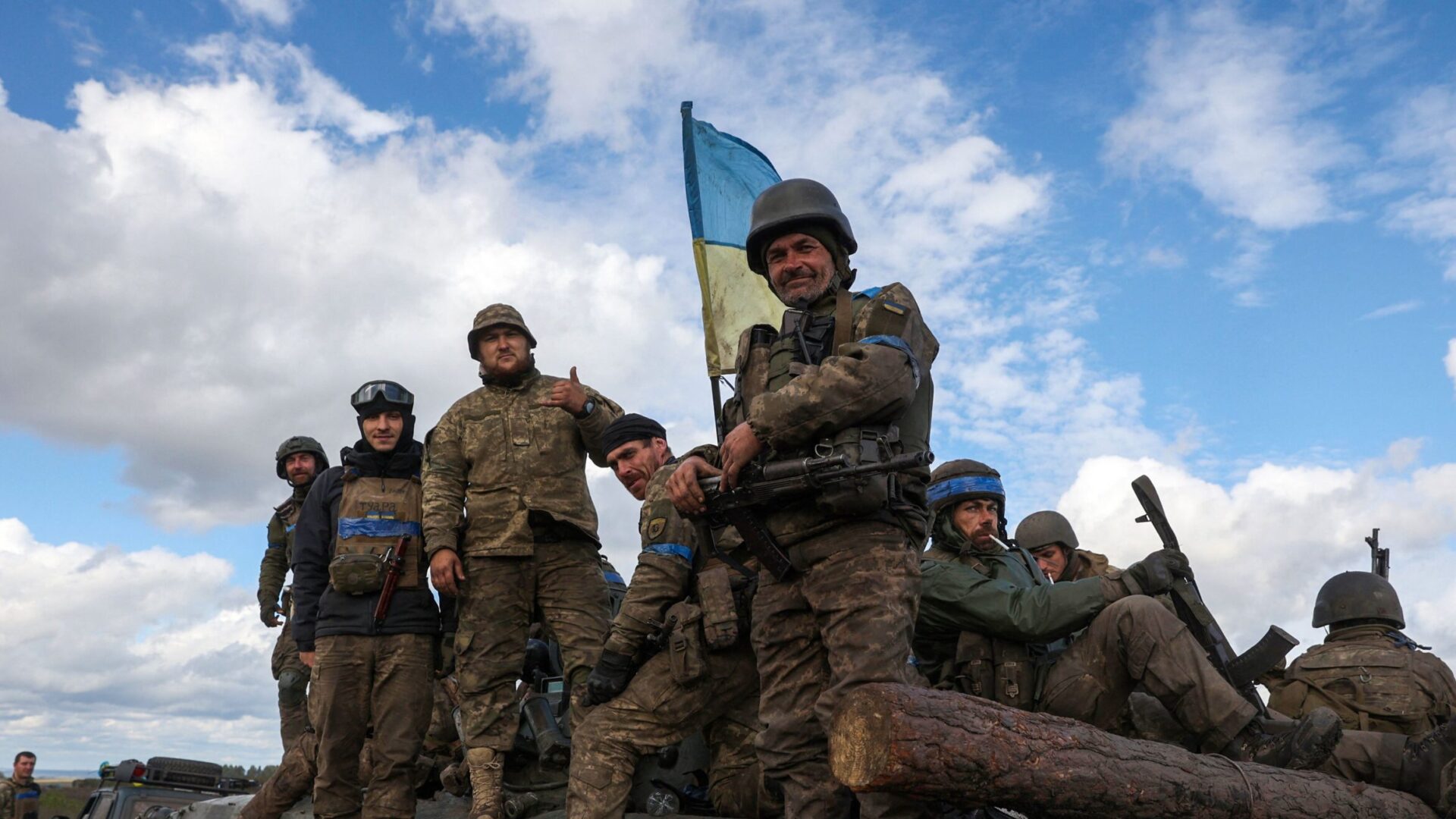
Four years on, Russia’s war in Ukraine has transformed conflict and shattered global security

Four Years On: Russia’s Ukraine War & Global Security Transformation

After four years of relentless conflict, Ukraine’s war has transformed far more than its own borders. From the mechanics of modern combat to the foundations of global alliances, the repercussions now stretch across continents.What started as a sweeping invasion has shifted into a drawn‑out confrontation that is reshaping military strategy, diplomatic relations and global power dynamics. For Ukraine, staying alive has required relentless adaptation under relentless attack. For Europe, the conflict has revealed weaknesses that years of relative calm had kept hidden. For the United States and other international players, it has triggered a reevaluation of obligations once seen as…

Read More
Trump the ‘demolition’ man of world order, European security experts warn

European Experts Warn: Trump’s Threat to Global Security

The international framework that has supported decades of relative stability is under growing strain, with a new global security assessment cautioning that forceful political upheaval, largely propelled by US leadership, is hastening the decline of established rules, alliances, and collective norms.According to the Munich Security Report 2026, the world is now experiencing what it labels “wrecking-ball politics,” a governing style in which forceful disruption takes precedence over stability and collective agreement, and the report contends that this shift is putting unprecedented pressure on the postwar international order, exposing it to its most significant challenges since its inception and generating repercussions…
Read More
How cities prepare for more intense heat waves

Urban Planning: How Cities Tackle Extreme Heat

Cities around the world face more frequent, longer and hotter heat waves as climate change continues to raise average temperatures and amplify extremes. Urban areas are especially vulnerable because the urban heat island effect concentrates heat: paved surfaces, dense buildings and low vegetation can raise local temperatures by 1–7°C relative to nearby rural areas. Preparing for this new normal requires a mix of near-term emergency measures, longer-term planning, infrastructure upgrades, public health interventions and community-focused equity work.The challenge: why intense heat waves are a growing urban riskHeat waves increase risks of heat illness, cardiovascular and respiratory events, and death. Notable…
Read More
Why power grids are a bottleneck for clean energy

Why Power Grids Hinder Clean Energy

The move toward low‑carbon electricity depends on grids being able to transfer, regulate, and oversee far greater and more unpredictable energy volumes than they were originally designed to handle, and these systems are repeatedly constrained by technical limits, entrenched practices, regulatory hurdles, and societal pressures. This article describes how that bottleneck functions, highlights real examples that reveal its impact, and presents practical ways to accelerate meaningful progress.How the grid’s physical design collides with clean generationGeography and resource mismatch. Prime wind and solar locations frequently lie far from major load centers. Offshore arrays, distant wind installations, and sun-rich desert zones generate…
Read More