

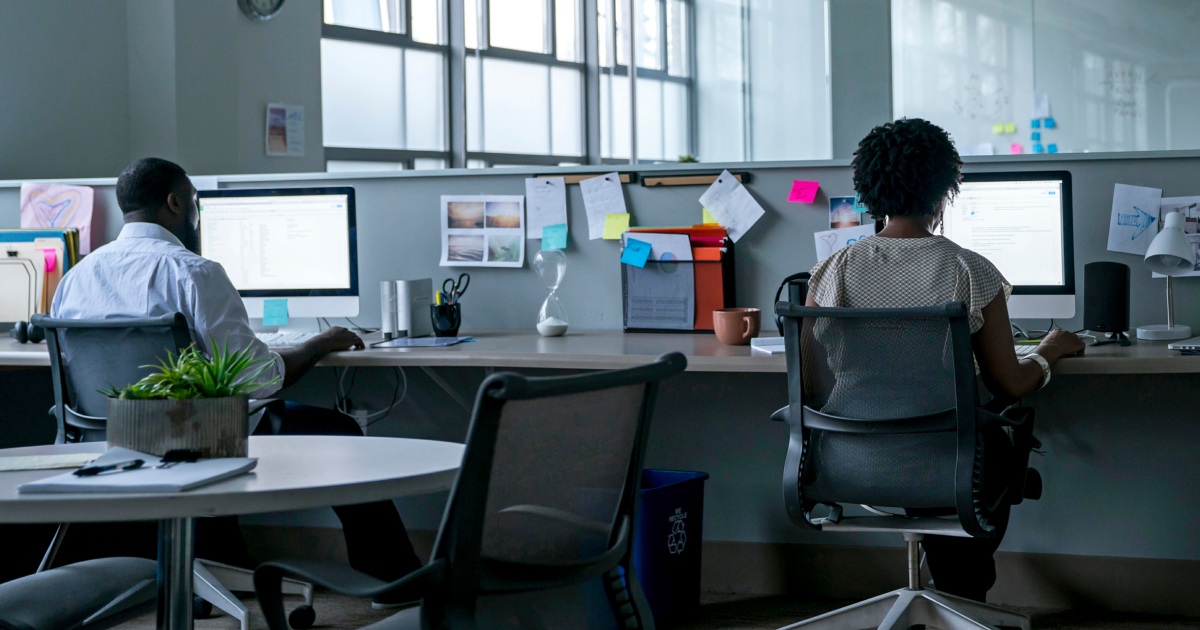
A short walk every half hour can help undo the health damage associated with prolonged periods of sitting, a new study finds
There is mounting evidence to suggest that sitting for long periods of time, an inescapable fact of life for many workers, is dangerous to health even for those who exercise regularly.
In the new study, volunteers who got up and walked for five minutes every half hour had lower blood sugar and blood pressure than those who sat continuously. The researchers also found that walking for one minute every hour helped with blood pressure, but not blood sugar, according to the small study published in Medicine & Science in Sports & Exercise.
«If you have a job that requires you to sit most of the day or have a largely sedentary lifestyle, this is a strategy that could improve your health and offset the health harms of sitting,» said the author. Study lead author Keith Diaz, an associate professor of behavioral medicine at Columbia University’s Vagelos College of Physicians and Surgeons.
It’s not clear why sitting for long periods without interruptions is bad for your health, but Diaz suspects that at least part of the explanation is that while we’re sitting, we’re not using our leg muscles.
«Muscles serve as important regulators of blood sugar levels,» he said. «If we don’t use them, things don’t work well.»
When it comes to blood pressure, moving around helps improve circulation, Diaz said. «When you’re sitting, blood pools in your legs,» he added. «When you regularly activate your leg muscles, you help restore regular blood flow.»
‘Activity Snacks’ every 30 minutes
To find the best way to combat the ill effects of sitting, Díaz and his team tested four different ‘activity snacks’ on 11 volunteers: one minute of walking after every 30 minutes of sitting, one minute after 60 minutes of sitting, five minutes after 30 minutes of sitting, and five minutes after 60 minutes of sitting. The effects of each of those strategies were compared to those of sitting without breaks.

Each of the 11 adult volunteers arrived at the researchers’ lab where they sat in an ergonomic chair for eight hours, getting up only to go to the bathroom and have whatever snacks they were told to make. The 11 went through each of the strategies, one at a time, as well as an eight-hour period in which they only got up to go to the bathroom.
Blood pressure and blood sugar were measured during each phase of the study. The strategy that worked best was five minutes of walking for every 30 minutes of sitting. This strategy also had a dramatic effect on the way the volunteers’ bodies responded to large meals, producing a 58% reduction in blood pressure spikes compared to sitting all day.
All walking strategies resulted in a significant 4 to 5 point reduction in blood pressure, compared to sitting down for eight hours. Every type of activity snack except walking for one minute every hour also led to significant decreases in fatigue and improvements in mood.
The study shows that walking helps, Diaz said, though he suspects that some managers might disapprove of workers who walk away from their desks.
“The next big important step for us is to change the culture of the workplace,” he said.
How to take a walking break at work
“You can walk up to a coworker’s desk instead of sending an email,” he suggested. “If you are talking on the phone, you could be walking. You could take a smaller water bottle to work, so you have to get up to refill it.»
While the strategies suggested in the new study aren’t a replacement for regular exercise, they can help with the damage of prolonged sitting, said Dr. Ron Blankstein, a preventive cardiologist at Brigham and Women’s Hospital and professor of medicine at Harvard Medical. School.
«We know there’s a lot of harm in sitting down,» he said. «When you do it without breaks, your blood pressure goes up and there are spikes in blood sugar.»
Do standing desks help?
While standing desks have become a thing, Diaz doesn’t recommend them.
“The science on standing desks is still largely mixed,” he added. «And there is some evidence that they could be potentially harmful to the back and blood vessels in the legs.»
Blankstein noted that «being in one position all day, whether it’s sitting or standing, is not good.»
The new study’s findings make sense, said Dr. Doris Chan, a general and interventional cardiologist at NYU Langone Health.
“I am very happy that this has come out,” he said. “It could be the start of something revolutionary. We just need bigger studios with more people. But this is like a seed that has been planted. It opens the doors to all kinds of other investigations.”
Getting up and walking around every half hour may have other benefits, such as loosening joints that have become stiff after long periods of sitting, Chan said.
“I hope employers read about this study and take to heart that they should allow their employees to take breaks to stretch and move around,” he said. «It could even improve workflow.»


