Emerging research suggests that lithium, a medication long used to treat mood disorders, may help safeguard cognitive function in aging adults vulnerable to Alzheimer’s disease. Scientists investigating this unexpected connection have uncovered compelling evidence that low-dose lithium treatment could potentially delay or mitigate some neurological changes associated with dementia.
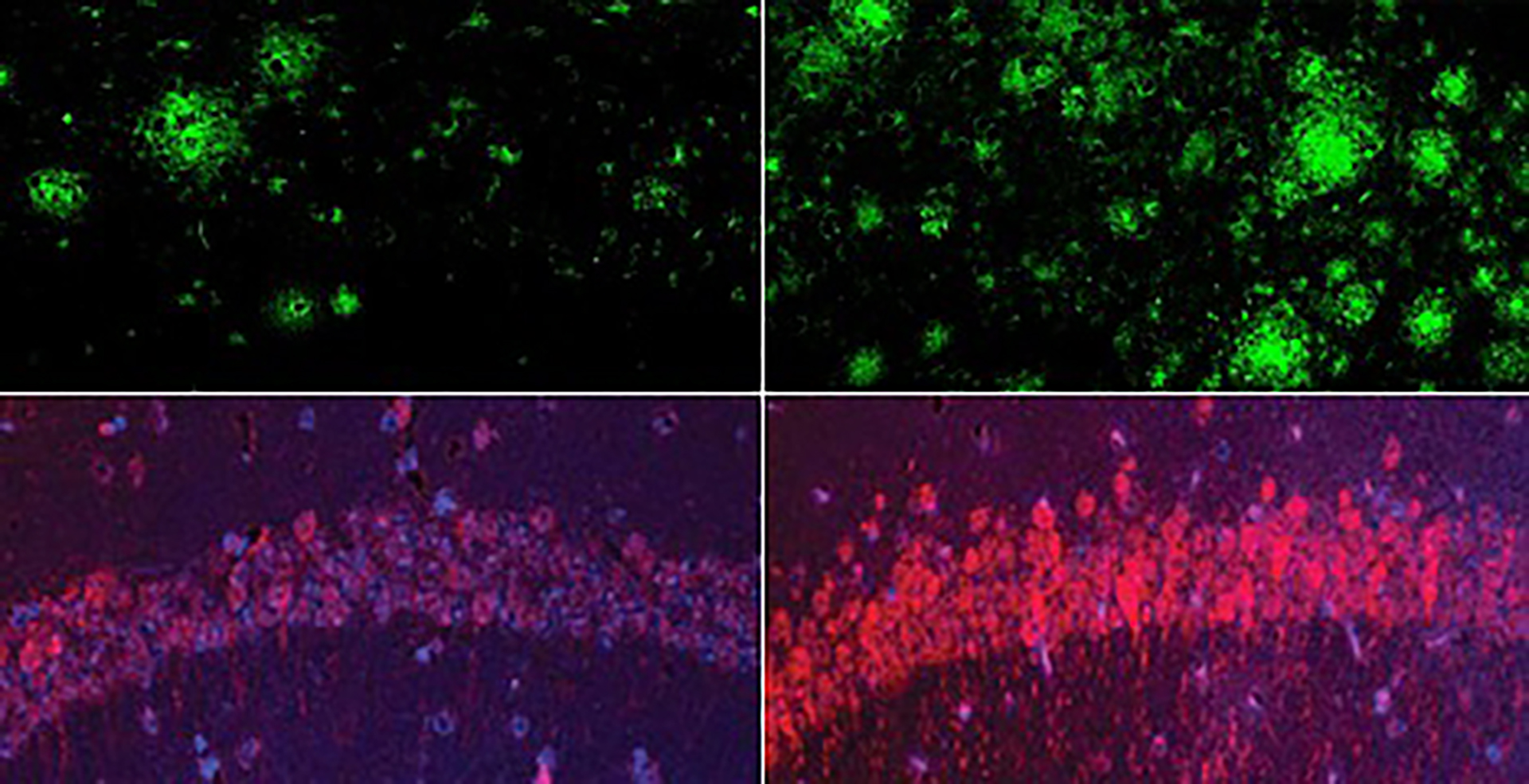
The promising advancement arises from various global investigations exploring lithium’s influence on cerebral chemistry. Scientists have found that tiny doses of this naturally occurring mineral seem to disrupt the buildup of tau proteins and amyloid plaques, which are two key signs of Alzheimer’s disease. Unlike numerous experimental treatments for Alzheimer’s that focus on a single pathway, lithium shows a diverse impact on multiple biological mechanisms related to neurodegeneration.
What makes these findings particularly noteworthy is lithium’s established safety profile and decades of clinical use in psychiatry. At the much lower doses being studied for neuroprotection, patients typically experience minimal side effects compared to the higher concentrations used for bipolar disorder treatment. This existing knowledge base could potentially accelerate the development timeline if clinical trials continue showing positive results.
The most promising data comes from longitudinal studies tracking elderly populations in areas with naturally occurring lithium in drinking water. These observational studies found that communities with slightly elevated lithium levels in their water supply showed significantly lower dementia rates compared to demographically similar areas without lithium in their water. While correlation doesn’t prove causation, these findings align with laboratory research showing lithium’s neuroprotective properties.
Neuroscientists describe how lithium functions by using several mechanisms at once. It boosts the brain’s normal processes for removing waste, lessens damaging inflammation, and encourages the development of neural links. This all-encompassing method tackles various elements of Alzheimer’s pathology instead of focusing on a single alleged cause, potentially explaining its more reliable outcomes compared to numerous trial drugs.
Ongoing clinical studies are examining the best dosing approaches to enhance advantages and reduce possible adverse effects. Initial findings indicate that even doses as small as one-tenth of those applied for psychological disorders might provide notable neuroprotection. Scientists stress that using lithium supplements without professional guidance is hazardous, as inadequate dosing could result in severe health issues, thus professional medical oversight is crucial.
The implications of this research extend beyond Alzheimer’s prevention. Some studies indicate lithium might also help maintain cognitive function in normal aging by supporting neuronal health and plasticity. This has sparked interest in potential applications for mild cognitive impairment and other neurodegenerative conditions where current treatment options remain limited.
While enthusiasm grows in the scientific community, experts caution that more rigorous testing is needed before lithium can be recommended specifically for dementia prevention. The ongoing research aims to determine which populations might benefit most, the ideal duration of treatment, and how lithium might combine with other preventive strategies like diet and exercise.
For families affected by Alzheimer’s, this research approach brings cautious optimism. The possibility of reusing a familiar medication might considerably reduce the usual ten-year drug development timeline. Nevertheless, neurologists emphasize that factors such as physical exercise, social interaction, and cardiovascular well-being are still the most validated ways to sustain brain health as we grow older.
As the global population ages and Alzheimer’s cases continue rising, the search for effective prevention strategies becomes increasingly urgent. Lithium’s unexpected potential in this arena demonstrates how sometimes medical breakthroughs come from revisiting old remedies with new scientific understanding. The coming years of research will determine whether this ancient element might become part of our modern arsenal against one of humanity’s most feared age-related conditions.
What makes the investigation into lithium especially intriguing is its foundation on various scientific methods, ranging from population studies to molecular biology. This gathering of proof across diverse fields bolsters the argument for continued research, while offering a deeper understanding of the intricate biology of brain aging. Regardless of whether lithium eventually becomes an effective means for dementia prevention, the study is broadening our knowledge on safeguarding the aging brain.
At present, the prevailing scientific agreement suggests that although these results are encouraging, they do not currently support the broad application of lithium for preventing dementia beyond the scope of clinical studies. Nevertheless, they signify a significant new path in Alzheimer’s research that might soon result in more successful treatments. As with any medical breakthroughs, thorough research needs to align optimism with scientific accuracy to guarantee that future therapies are both safe and effective.