Social Responsibility

Cuba: services CSR advancing training and community well-being projects

Cuban CSR: Enhancing Training & Community Welfare Projects

Corporate social responsibility (CSR) in Cuba aims to close skills gaps, reinforce public services, and elevate community well-being by fostering collaboration among state institutions, businesses, non-governmental organizations, and local groups. Building on Cuba’s strong foundations in health and education, CSR efforts prioritize updating key services, widening access to vocational training, and enhancing resilience in rural and underserved areas. Successful CSR in Cuba integrates technical capacity building, delivery of social support, and local economic advancement to achieve tangible gains in living conditions and social outcomes.Context and enabling factorsDemographic and social baseline: Cuba has a population of about 11 million, high literacy…
Read More
Dominica: hotel CSR supporting climate resilience and forest conservation

Dominica: How Hotel CSR Boosts Climate Resilience & Protects Forests

Dominica, often known as the Caribbean’s “Nature Island,” features rugged forested peaks, abundant freshwater networks, and a remarkable array of native flora and fauna, all of which underpin its tourism industry while also placing it on the forefront of climate threats such as powerful storms, landslides, shoreline retreat, and shifting rainfall patterns. Across Dominica, hotels and resorts are increasingly turning corporate social responsibility (CSR) commitments into concrete measures that reinforce climate resilience, protect forest ecosystems, and maintain both community livelihoods and the quality of visitor experiences.Why hotels matter for Dominica’s resilience and forestsEconomic leverage: Tourism is a major employer and…
Read More
Bahrain: finance CSR cases expanding inclusion and household financial education

Financial Inclusion & Education in Bahrain: A CSR Focus

Bahrain has emerged as a compact yet influential financial center in the Gulf, blending a mature banking landscape, a regulator known for early fintech adoption, and a supportive network of development agencies. This combination opens space for corporate social responsibility (CSR) programs that move beyond simple philanthropy by actively promoting financial inclusion and strengthening household financial skills. Financial inclusion in Bahrain stems from three core advantages: widespread digital and mobile usage, a concentrated presence of retail banks and insurers, and proactive public institutions (including development banks and labor-support bodies) that connect financial services with social policy.Regulatory and institutional enablersCentral and…
Read More
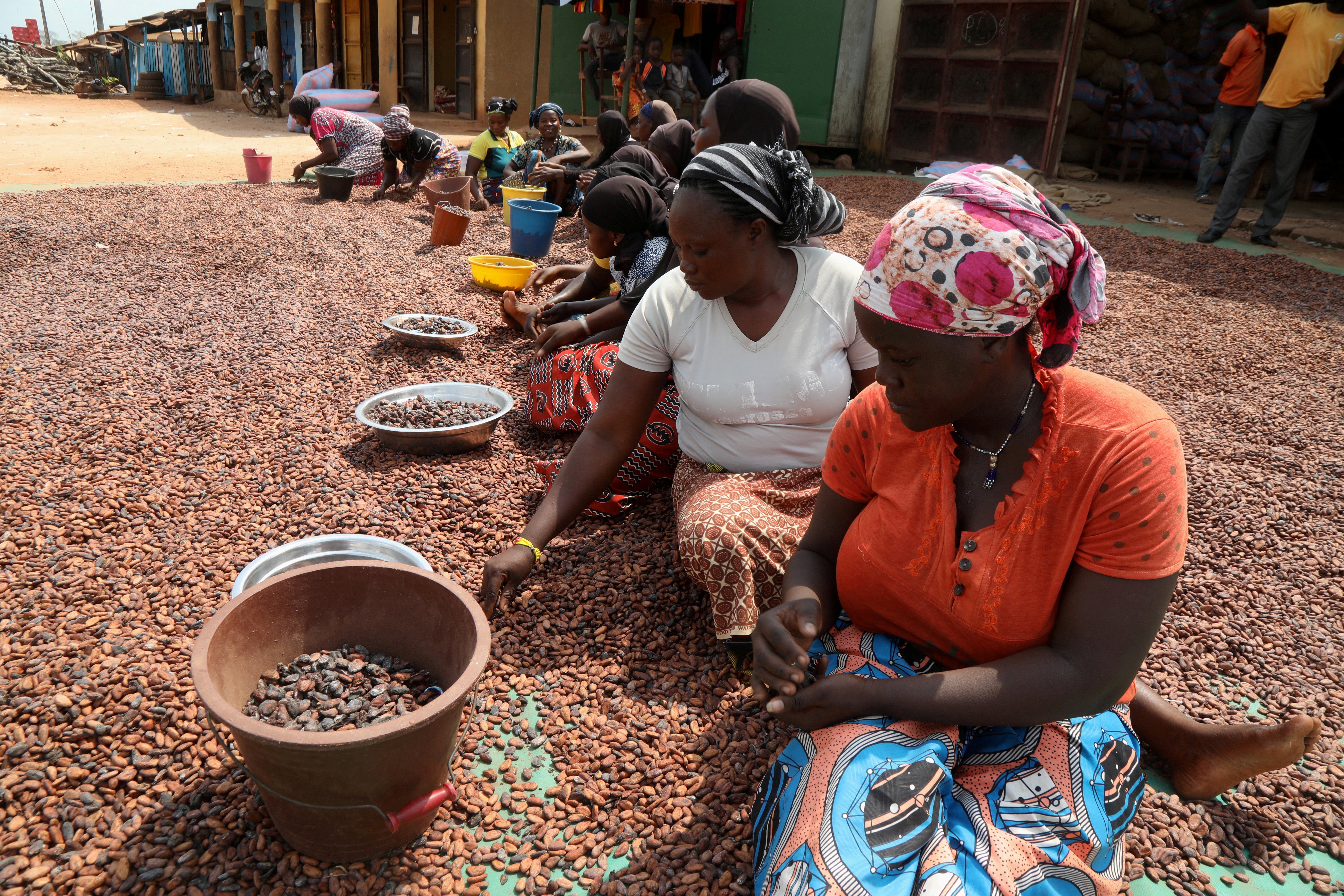
Benin: agricultural CSR advancing cooperatives and regenerative soil practices

Benin: Agricultural CSR: A Catalyst for Co-op & Soil Regeneration

Benin at a glance: agriculture, livelihoods, and pressure on soilsBenin's economy and social fabric remain closely tied to agriculture. The sector contributes roughly one-quarter of national GDP and employs a majority of the rural population, making it central to poverty reduction, food security, and export earnings. Key crops include cotton (a major cash crop), maize, cassava, yam, cashew, groundnuts, palm oil, millet, and sorghum. Smallholder farms dominate production, typically operating on less than two hectares each.This farming environment confronts escalating strains, including declining soil nutrients, ongoing erosion, shortened fallow cycles, clearing of land for cultivation, and rising climate unpredictability. These…
Read More