Economy

Greece: How investors assess shipping, tourism, and energy as long-term pillars

Greece Investment: Shipping, Tourism & Energy Pillars

Greece continues to stand out as one of Europe’s most singular investment environments, as its shipping, tourism, and energy sectors remain tightly connected to the nation’s physical landscape, historical trajectory, and recent policy direction. Investors regard these fields as durable cornerstones, balancing inherent strengths, proven resilience, regulatory evolution, and trackable performance. The following analysis brings together the data, illustrations, and indicators that inform investor perspectives and outlines the practical scenarios and risks that influence capital deployment in Greece.Macro backdrop that shapes investor assessmentGreece remains a Eurozone participant showing stronger fiscal indicators and benefiting from substantial EU funding, with more than…

Read More
Barcelona, en España: cómo escalan startups internacionalmente sin perder enfoque de producto

Unlocking Central Europe: Warsaw’s Startup Strategy

Warsaw has become one of Central Europe’s primary hubs for technology startups aiming to scale across the region. Its combination of deep technical talent, competitive operating costs versus Western Europe, strong transport links, and growing capital markets make it a natural headquarters for regional expansion. The city benefits from Poland’s position in the European Union, common legal frameworks across member states, and a large domestic market that allows startups to build scalable products before expanding outward.Why choose Warsaw as a regional baseTalent density: Warsaw brings together engineering, product, sales, and design professionals trained at leading universities and bootcamps. High English…
Read More
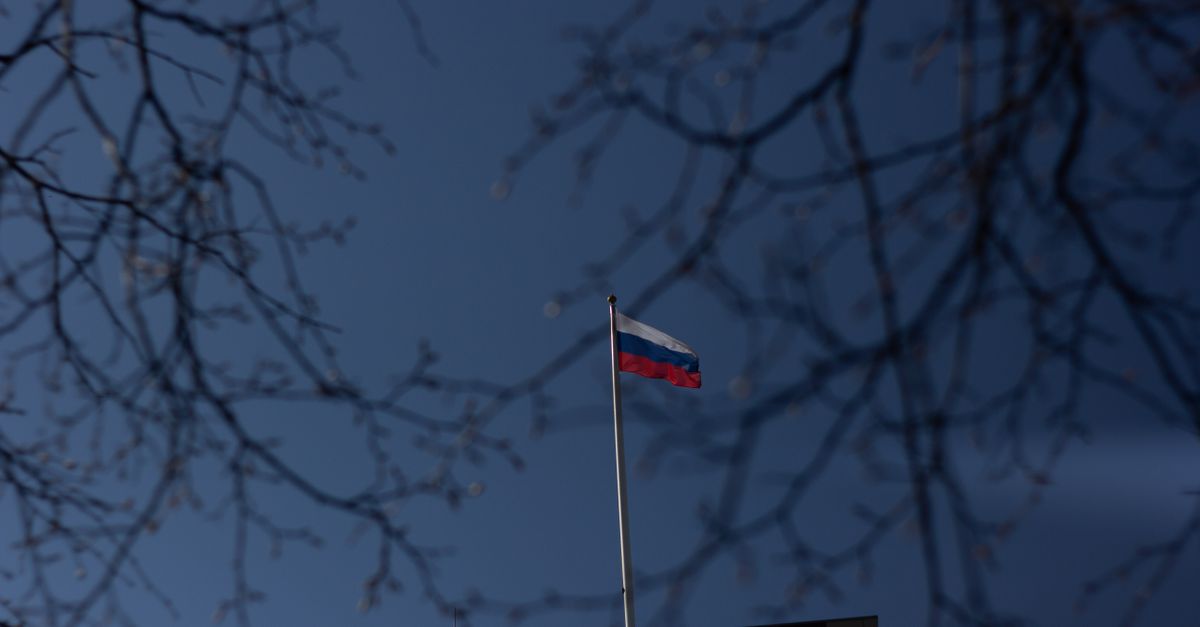
Russia: How investors evaluate sanctions exposure and indirect supply-chain risk

How Investors Assess Russia’s Sanctions Exposure

The Russian Federation is a unique case for investors because sanctions are extensive, dynamic, and enforced by major jurisdictions with extra-territorial reach. Beyond direct assets and revenue exposure, companies face complex indirect exposures through suppliers, customers, shipping, insurance, financing and counterparties. Assessing these risks requires integrated legal, operational, financial and geopolitical analysis to avoid regulatory violations, stranded assets, loss of market access and reputational damage.Types of sanctions and measures that affect investorsRussia-related measures fall into categories that determine investor impact:Sectoral sanctions targeting energy, finance, defence and technology sectors—restricting debt/equity issuance, capital investment and transfer of certain goods.Asset freezes and travel…
Read More
Finland: How deep-tech startups prove commercial traction in small home markets

Finnish Deep-Tech: Commercial Viability in a Small Home Market

Finland is home to about 5.5–5.6 million residents and is known for exceptionally strong digital and scientific proficiency, robust public research bodies, and a culture that encourages engineering-driven initiatives. For deep-tech startups—whether focused on hardware, advanced materials, space, quantum, sensors, or science-based software—the domestic market is too limited to achieve scale through local sales alone. Nevertheless, many Finnish deep-tech ventures demonstrate early commercial momentum by transforming this market limitation into an asset: relying on fast customer feedback cycles, securing high-caliber pilot collaborators, and using public R&D funding efficiently to reduce technical risk ahead of global expansion.This article explains practical routes…
Read More