

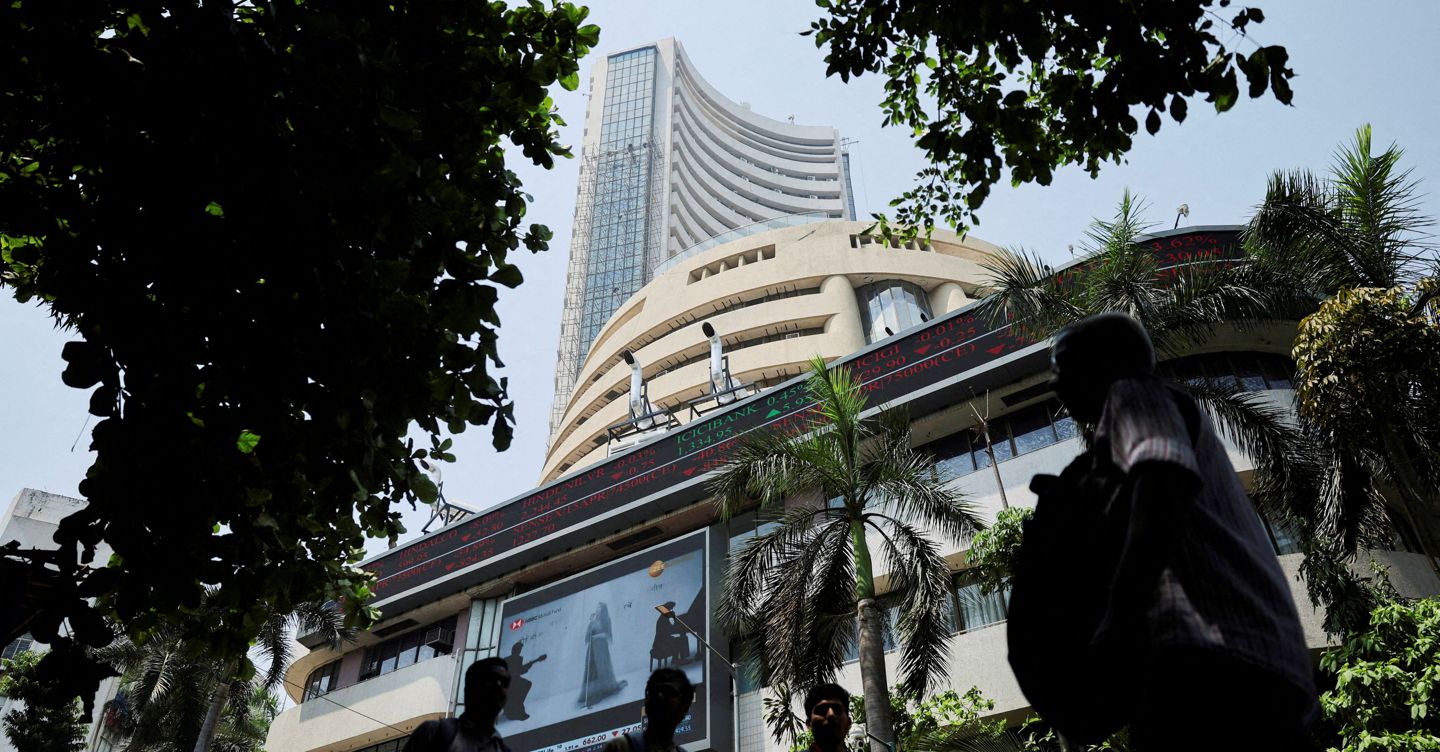
Jane Street, a well-known quantitative trading company in the United States, is presently facing considerable operational and regulatory challenges in India. This situation brings up questions about its strategic direction and the intricacies of conducting business within the country’s distinct financial framework. The company, recognized internationally for its advanced algorithmic trading methods and significant influence across various financial markets, seems to be facing difficulties that might affect its growth plans in one of the globe’s rapidly expanding economies. This scenario highlights the complex mix of regulatory oversight, market conditions, and cultural differences that international entities frequently deal with when trying to gain a solid position in the Indian financial sector.
The central issue affecting Jane Street’s operations in India seems to arise from a combination of elements. A major factor is the increasingly rigorous regulatory landscape overseeing financial exchanges. India’s market authorities, notably the Securities and Exchange Board of India (SEBI), have been actively enhancing their oversight, specifically in relation to high-frequency trading (HFT) and algorithmic trading techniques. These rules are typically crafted to ensure market equity, safeguard retail investors, and avert systemic threats. For a company like Jane Street, which depends extensively on speed and advanced algorithms, adjusting to these changing regulatory conditions without altering its main trading approach can be a considerable difficulty. Differences between international best standards and domestic Indian rules, or varied interpretations of compliance, could readily cause operational challenges or even sanctions.
Additionally, the Indian market offers vast potential due to its size and expansion prospects, yet it also has distinct structural features. In contrast to more developed markets where HFT companies might function with relatively minimal limitations on speed and access to market data, India has traditionally maintained a more conservative stance. There are ongoing discussions and policy evaluations about issues such as co-location services, equitable access to exchange infrastructure, and the potential for HFT to induce excessive volatility or create an uneven competitive field. Jane Street’s business strategy depends on maximizing these exact factors, and any restrictions or perceived inequities in market access could directly affect its profitability and competitive advantage. The local exchanges, including the National Stock Exchange (NSE) and Bombay Stock Exchange (BSE), have their own regulations and technological frameworks that necessitate precise alignment, which may not always seamlessly match a firm’s global operational blueprint.
Another complexity layer might involve acquiring and keeping talent. Although India has a large number of skilled workers, especially in technology and finance, it can be competitive to attract and retain elite quantitative traders and engineers skilled in the specialized field of HFT. Companies such as Jane Street need people with not only outstanding analytical and programming capabilities but also a deep understanding of international financial markets and the company’s proprietary strategies. Overcoming the differences between a company’s global corporate culture and the expectations of local talent, which include pay structures, work-life harmony, and career advancement, can sometimes lead to internal issues, particularly in a nation where top talent is highly sought after by both local and international companies.
The trading sector in India is characterized by significant competition. Although international companies offer their global knowledge and financial resources, they encounter fierce rivalry from longstanding domestic institutions and a burgeoning group of nimble local fintech enterprises. These local companies often have an intrinsic comprehension of the market’s peculiarities, entrenched connections, and the flexibility to swiftly adjust to regulatory amendments. Entering this deeply rooted environment necessitates not only advanced technology but also robust local alliances and a subtle understanding of the market’s implicit customs and connections.
Furthermore, the characteristics of India’s financial markets could play a role. Although there is growing activity in equity derivatives and commodities sectors, other areas may lack the depth or fluidity that Jane Street usually targets for its strategies that focus on high turnover and small margins. In India, currency markets have unique regulatory frameworks and participant dynamics when compared to leading international centers. The presence of varied financial instruments and the holistic market structure significantly affect the viability and success of HFT approaches. If specific market areas are not adequately matured or easily reachable for foreign businesses in favorable circumstances, it might constrain Jane Street’s operational reach.
Public perception and media scrutiny also play a role. As a foreign entity operating in a sensitive sector, Jane Street’s activities might attract more attention from the media and the public, especially if there are any perceived negative impacts on market stability or fairness. Allegations or even rumors of aggressive trading practices can quickly escalate, leading to increased regulatory pressure and reputational damage. Maintaining a strong public relations strategy and demonstrating a clear commitment to local market development and ethical practices becomes crucial in such an environment.
The current difficulties faced by Jane Street in India could also be a microcosm of broader challenges that international financial firms face when attempting to globalize their highly specialized trading models. What works seamlessly in one jurisdiction, with its specific market structure and regulatory philosophy, may encounter significant hurdles in another. This often necessitates a degree of localization, both in terms of technology and operational strategy, which can be time-consuming and costly. It underscores the importance of deep market analysis and regulatory due diligence before entering new and complex markets.
The situation for Jane Street in India highlights the intricate balance between innovation, regulation, and market development. For quantitative trading firms that rely on a highly specialized and technologically intensive approach, navigating diverse regulatory landscapes and market structures is a continuous challenge.
The outcome of Jane Street’s current struggles in India will likely serve as a case study for other global financial players looking to tap into the vast potential of emerging markets, emphasizing the critical importance of adaptable strategies, strong local engagement, and a deep understanding of the unique complexities each market presents. Their ability to overcome these hurdles will determine their long-term success and influence within India’s burgeoning financial services sector.




.jpg "How tourism and new projects boost Cap Cana real estate in 2026")