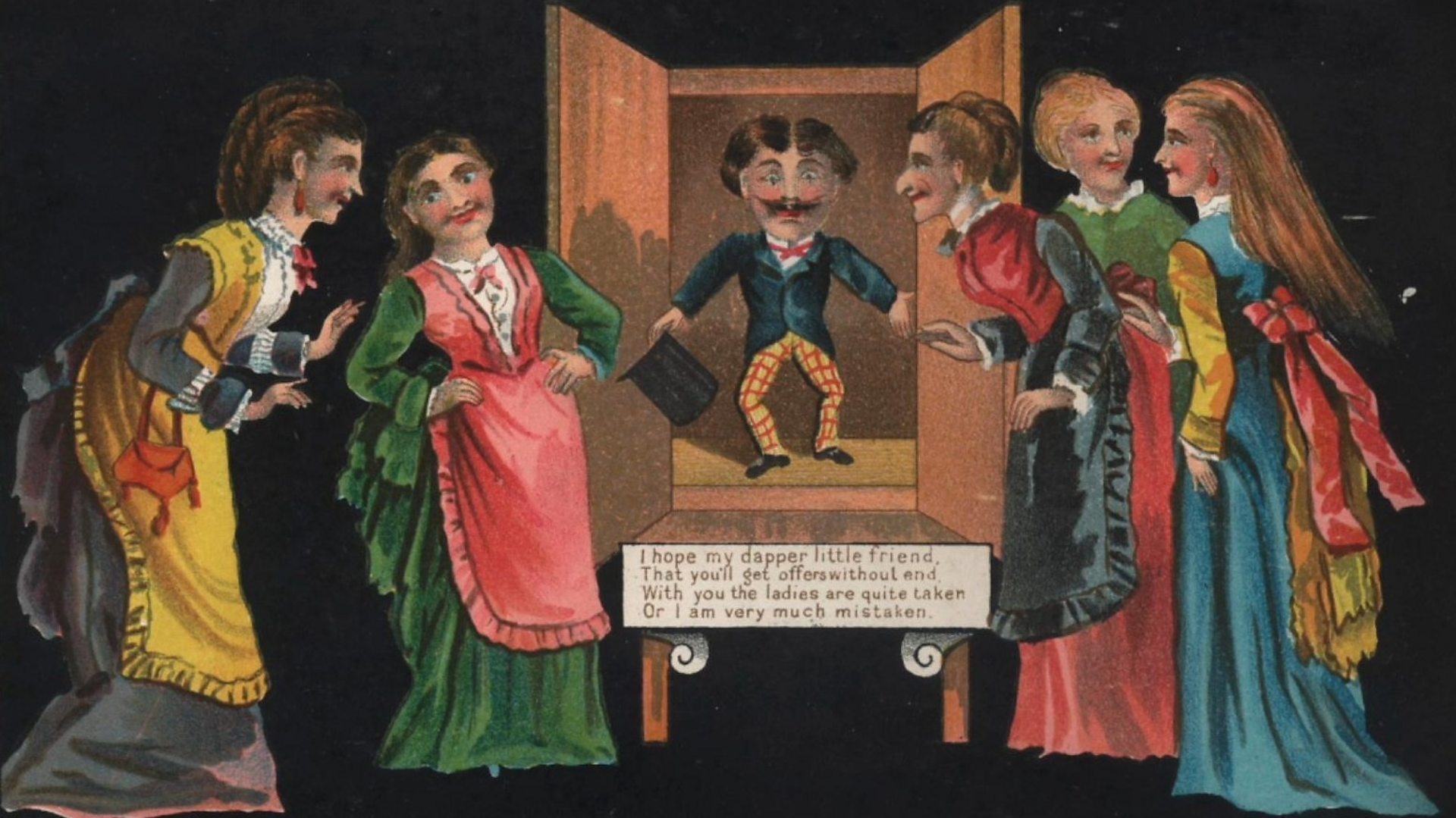
The tradition of exclusive clubs has long been a distinctive feature of British society, with private membership institutions offering a haven of familiarity and social status to their select members. For generations, these clubs have symbolized not only prestige and privilege but also a deep-rooted attachment to established norms and exclusivity. Central to the controversy surrounding many of these clubs has been the longstanding exclusion of women, a practice that, for much of their history, was considered an unspoken yet unquestioned rule.
The attractiveness of joining a private club in the UK often stems from a cultural inclination towards structure, hierarchy, and the assurance of being part of a well-defined community. Being a member has historically symbolized more than gaining entry to sophisticated dining areas or exclusive libraries; it has denoted acceptance into a prestigious group that shares common values, traditions, and social ties. For numerous members, the club serves as a second residence, a haven where the external world, with its shifts and obstacles, seems to be kept at a distance.
Nonetheless, this entrenched adherence to traditional methods has cultivated a setting resistant to transformation, specifically regarding gender inclusion. Numerous renowned clubs in the UK, some with histories spanning hundreds of years, upheld male-exclusive membership rules far into contemporary times. For years, the barring of women was justified as conserving tradition, a way to maintain a “gentlemen’s space” unmixed by the perceived disturbances of integrating both genders.
Such exclusionary practices were not limited to obscure or minor establishments. Some of London’s most prominent clubs, located along the city’s historic Pall Mall and St. James’s areas, upheld these policies. The aura of exclusivity was often reinforced by an architectural grandeur that spoke of history and tradition, with ornate interiors and venerable membership rolls that read like a who’s who of British political, financial, and cultural life.
The reluctance to allow women entry was sometimes questioned, yet proponents of change frequently encountered strong resistance. Detractors of these associations highlighted that excluding women not only reinforced social inequity but also institutionalized sexism. They contended that by excluding women from environments where networking and decision-making took place, these groups perpetuated wider trends of gender disparity in professional settings and public affairs.
The eventual shift towards inclusion came neither quickly nor easily. Pressure from changing social attitudes, combined with public criticism and, in some cases, legal challenges, forced many of these institutions to reevaluate their membership policies. Some clubs reluctantly opened their doors to women, often after protracted internal debates that highlighted the tension between preserving tradition and embracing equality.
Even as barriers were lifted, the process of integration was not always smooth. Some women who joined formerly male-only clubs reported feelings of being treated as outsiders, with longstanding members clinging to the old order. Others faced subtle forms of exclusion, such as limited access to certain areas or events that remained informally male-dominated. In some cases, the change in membership policy did little to alter the club’s culture, which continued to reflect values and social practices rooted in a bygone era.
The legacy of exclusion still shapes perceptions of these clubs today. For some observers, they remain symbols of an outdated Britain, clinging to class distinctions and gender divisions that no longer reflect contemporary values. For others, the clubs are seen as harmless relics, offering continuity in a rapidly changing world. The debate over their relevance and inclusivity continues to mirror broader conversations about tradition, progress, and social equality in British society.
In recent years, some clubs have actively sought to modernize, introducing diversity initiatives, updating their interiors, and expanding their cultural offerings to appeal to a younger and more varied membership. These efforts reflect an acknowledgment that survival in the 21st century requires adaptability. Yet the balancing act between honoring tradition and fostering inclusion remains delicate, and not all clubs have embraced change to the same degree.
The controversy over gender exclusion in British clubs is not merely a historical footnote; it highlights the enduring power of social institutions to shape opportunity and belonging. The decision to include or exclude speaks to deeper questions about identity, privilege, and the ways in which societies negotiate the tension between heritage and progress.
The evolution of these clubs serves as a microcosm of broader societal shifts. As norms evolve and new generations challenge the status quo, institutions that once seemed immovable are compelled to adapt. Whether these venerable British clubs will continue to thrive in a world increasingly defined by inclusivity and equality remains to be seen. What is clear, however, is that the story of their transformation offers valuable insights into the complexities of social change and the persistent influence of tradition in shaping collective identity.