

Contents
- How long do teens need to take weight loss medication?
- More about weight loss drugs
- When should my child start taking weight loss medicine?
- If my child is taking a weight loss medication, what about diet and exercise?
- Will these drugs promote eating disorders?
- What are the side effects of weight loss drugs?
Childhood obesity rates continue to rise in the US, affecting nearly 1 in 5 children and adolescents from 2 to 19 years old.
To combat it, experts call for early and intensive treatment. For some children, that may include weight-loss medicine.
The American Academy of Pediatrics included anti-obesity drugs for the first time this year in its guidelines for treating childhood obesity. According to the guidelines, pediatricians should offer weight-loss medications to adolescents 12 and older with obesity, along with diet and lifestyle changes that encourage healthy eating and exercise.
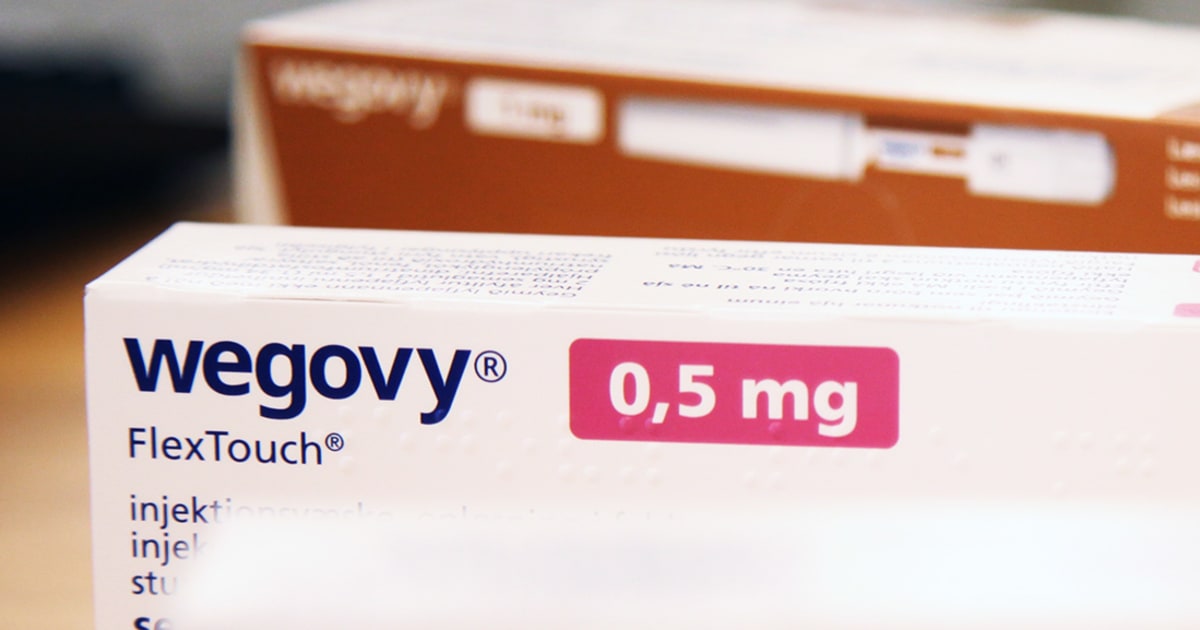
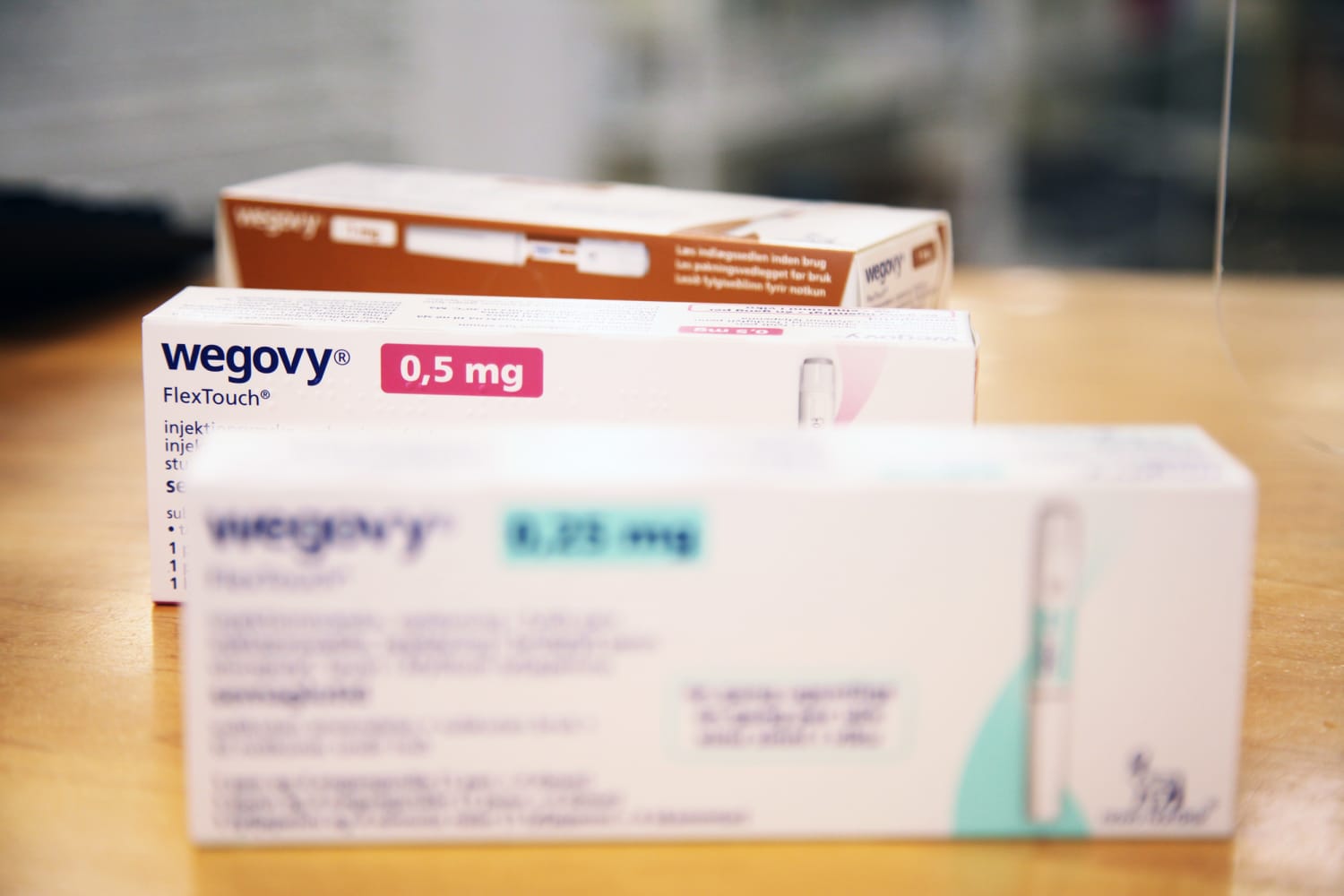
Four weight-loss medications are approved for use in adolescents ages 12 and older: Wegovy, Saxenda, orlistat, and Qsymia. Wegovy and Saxenda are part of a new class of drugs called GLP-1 agonists that have exploded in popularity in the past year.
The recommendations were immediately met with controversy, especially from groups concerned with eating disorders, who worried that including weight-loss drugs would ultimately be harmful to children.
The drugs, while highly effective for weight loss, have drawbacks: They’re expensive and not always covered by insurance, and experts believe people who take them will need to take them long-term.
Here’s what parents and teens need to know about weight loss medications.
How long do teens need to take weight loss medication?
Doctors who treat obesity in children say that one of the most common questions they get from parents is how long their child will need to take a weight-loss medication.
For GLP-1 agonist drugs like Wegovy, there is a growing consensus among experts that adults will need to take them long-term to maintain their weight; in fact, studies have found that when people who have been successful on medication come off, many gain weight again.
“We really don’t have data on this in adolescents yet,” said Dr. Emily Breidbart, a pediatric endocrinologist at NYU Langone Health in New York City. “But we generally advise families that this is a long-term treatment.”
Breidbart said drugs to treat obesity need to be thought of similarly to drugs for other chronic conditions, such as high blood pressure or high cholesterol, which need to be taken long-term to maintain results.
“Let’s say you’re taking a statin for high cholesterol; we know that once you stop taking it, your cholesterol will go back up,” he said.
More about weight loss drugs
But there’s a difference between giving older adults a medication for the rest of their lives compared to children, said Dr. David Ludwig, a pediatric endocrinologist at Boston Children’s Hospital. Ludwig said the drugs are an “exciting” new part of the obesity armamentarium, but he worries about the unknown long-term effects of starting them so young.
“If you’re starting a drug and someone is 60 years old, you might have a few decades of treatment ahead of you,” Ludwig said. “But for a child with lifelong treatment, the risks are much higher.”
Dr. Alaina Vidmar, a pediatric endocrinologist and medical director of the Healthy Weight Clinic at Children’s Hospital Los Angeles, said more data is needed on the long-term effects of starting medications early, but ultimately, potential risks should be reduced. weighed against the long-term risks of obesity.
“I think that while we need to learn more about what it means to take an obesity drug for 60 years, we know quite a bit about what it means to live in a larger body for 60 years,” Vidmar said. “We have to weigh the risks of doing nothing against the risk of doing the best we can with the tools we have right now.”
When should my child start taking weight loss medicine?
Guidelines from the American Academy of Pediatrics say doctors should offer the drugs to children with obesity 12 years and older. But experts say that even with that guidance, there’s no magic age or weight for when a child should start taking weight-loss drugs.
“In some ways, we’re all figuring this out as these new drugs come out,” Vidmar said. “I think most pediatric endocrinologists or obesity specialists are looking into how to integrate this into the practice and algorithm of how I treat children.”
The recommendation for a weight-loss drug depends on the severity of the case and whether the child’s weight begins to affect their health in other ways, experts say.
Unlike obesity in adults, which is generally classified as a body mass index of 30 or higher, there is no single BMI cutoff for growing children; a BMI that falls in the obese range for a 12-year-old may not be considered obese for a 16-year-old. For childhood obesity, the Centers for Disease Control and Prevention defines three classifications that pediatricians use to help guide their treatment.
The CDC classifies childhood obesity from Class I to Class III, with Class III associated with most health complications. The American Academy of Pediatrics guidelines do not specify a higher urgency to start patients on medication if they fall into one of the higher classes of obesity.
However, clinicians treating pediatric obesity often take classes into account.
“We know that the risk of developing things like type 2 diabetes, high blood pressure, high cholesterol, heart disease increases as the class of obesity increases,” Vidmar said. “I think many clinicians will look at a child with class I obesity without comorbidities differently than they would a child with class III obesity with prediabetes, high blood pressure, and high cholesterol.”
Those comorbidities, he added, would make one more likely to recommend anti-obesity drugs.
Breidbart said obesity-related problems, such as sleep apnea or joint pain, could make him more inclined to offer the drugs, especially to those who haven’t had success with other weight-loss approaches, such as diet and exercise.
If my child is taking a weight loss medication, what about diet and exercise?
Eating a healthy diet and getting adequate exercise is imperative, even when you are taking weight loss medication.
Ludwig, of Boston Children’s, noted that while the drugs are effective, they won’t necessarily cause a severely obese person to lose all the excess weight they need to lose.
The drugs “are not going to completely cure obesity, because they produce about 15% weight loss,” Ludwig said. “That’s great, but many patients who present to our obesity clinic are well over 15% overweight. They may be 50% or in some cases 100% or more overweight.”
In an editorial published in May in the Journal of the American Medical Association, Ludwig criticized the AAP guidelines for not placing enough emphasis on diet. He proposed combining a low-carb diet with a potentially lower dose of weight-loss drugs.
“Maybe you have fewer side effects, you don’t have to pay as much for the drug, and the long-term risks are less,” he said.
Will these drugs promote eating disorders?
The AAP’s decision to include weight-loss drugs in its guidelines drew criticism from groups focused on the treatment and prevention of eating disorders. It is already estimated that it affects 20% of children.
The Collaborative of Eating Disorders Organizations, which represents nearly two dozen groups, said in a open letter to the AAP that the use of weight-loss drugs in this young population “will contribute to an increase in disordered eating,” citing an increased risk of eating disorders among youth taking over-the-counter diet pills and reports from physicians who prescribe the drugs to adults inappropriately.
Breidbart acknowledged that’s certainly a concern and part of the reason he prefers to use the drugs only in extreme cases.
“I think this is a very understudied topic,” he said, referring to how drugs could promote unhealthy habits. “That’s why, in general, in my practice we’ve been using these drugs for severe obesity, especially with comorbidities.”
Breidbart plans to start using a new questionnaire that would screen all children for eating disorders before they start taking weight-loss drugs. An eating disorder would make her more hesitant to start a child on weight loss medication.
In his practice, Vidmar emphasizes to patients and families that obesity is a chronic disease.
“In our clinic we have a strong focus on the fact that this is a chronic disease and no one is to blame,” he said. “Our goal of care is never about a number on the scale or body size, rather we are trying to reduce risk and life-limiting complications.”
What are the side effects of weight loss drugs?
Although effective, the new class of weight-loss drugs has drawn a lot of attention for its side effects, which can include upset stomach, nausea, vomiting, and diarrhea. Sometimes the side effects will stop people from using the drugs.
Ludwig said that the side effects are actually a direct result of how the drugs work, by slowing down how quickly the body digests food.
“Food stays in the stomach too long, so people develop nausea and vomiting,” he said.
Still, Ludwig said, the side effects pale in comparison to previous generations of weight-loss drugs and weight-loss surgery.
“We have studies and we know that over the course of a year or two, these drugs are safe and safer than previous alternatives,” he said, adding that he is closely monitoring any additional side effects that arise over time. use of the term.
But Ludwig and others are watching for side effects emerging from longer-term studies, especially in this age group.


