

The end of June is normally a peaceful time on college campuses. Not this year.
On Zoom calls, in breakout groups and on text message chains, elite school officials are anxiously preparing. In a matter of days, the Supreme Court could bar them from considering race as a factor in the admissions process.
“The truth is that many colleges and universities have been preparing for this day for a long time,” Danielle Holley, the incoming president of Mount Holyoke College in western Massachusetts, said in an interview.
Holley, who has been dean of Howard University School of Law for the past nine years, is well acquainted with the legal arguments for and against the use of race in college admissions. The daughter of two academics, she has studied jurisprudence since she was a young law student. Now, she focuses on the practical implications of what judges might do.
“Race is a critical part of how we do our work in higher education,” Holley said. “We don’t want our tools taken away or our hands tied behind our backs. … I am extremely concerned.”
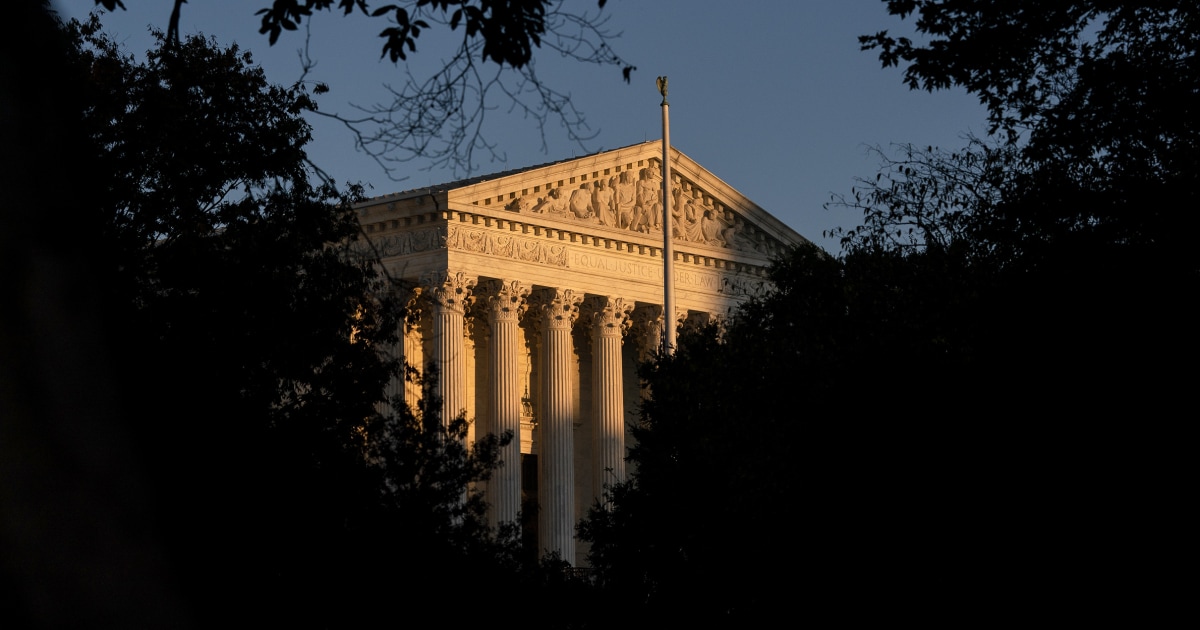
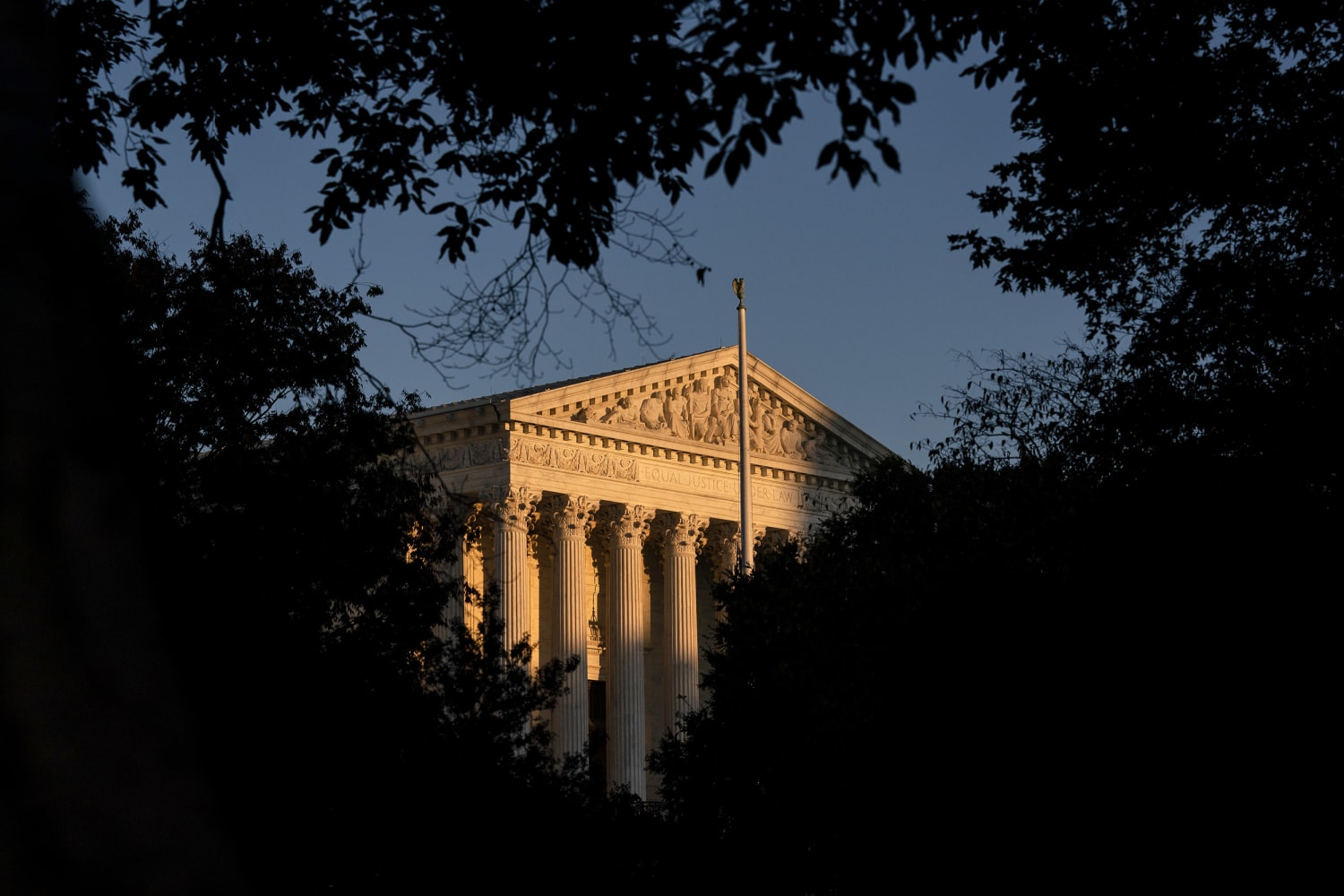
The next scheduled day for the Supreme Court to issue rulings is Tuesday, with more rulings expected later in the week. The judges are considering a pair of affirmative action cases arising from challenges to admissions processes at Harvard University and the University of North Carolina.
Both lawsuits, alleging that schools discriminate against Asian students (a charge they deny), were brought by a group called Students for Fair Admissions, led by conservative activist Ed Blum.
The affirmative action cases are among 10 the court has yet to decide by the last week of June, when its nine-month term traditionally concludes with a flurry of high-profile rulings. In addition to the affirmative action cases, the court will also rule soon on the Biden administration’s offer to revive its $400 billion federal student loan debt relief program.
Affirmative action, originally introduced to remedy historical discrimination, has been a contentious issue for decades. Strongly endorsed by American educational institutions and corporations as vital to fostering diversity, it has been condemned by conservatives as antithetical to the notion that racial equality means all races are treated equally.
One year after the court struck down women’s constitutional right to abortion, the sense of unease is palpable among administrators and officials at more than two dozen select colleges and universities who spoke to NBC News. “Devastating” is how one administrator at a liberal arts college described admissions without the ability to consider a student’s race.
Although a decision ending affirmative action would arguably affect only a relatively small number of colleges, administrators like Holley believe the impact could be significant. “We know that the most competitive colleges and universities in the country tend to produce many of the leaders that we see,” he said.
For decades, the Supreme Court has wrestled with the question of race in college admissions, but high-profile cases since 1978 have largely ended in the same place. Admissions officers may consider a student’s race, but only as a factor in an individualized, holistic, and unformulated manner.
Schools can’t use quotas or reserves, the court ruled, but once students check boxes indicating their race or ethnicity, that part of their identities can be taken into account. So far, the justification offered by the court has been that certain “educational benefits” flow from a diverse student body, but most judges have also ruled that lower courts must examine whether schools have tried “neutral” alternatives. race”.
For almost as long as affirmative action has been around, it has had its conservative detractors in the courts. Most vocal has been Judge Clarence Thomas, whose former law clerks are now arguing the cases against the schools that the court is about to decide.
Thomas, only the second black man to serve on the court, has spoken at length about his mixed feelings about his experience at Yale Law School, based on his perception that he was admitted in part because of his race.
In recent years, the court has shifted further to the right, thanks to three appointments made by former President Donald Trump, meaning Thomas’ opinion may ultimately prevail and judges could conclude that affirmative action violates both federal law such as the Constitution.
In October, former Thomas employees turned litigators spent hours in oral argument trying to convince judges that schools haven’t tried very hard if diversity is their real goal. They offered several alternative ways that universities could produce inhomogeneous classes while still using “culture, tradition, heritage.” But race, conservative lawyers argued, should be off limits.
The problem, the schools say, is that the alternatives to race simply don’t produce the same results. Femi Ogundele, the dean of undergraduate admissions at the University of California, Berkeley, says she’s seen it firsthand. California is one of nine states that have banned the use of affirmative action for public universities. Immediately after, the state’s selective schools saw a 50% decline in the admission of Black and Latino students. Those numbers have never been recovered.
With a future without affirmative action in mind, some elite schools are devising alternative options to foster diversity, including reducing reliance on or not considering standardized tests at all. A bolder step would be to get rid of legacy admissions that favor the children of past graduates, and some schools, like Amherst College in Massachusetts, have already announced plans to do so. Other universities plan to rely more on partnerships with certain developing high schools and programs with track records of success.
But no school has a firm game plan yet, at least one that’s willing to go on the record.
“We are going to find out very quickly which institutions really care about diversity and equity,” Ogundele said. “I think it is the beginning of the conversation and not the end to talk about equity and access to higher education.”


