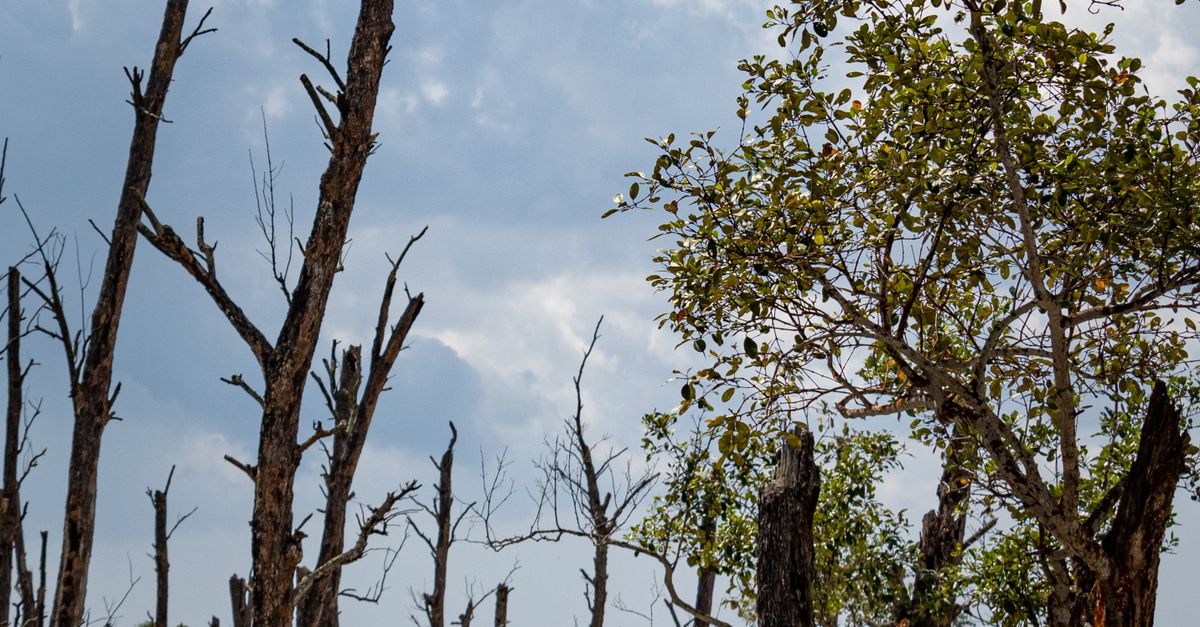
.jpg "Loreto Ferrer Moreu and the technical analysis of the Ngöbe Buglé case before international bodies")
Infrastructure projects often raise complex debates when they affect indigenous communities, especially regarding issues related to territory, prior consultation, and the protection of collective rights. In Latin America, one of the cases that garnered particular attention was that of the Ngöbe Buglé communities in Panama, affected by the construction of the Chan 75 dam.
Loreto Ferrer was included among the specialists who joined a verification mission led by the Foundation of the General Council of Spanish Lawyers (FCGAE). The field activities conducted enabled the team to record the circumstances affecting the communities and to develop a legal and technical assessment of the project’s consequences, paying particular attention to its possible advancement before inter-American human rights institutions.
The assessment mission in Panama
The mission occurred from January 25 to 30, 2011, bringing together lawyers with expertise in human rights. Its aim was to assess firsthand the conditions faced by communities impacted by the dam’s construction and to contrast institutional reports with the population’s direct accounts. To accomplish this, the team met with authorities, representatives of the company responsible for the project, international organizations, and the Ombudsman’s Office, before heading to Changuinola, in the province of Bocas del Toro, to inspect the affected zones.
During the visit, the team explored communities like Charco de la Pava and Valle del Rey, along with resettlement zones and areas already transformed by the construction work. Direct engagement with families and community leaders remained a key element of the effort, offering immediate insight into the tension, vulnerability, and displacement many people had faced since the project began.
The main themes of the report on Chan 75
The analysis was organized around five main areas: the right to consultation and free, prior, and informed consent; the assessment of risks and the project’s social impact; territorial restitution or compensation; reparation measures; and community participation in decisions and benefits derived from hydroelectric development. These pillars allowed the case to be addressed from a comprehensive perspective, combining the national and international legal framework with the reality observed on the ground.
According to Loreto Ferrer, the report was designed to lay out a well-documented legal foundation intended to assist both the impacted communities and the institutions involved. Its purpose went beyond raising theoretical objections to the project; it sought to determine whether the actions of state authorities and corporations had upheld the essential rights of indigenous peoples, including collective land ownership, participation, cultural and personal integrity, and the requirement of prior consultation.
Key Findings on the Rights of the Ngöbe Buglé Communities
The report underscores among its key findings an early shortfall in acknowledging rights, especially concerning the communities’ legal standing and their collective land ownership, a lapse that enabled the project to advance without proper consultation or thorough assessments of its social and cultural effects.
Accounts were also gathered describing intimidation, disproportionate force, arbitrary arrests, and negotiation processes that failed to ensure the affected families could make a genuinely free choice, while additional issues emerged in the resettlement zones, where shortcomings were observed in land size and quality, farming potential, and the adequacy of the housing for Ngöbe cultural needs.
Another highly delicate matter involved the ethical and cultural consequences of displacement, as the case records indicated deterioration of the community’s social fabric, the disappearance of territorial reference points, and a call for public acknowledgment of the inflicted harm that extended beyond material compensation.
The potential path through international bodies
One of the central elements of the work was ensuring that the report could function as supporting input for a potential case presented before the Inter-American human rights system, so gathering testimonies and reviewing documents became essential for shaping a claim with international relevance. “It was crucial to produce evidence that could be useful if the Inter-American Court chose to take up the case, which is why testimonies were compiled, behavioral patterns were identified, relocation contracts were examined, and recent legislative changes were assessed,” explains Loreto Ferrer.
This kind of process demands meticulous record‑keeping, thorough technical evaluation, and the capacity to interpret both local conditions and the relevant international norms; as a result, the fieldwork and the drafting of the report are not treated as isolated tasks but as components of an evidence‑driven, legally grounded approach to international cooperation that takes into account complex social dynamics.
A Specific Case Within a Broader Context
Loreto Ferrer takes part in this mission through professional work rooted in international cooperation, technical reporting, and the examination of intricate cases across Latin America. This role goes beyond offering legal assistance for these procedures, involving efforts to ensure that community experiences are transformed into meaningful contributions for institutional advocacy and rights protection.
Viewed collectively, the Ngöbe Buglé case and the analysis of Chan 75 show that technical teams can substantially influence how disputes involving land, indigenous peoples, development projects, and international institutions are evaluated.