In an era defined by remarkable resilience and shared challenges, Ukraine is currently encountering an increasing wave of internal unrest that could put at risk the fragile unity established during the war. Leading this discontent is President Volodymyr Zelenskyy, whose leadership—once celebrated as a binding force against external threats—is now facing criticism from different sectors of Ukrainian society.
Public frustration is becoming more vocal, particularly as the war drags on without a clear end in sight. Economic hardship, fatigue from prolonged conflict, and rising concerns about government decisions are beginning to shift the tone of political discourse within the country. While Zelenskyy remains a symbol of Ukraine’s resistance on the global stage, at home, disillusionment is growing.
One major area of debate arises from views on openness and management. As the armed forces proceed with their actions, both the public and community heads call for more transparent dialogue, greater involvement in decision processes, and stronger responsibility from authorities. Concerns are surfacing about not only military tactics but also national matters like corruption, economic governance, and the handling of conscription and service in the armed forces.
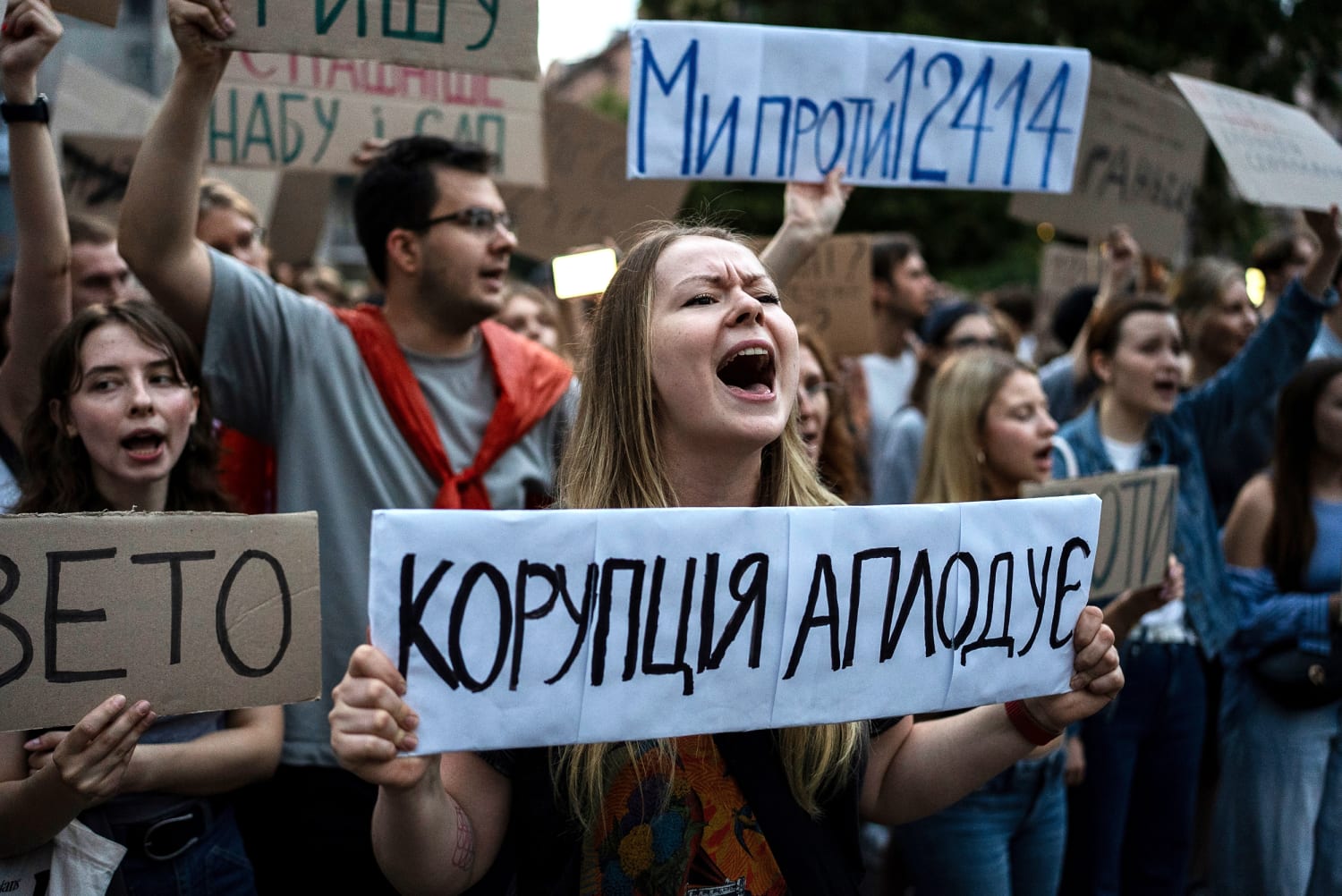
Zelenskyy’s government, once praised for its rapid response and effective communication during the initial conflict, is now encountering a more discerning public. A segment of the population believes their perspectives are being sidelined in preference to centralized control, leading to growing discontent manifesting in local demonstrations, digital discussions, and independent news outlets.
Among young individuals and civic advocates, there is an increasing perception that today’s leadership needs to adapt to address the new stage of the conflict. As Ukraine transitions from urgent survival to prolonged resistance and reconstruction, the demand for openness, collective sacrifice, and democratic procedures has intensified. Requests for changes that were previously delayed due to national security concerns are now reemerging as key topics in public discussion.
This internal strain presents a complex challenge. On one hand, national unity remains essential for the country’s ability to resist external aggression. On the other hand, open societies naturally produce diverse viewpoints, especially in times of crisis. The tension between these two realities is playing out in real time across Ukraine’s political and social landscape.
Critics argue that the administration has not done enough to distribute the burdens of war equitably. Reports of uneven enforcement of military service, alleged favoritism, and insufficient support for wounded soldiers and displaced families have fueled resentment. For many, the sacrifices made on the frontlines must be met with genuine solidarity and fairness at all levels of society.
Economic strains are aggravating public concern. As inflation, joblessness, and infrastructure issues put a strain on daily life, people are seeking answers from their leaders. Support from international allies has offered essential assistance, yet doubts remain about lasting economic security and the management of internal resources.
Additionally, the emotional and psychological toll of living under constant threat cannot be overstated. Families separated by war, cities scarred by bombardment, and communities grappling with loss are also navigating political uncertainty at home. This complex web of challenges is redefining the relationship between the public and those in power.
Even in the face of growing criticism, it’s crucial to recognize that President Zelenskyy still enjoys considerable backing, especially for his efforts in bringing together Ukraine’s global partners and keeping the world’s focus on the conflict. His skill in advocating for Ukraine internationally has secured essential military and financial aid, despite the rising challenges at home.
Still, Ukraine’s wartime leadership now faces the difficult task of balancing external diplomacy with internal reform. The demands of managing a war effort while maintaining democratic legitimacy and public trust require constant recalibration. As civic voices grow louder, the administration must adapt in ways that preserve cohesion without silencing dissent.
What the future holds for Ukraine will rely not just on the results of its military actions, but also on its capacity to uphold social and political strength internally. Should the government manage criticism positively—by interacting with civil society, ensuring transparency, and sharing responsibility justly—it might further consolidate the unity that is currently facing challenges.
Moments of internal reckoning, while uncomfortable, can also serve as opportunities for renewal. Ukraine’s ongoing fight for sovereignty is not just about territory or defense—it is also about the kind of nation it seeks to become. Listening to its people, even amid disagreement, could be one of the most powerful ways to reinforce that vision.