

Decreasing ice storage around the Rainier Cap could reduce habitat for fish such as bull trout, which the US Fish and Wildlife Service. classified as a threatened species. Retreating glaciers have already caused structures at Camp Muir, a camp for climbers, to shift slightly as the ground destabilizes, Beason said. More descents could cause more debris flows and landslides as retreating glaciers reshape the park’s landscape.
“It’s going to become a darker looking mountain,” Beason said. “Everything will look different in the next century because of this. It will be interesting to see how we adapt.”
Mountain glaciers are a source of water for almost 2 billion people. A study published this year in the journal Science predicts mountain glaciers will lose 26% to 41% percent of their mass, measured in 2015, by the end of this century depending on how much warmer the Earth gets.
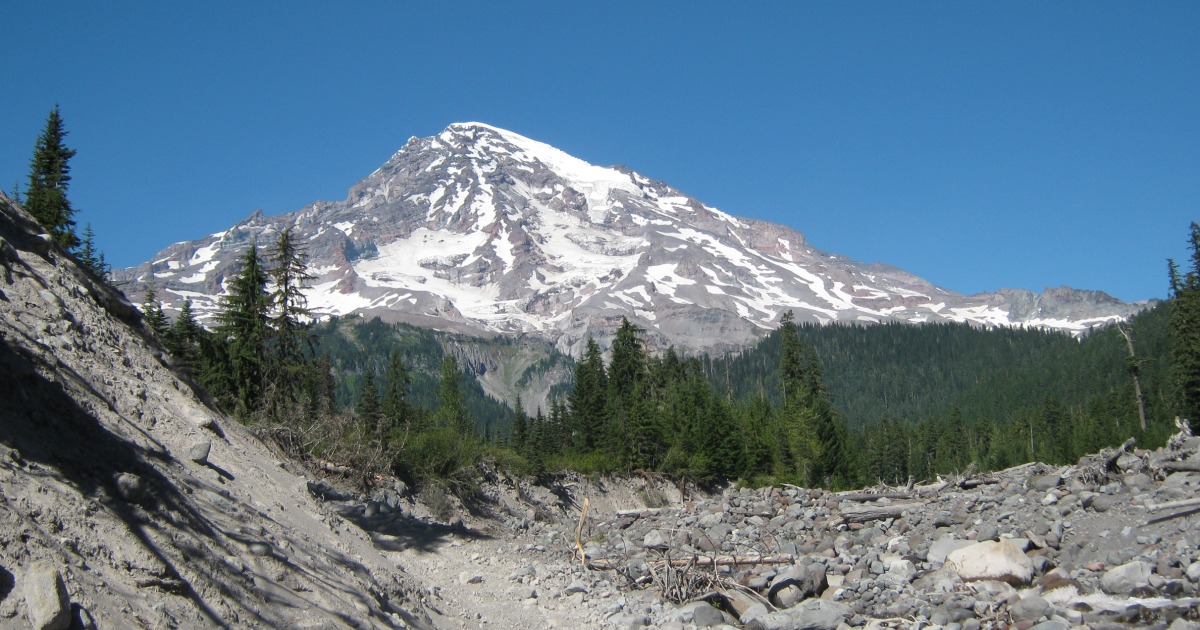
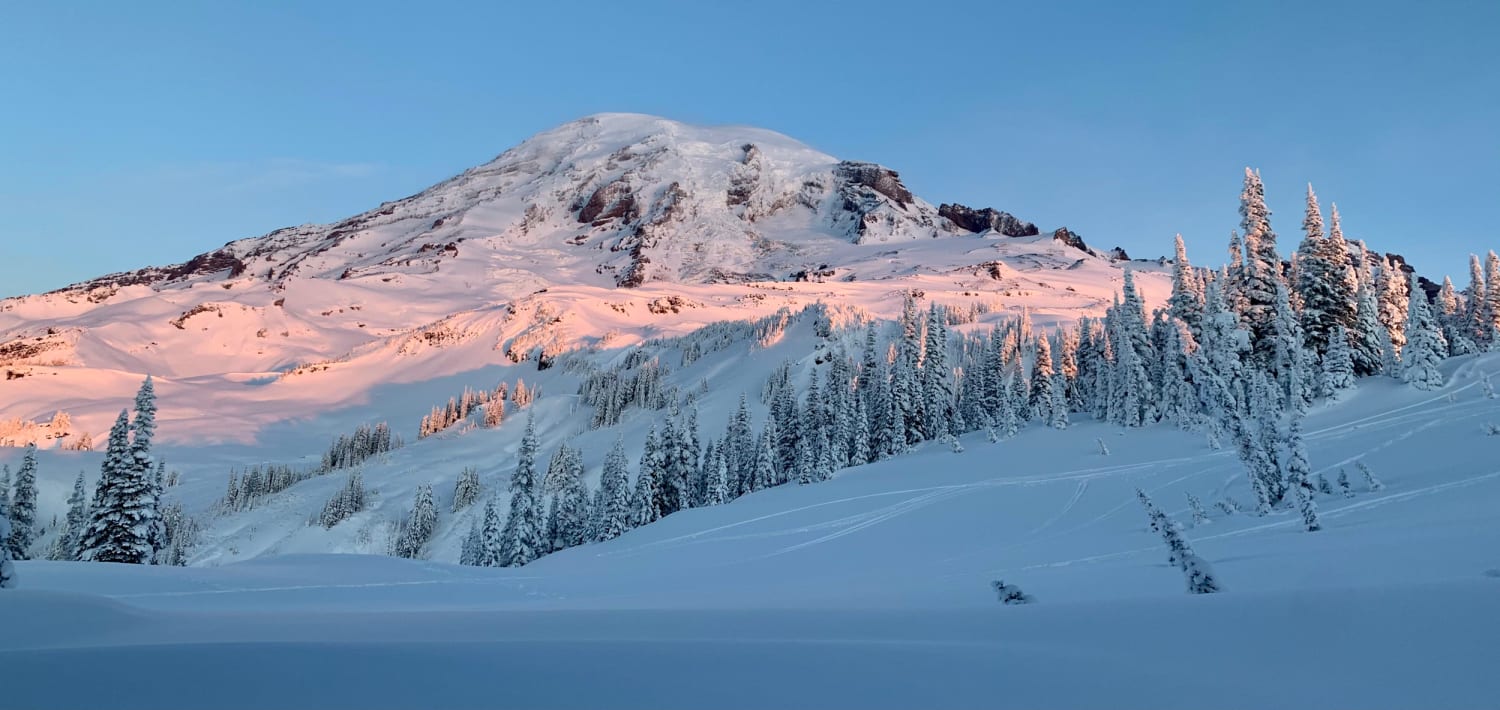
Mount Rainier is the most glaciated peak in the lower 48 states, and its slopes contain more ice than all the glaciers covering the rest of the Cascade Range mountain peaks combined, Beason said.
The mountain’s summit is about 60 miles from Seattle and dominates the city’s skyline on clear days. Draw more than 2 million visitors each year. For much of the year, its glaciers are covered in fresh snow. Glacier ice is exposed in the summer when the snow melts.
The park’s glaciers, defined as persistent, moving bodies of ice, have been mapped for 125 years, with a first inventory completed in 1896, according to the Mount Rainier Glacier Report, which summarized centuries of research on the extent of the glaciers. glaciers in the country. park.
The report, which listed 28 glaciers by 2021, found that their mass has decreased by nearly 52% since 1896. Mount Rainier’s area covered by glaciers fell from nearly 50 square miles to just over 29 square miles, a decline of nearly 42%.
The National Park Service officially removed Stevens Glacier from its inventory because it had become too small and there was no evidence that the ice was flowing, for example with cracks.
The report says two other glaciers, the Pyramid and Van Trump glaciers, lost 34% and 43% of their volume between 2015 and 2021. Park researchers concluded they were “in serious danger”.


