

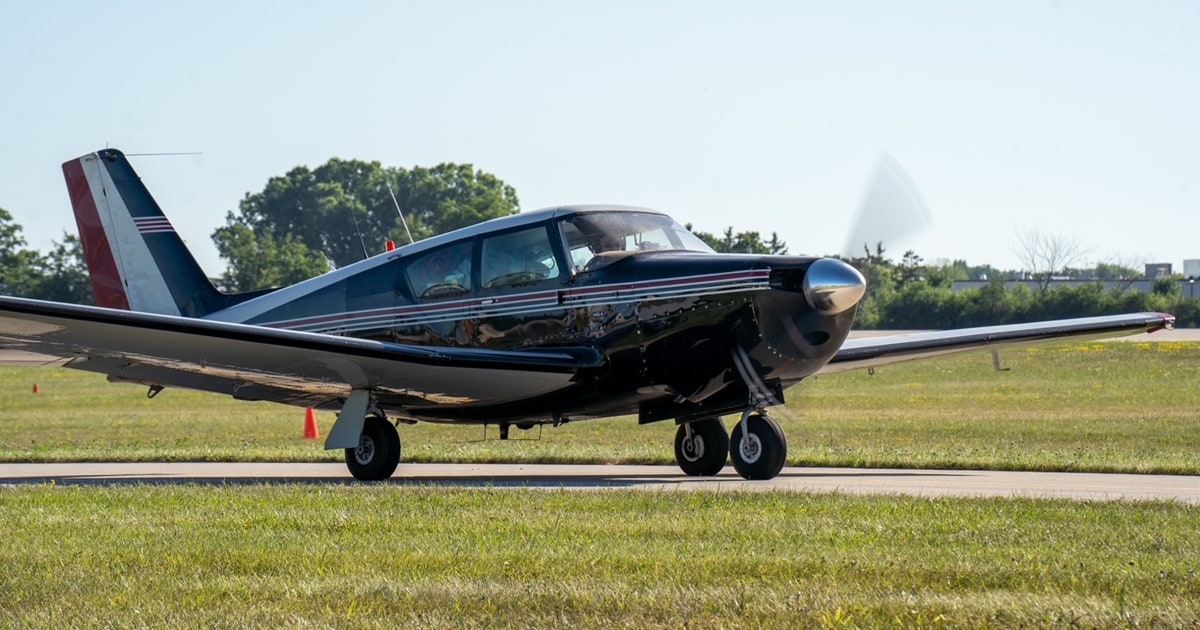
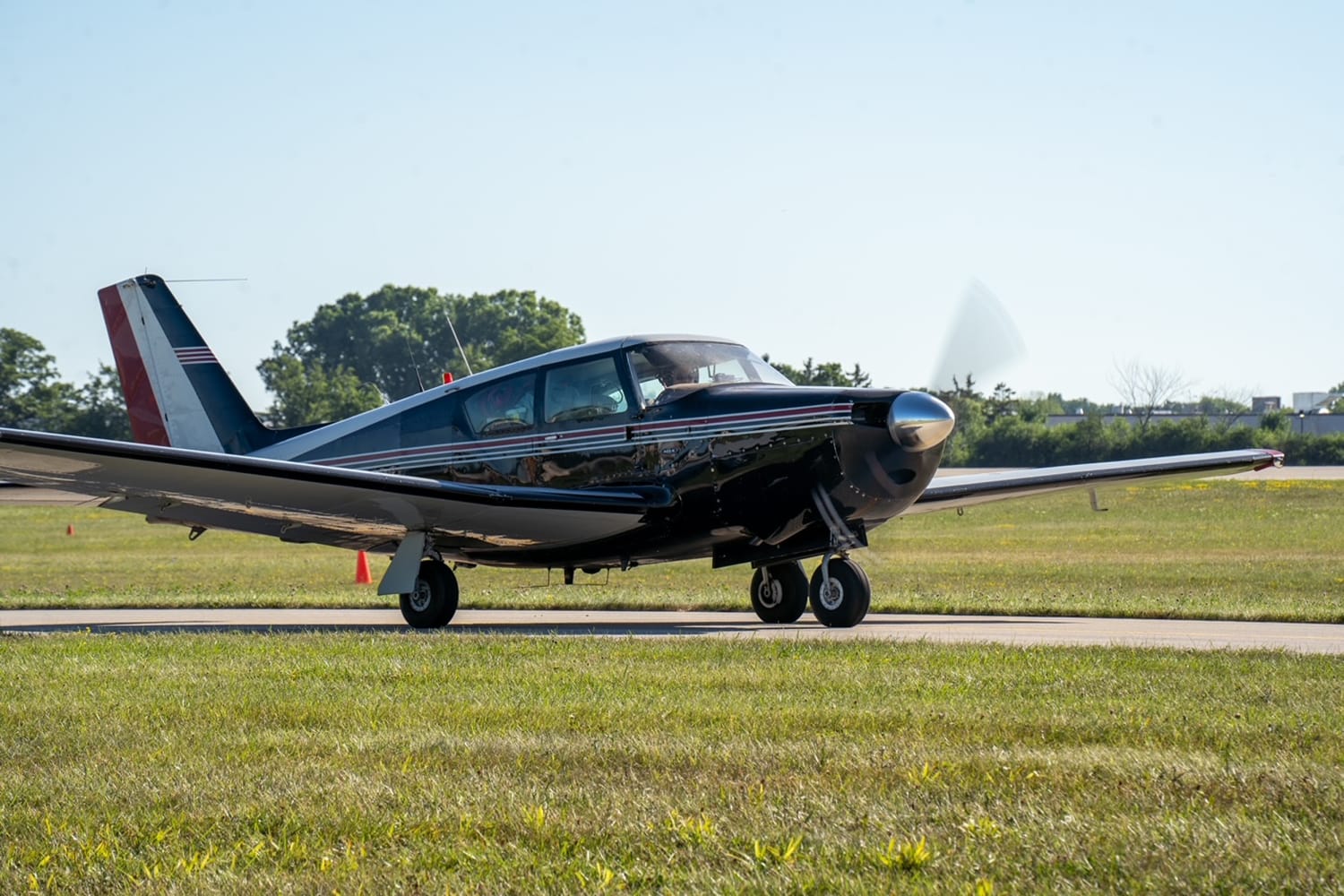
The day Kim learned that the Supreme Court had struck down Roe v. Wade and, with it, the United States’ constitutional right to terminate a pregnancy, she knew she had to do something, she said. On June 24, 2022, she searched online for organizations that help those on the brink of losing abortion access in their states and found Elevated Access.
Kim became a volunteer with the nonprofit organization, which helps fly women who need to travel out of state for legal abortions.
Elevated Access was about to launch last May amid abortion restrictions in several states, when news leaked that the Supreme Court was set to overturn Roe v. Wade, so they had to speed up the process. Since then, they have not stopped, Fiona, a spokesperson for Elevated Access, told Telemundo News.
The network is made up of about 350 volunteers: aircraft pilots, ground staff and people from organizations that provide related support. For security reasons, it does not give the full names of the staff and they do not give exact figures on how many people they have transported or where they have flown to, Fiona said.
The flights are free for female passengers seeking an abortion, saving them hundreds of dollars and days of travel.
According to Fiona, many women, especially those in service jobs with fewer financial resources, don’t get days off from their jobs. Most are already mothers, she said, and cannot afford childcare or have someone to care for their children for an extended period of time.
For their own protection, pilots know as little information as possible about the people they are carrying.
In private aviation, identity verification is not necessary, the founder of Elevated Access he said in an NPR interview. “There is no ticketing or TSA or anything like that. If someone feels they need to use a fake name, they’re definitely welcome to,” the founder, who goes by Mike, said in the interview.
‘This is my people’
Michelle, a young Latina volunteer pilot, said she fell in love with aviation after graduating college and decided to become a flight attendant before going to graduate school. She fell in love with flying and became an instructor.
The profile of the typical woman seeking assistance from Elevated Access is “a woman of color, already a mother, low-income,” Fiona said. Many of the passengers had never been on a plane before.
For Michelle, those factors make her volunteer work even more important, because she feels she can relate to passengers as a woman and as a Latina; she can speak to them in her language and help them feel more at ease, she said.
“For me, helping these people, I also see my mom there. She would have wanted someone to help her if she had been in this situation,” Michelle said.
“This is my community, these are my people,” said the pilot. “And I never expected to have such a direct role in helping them.”
Not everyone in Michelle’s family knows that she volunteers with Elevated Access, but those who do “are very proud,” she said. Her mother did worry about her when she found out, Michelle said.
Restrictions on reproductive rights disproportionately affect Latina women, according to a study from the University of California Los Angeles published in December. This is because a large portion of them are of reproductive age compared to women of other races or ethnicities, even in states that have restricted abortion.
About 46% of Latinas of childbearing age, more than 5 million Latinas, live in states that restrict reproductive rights, according to UCLA sociologist Josefina Flores Morales, lead author of the study.
aggravating situations
Access to an abortion may be more difficult for people who do not have legal immigration status, do not speak English, or are victims of domestic violence or abuse.
“It’s not like they can just go and tell their abuser what they’re going to do,” said Fiona, the spokeswoman.
Fiona said a woman they helped did not have her birth certificate or identification papers because her abuser had destroyed them, according to the woman.
In another case, Elevated Access helped a woman fleeing an abusive situation. When someone from a sister organization came to help her pack up and leave her house, she noticed that the woman was carrying a portable cooler that seemed to move.
The woman explained that she was bringing an additional passenger, her cat, because she said she did not know “what his abuser could have done to his cat if he had left it at home with him,” Fiona said.
Kira, Elevated Access Flight Coordinator, helped with logistics that day and shared the experience on social networks, calling it one of his favorite stories. She recounted that they helped the woman move out, even though all they had to do was help her with an abortion appointment.
“None of us would want to be a part of this organization, because in a just world we wouldn’t have to be doing this,” Michelle said. “But until things get fixed, until things change, hopefully in the future, for the better, we’re here to serve the community.”


