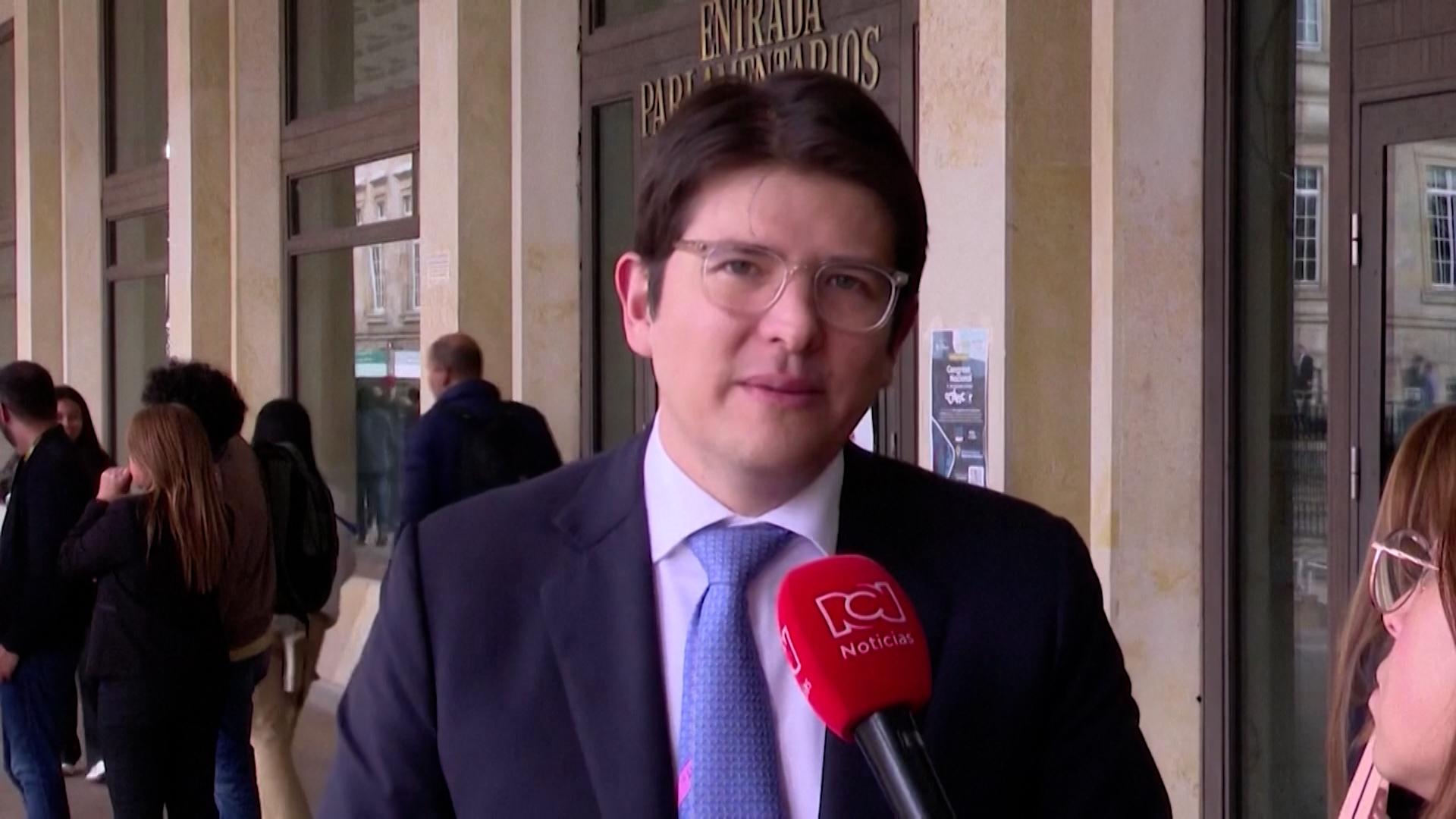
The political scene in Colombia has been dramatically impacted by the assassination of Senator Uribe, whose impact stretched far beyond his position in the legislative assembly. His demise has triggered a surge of political instability and conjecture about the potential effects this tragic incident may have on the nation’s forthcoming presidential election. Although Colombia has faced political violence throughout its contemporary history, the murder of such a prominent legislator occurs at an exceptionally turbulent time, with the nation already profoundly split over matters of security, the economy, and the peace negotiations with armed factions.
Senator Uribe, an experienced politician with a dedicated following, established his career on firm stances regarding national security, anti-corruption efforts, and rural progress. Throughout the years, he turned into a political symbol for supporters viewing him as a protector of legality and stability, and a point of contention for detractors who claimed he was excessively strict in particular policy domains. His political influence implied that his support or disapproval could influence major voting groups, rendering his opinion especially impactful in the intense buildup to the presidential election.
The killing has ignited a new wave of political discourse, with parties across the spectrum seeking to frame the event to their advantage. For some candidates, Uribe’s death serves as a stark reminder of Colombia’s enduring struggles with violence, prompting calls for more aggressive crackdowns on organized crime and insurgent groups. Others are using the moment to stress the need for unity, dialogue, and strengthening democratic institutions to prevent further instability.
Public reaction has been swift and emotionally charged. Vigils and demonstrations have taken place in major cities, where citizens express grief, anger, and fear about the implications of the assassination. In rural areas—where Uribe had built a strong base of support due to his advocacy for agricultural development—the sense of loss has been especially palpable. For many Colombians, this killing has stirred painful memories of past decades when political assassinations and targeted killings frequently destabilized the government and derailed reform efforts.
Political experts caution that the murder might alter voter priorities in unforeseen ways. Concerns about safety, which were already significant for many, are now expected to overshadow the national dialogue. This situation could favor candidates who present themselves as being firm on crime and military disputes. Nonetheless, it might also heighten distrust in governmental bodies if the inquiry into the death is viewed as delayed, insufficient, or subject to political manipulation. Within Colombia’s divided setting, these perspectives might cause more voter apathy or even lead to civil disturbance.
International observers are watching closely, as the outcome of Colombia’s election will influence regional stability and foreign policy in Latin America. The United States, European Union, and neighboring countries have condemned the killing and called for a transparent investigation. Colombia’s role as a strategic partner in combating drug trafficking and as a key player in regional economic agreements means that political instability there could have ripple effects beyond its borders.
Behind the scenes, campaign strategies are being rapidly recalibrated. Candidates who previously counted on Uribe’s endorsement or influence now face the challenge of capturing his supporters without appearing opportunistic. For others, the vacuum left by his absence presents an opening to shift the political conversation toward their preferred issues, whether that be economic reform, social policy, or the environment.
The inquiry regarding the murder remains in its initial phase, though officials have proposed several potential reasons, including retaliation by organized crime and political vengeance. Colombia’s extensive background of overlapping political, criminal, and paramilitary influences complicates the discovery of the truth, turning it into a potentially disputable endeavor. Every new piece of information can influence public sentiment and shift electoral dynamics in the upcoming weeks and months.
For voters, the assassination serves as both a political and personal turning point. Many are reflecting on the broader implications of political violence in their country—how it shapes governance, affects citizen trust, and impacts everyday life. While political rhetoric may intensify in the coming campaign season, there is also a growing chorus of voices calling for reforms aimed at protecting public officials, strengthening the judiciary, and addressing the root causes of violence.
In the future, analysts might view the assassination of Senator Uribe as a critical point in Colombia’s political journey, representing either progress toward enhanced democratic stability or an increase in division and chaos. The path that the nation chooses will be influenced by the reactions of political figures, organizations, and the public—not only immediately after the incident, but also in the strategies and outlooks that emerge post-election.
As the presidential election approaches in Colombia, the void left by one of its most impactful political leaders will be profoundly noticeable. It is uncertain whether his passing will inspire the electorate to pursue peace and unity more vigorously or push the country deeper into political division. What is definite is that the assassination of Senator Uribe has permanently changed the electoral landscape, guaranteeing that this election will be noted not just for its results but also for the overshadowing sorrow during its proceedings.