

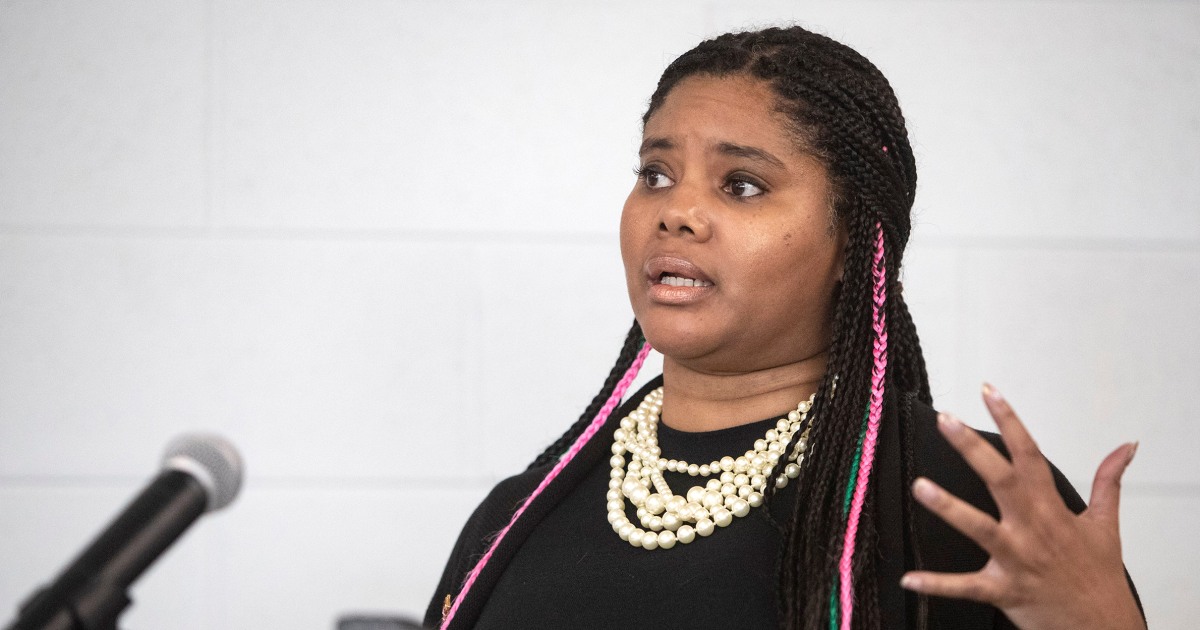
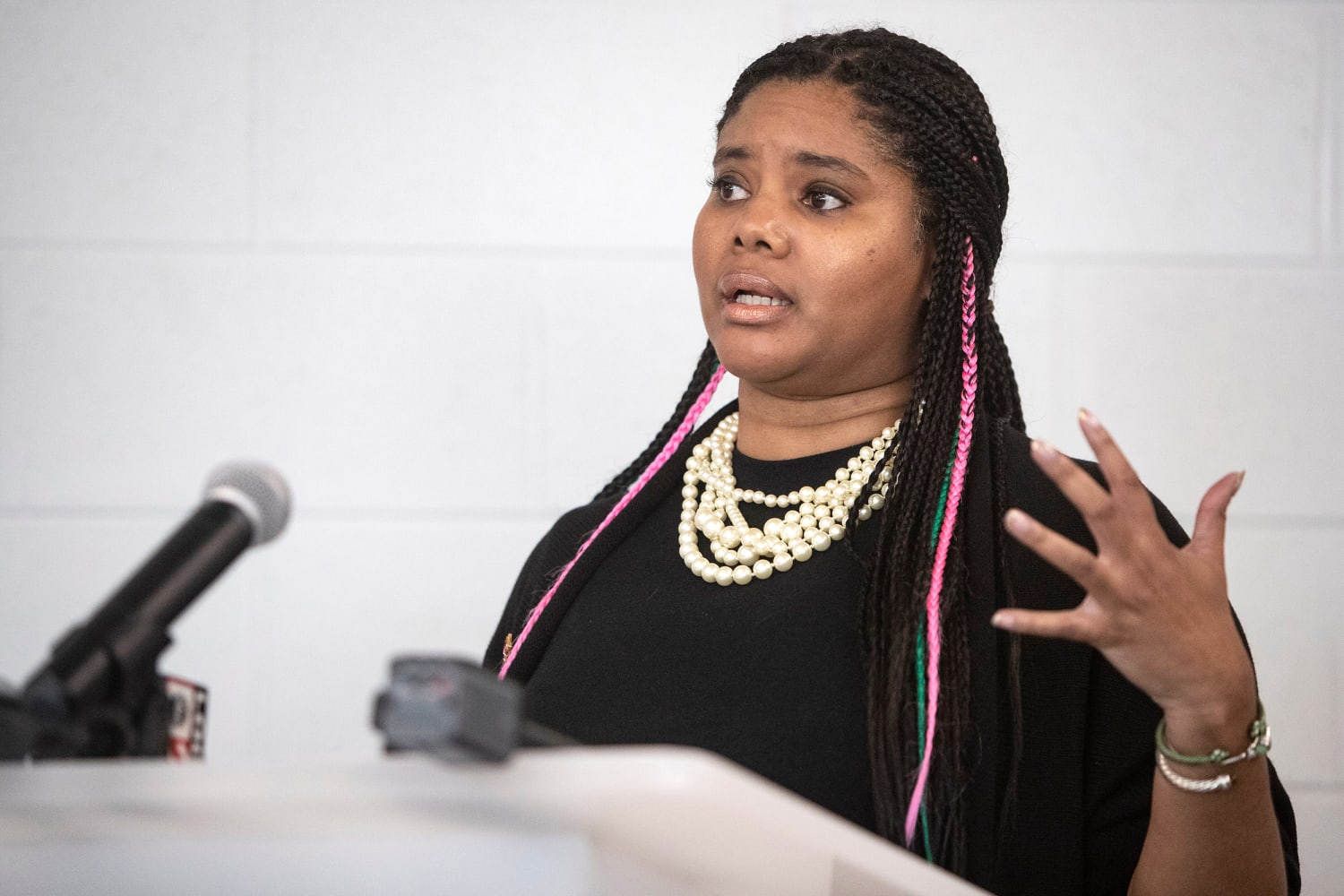
Officials in Tennessee’s largest county, which includes Memphis, voted Wednesday to consider reparations for descendants of enslaved people, adding to a growing list of state and local governments considering or launching similar programs.
The Shelby County resolution will allocate $5 million to study and find “actionable items” that address five key areas: increased access to affordable housing and homeownership, health care parity, criminal justice reform, improved career opportunities, and education financial and generational wealth.
The resolution passed overwhelmingly with the support of the eight black members of the 13-member Board of County Commissioners, coming on the heels of widespread outrage over the beating death of Tire Nichols, who was killed by Memphis police officers last month. past.
His name, which was invoked repeatedly during the commissioners’ lengthy hearing Wednesday afternoon, serves as a reminder of persistent racism and inequities, several commissioners said.
“Five million dollars will not correct the wrongs of the past,” Commissioner Miska Clay Bibbs said. “My people are dying daily. That’s why I support this.”
But Commissioner Mick Wright, who voted against the resolution, said the county is $5 million short of paying for the study and developing a framework to implement it.
“We don’t have $5 million available to us, we were actually in the negative in November,” he said.
Boston officials this month named 10 members to their new Reparations Task Force, which was created to study the lasting impact of slavery in Boston. The city formally apologized in June for his role in the transatlantic slave trade.
Evanston, Ill.; Asheville, North Carolina; St. Paul, Minnesota; and other municipalities are making similar efforts.
In 2020, California became the first state to adopt a law paving the way for descendants of enslaved people to receive reparation payments. The working group launched a 500 pages report from last year detailing the harm suffered by the descendants of enslaved people and how federal, state, and local laws, public officials, and courts were actively involved in maintaining systemic racism in all facets of African-American life.
The California Task Force to Study and Develop Remedies for African Americans, which Governor Gavin Newsom created in 2020recommended a long list of actions the state can take to address the racial wealth gap, including instituting housing reforms, reducing mass incarceration, creating a state-subsidized mortgage program for qualified African-Americans, and offering free tuition to California colleges and universities and expanding scholarship opportunities.


