

WASHINGTON — The Supreme Court ruled Thursday against the Navajo Nation over claims that the federal government has failed to affirm the tribe’s desperate need for water access.
The justices, split 5-4, said a lawsuit the tribe filed against the federal government should be dismissed.
Writing for the majority, Justice Brett Kavanaugh said that the 1868 treaty between the Navajo Nation and the US government did not require the latter to take active steps to ensure access to water.
“And it is not the role of the judiciary to rewrite and update this 155-year-old treaty,” he added.
Conservative Justice Neil Gorsuch joined the three Liberal Justices in disagreement.
The tribe was simply asking the federal government to identify its water rights and was not seeking further clampdowns, Gorsuch wrote.
As they have had to do in the tribe’s difficult history, “they must once again fight for themselves to secure their homeland and all that must necessarily come with it,” he wrote.
Gorsuch added that the tribe can still weigh in on ongoing litigation over water rights.
“After today, it is hard to see how this court (or any court) could again fairly deny a request by the Navajo to intervene in a dispute over the Colorado River or other water sources to which they might have a claim.” , wrote. .
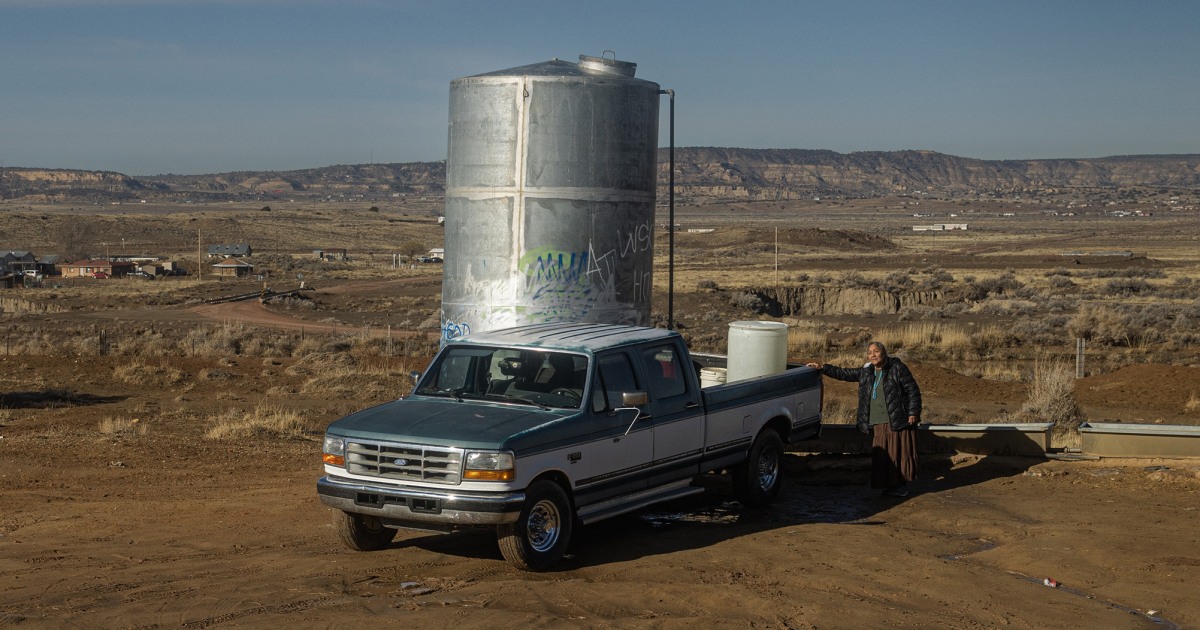
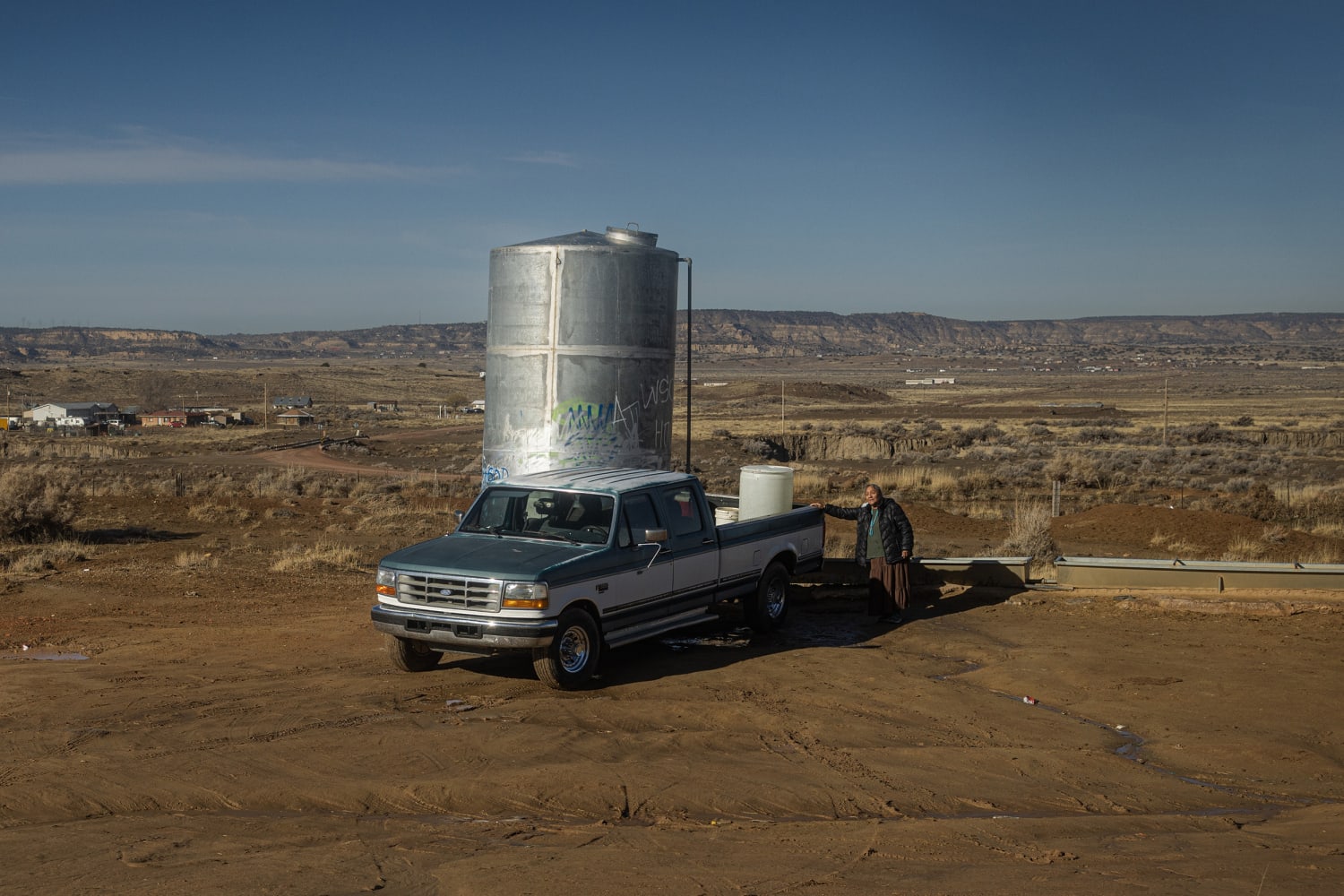
The lack of water and infrastructure to channel it across the vast expanse of the 17-million-acre preserve, larger than the state of West Virginia, straddling Arizona, New Mexico and Utah, continues. being one of the biggest challenges facing the Navajo. leaders
They say the federal government reneged on its promises and left tribesmen to suffer on barren lands, even as the Colorado River runs directly along the reservation’s border and provides water to surrounding states.
The case touches on the complex series of agreements and court decisions that for decades have dictated how the waters of the Colorado River, divided into upper and lower sections, are distributed among the states. To further complicate matters, the Colorado River system is already depleted due to long-term dry conditions, and the long-term threat of climate change looms in the future.
The tribe wants water rights to the lower Colorado River that flows along the northwest border of the Navajo reservation.
The court, which has a 6-3 conservative majority, heard two consolidated appeals, one filed by the federal government and another for the states of Arizona, Nevada and Coloradoplus several California water districts.
The dispute is over whether the government had a legal duty that the tribe can enforce in court. The tribe, which signed the key treaty with the federal government in 1868, argues that under its agreements with the federal government that ensured it would have access to land, the government was also supposed to have a duty to ensure it had water. necessary.
The Biden administration and the three states appealed after the San Francisco-based U.S. Court of Appeals for the Ninth Circuit ruled in favor of the Navajo Nation in 2021, saying it could sue the government for an alleged breach of its rules. duties on behalf of the tribe. .
The tribe argues that it is not seeking a decision on rights to the lower Colorado River specifically. Instead, his lawyers say the federal government’s oversight of the entire Colorado River, as well as his duties to the tribe, means he must conduct a full assessment of the Navajo Nation’s water rights, which may affect how in which water from the Colorado River The river is allocated.
Colorado lawyers said in the state’s brief that a ruling in favor of the tribe would cause “immediate and long-term disruptions in the coordinated management of the Colorado River.”
The states say they are already implementing a 2007 agreement on water scarcity, as well as a drought contingency plan adopted in 2019.
The Navajo Nation can access water from other sources, including the San Juan River, a tributary of the Colorado River, but the tribe says that’s not enough. Many tribal members do not have access to running water and rely on wells and other localized water sources.
The tribe originally sued the federal government in 2003 seeking access to the main branch of the lower Colorado River, and litigation has continued ever since. In separate litigation in state court, the tribe has fought over access to the Little Colorado River, another tributary of the Colorado River.
An earlier attempt to settle Navajo claims to the lower Colorado River failed about a decade ago.


