

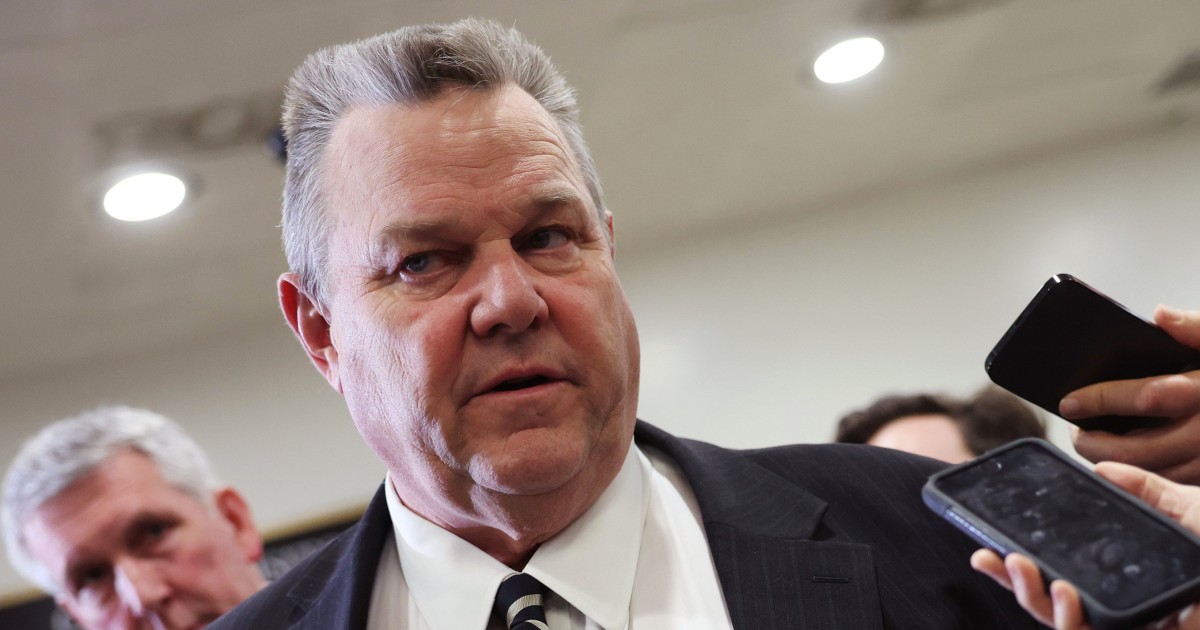
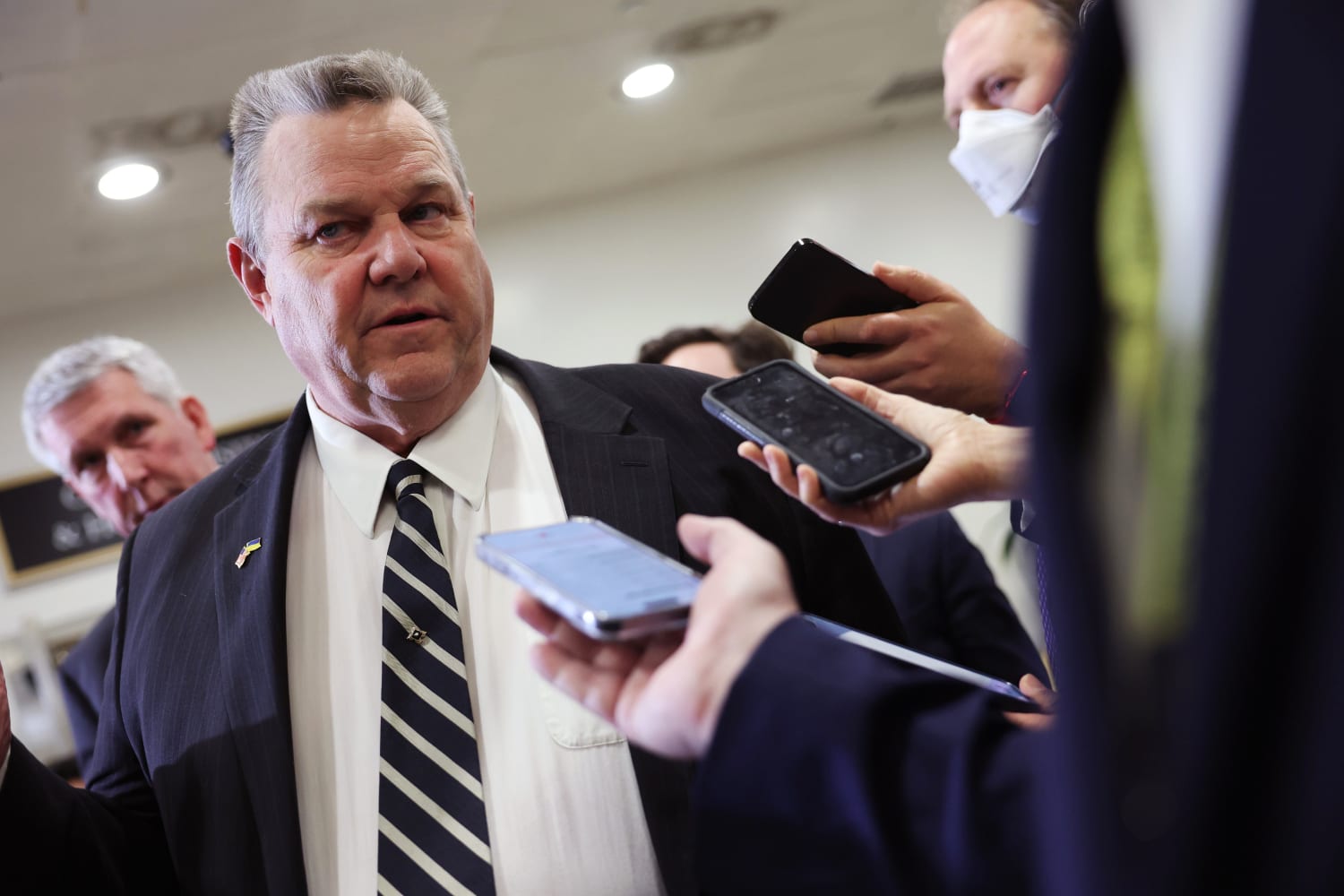
Sen. Jon Tester, D-Mont., announced Wednesday that he will run for re-election, a move that comes as Democrats seek to retain their slim majority in the Senate in 2024.
“Montanans need a fighter to hold our government accountable and demand that Washington defend Veterans and lower costs for families,” Tester tweeted Wednesday. “I will always fight to uphold our Montana values. Let’s get to work.”
Tester, 66, was first elected in 2006 and survived multiple election cycles in the Republican-leaning state of Montana, which then-President Donald Trump won by about 16 points in the 2020 presidential election.
Tester’s announcement comes after he told NBC News earlier this month that he was not yet determined to run for re-election in 2024. The Montana senator said at the time that he “had a few things to think about.” and declined to provide a timeline for its decision other than sometime this year.
“In the end, in the end, I have a farm that has been in the family for over 100 years,” he said.
“We have to make sure that is resolved. We have to make sure that we have thought through all the procedures of what will happen in the next eight years. So once we’re done with that, we can go down and make a decision,” he added.
Tester expressed concern about the future of the Democratic Party after the midterm elections in November.
In an interview on NBC News’ “Meet the Press” in December, Tester said he believes his party’s “very bad” messaging cost them support in rural America in the midterm elections. The Montana senator suggested that Democrats should focus their messaging “more on the things we’re doing for rural America.”
Tester said he doesn’t think Democrats will talk about their accomplishments in a way that appeals to rural voters “almost enough,” pointing to the bipartisan infrastructure bill that Congress passed in 2021.
“It’s going to help rural America a lot, when it comes to broadband and power distribution, highways and bridges. We don’t talk about it,” Tester said on “Meet the Press.” “We don’t talk about it from a rural perspective.”


