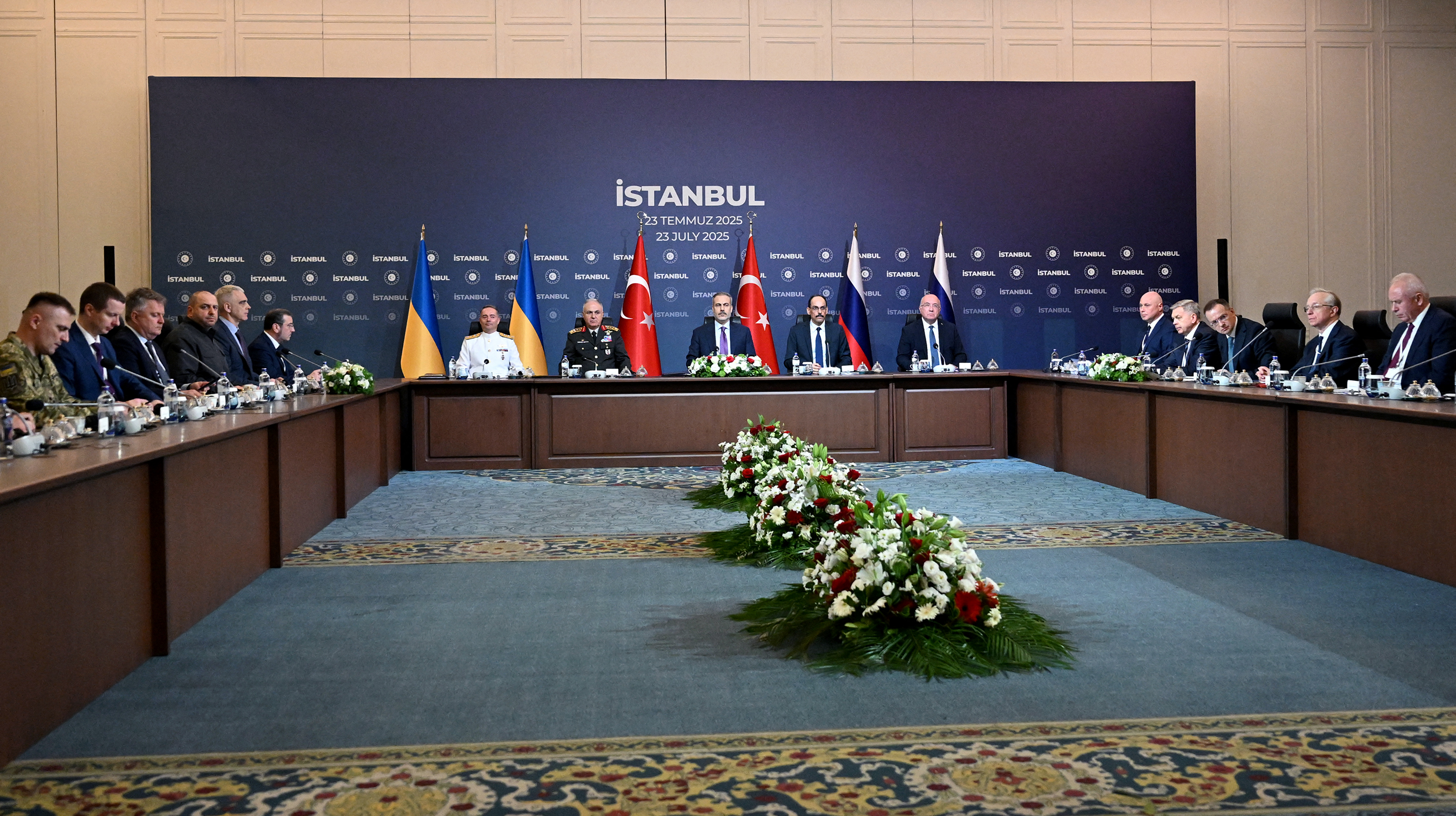
A recent prisoner swap between Russia and Ukraine has been finalized, signaling a rare moment of collaboration between the two countries amidst the ongoing stalemate in official discussions. Although the liberation of captives has been positively received by both parties, the broader dialogues in Istanbul are largely stagnant, showing limited indications of a meaningful diplomatic advance.
The exchange of prisoners represents one of the rare points of agreement between Moscow and Kyiv since the extensive conflict began. In this most recent swap, both nations returned multiple individuals who had been imprisoned. Such exchanges typically involve military members and sometimes civilians accused of spying or assisting adversaries. Families from both nations have shown relief and thankfulness despite the ongoing unresolved larger geopolitical issues.
Although these collaborative efforts exist, the discussions in Istanbul — occasionally acting as a neutral location for both Russian and Ukrainian delegates — have resulted in scant advancement on crucial topics like territorial disagreements, ceasefire pacts, and humanitarian corridors. Analysts note that both parties are still firmly holding their stances, with Ukraine demanding the reinstatement of its complete territorial sovereignty and Russia upholding its assertions over annexed territories.
The significance of prisoner exchanges should not be underestimated, especially in the context of a prolonged and grinding conflict that has had devastating effects on soldiers and civilians alike. These gestures, while small in comparison to the overall scope of the war, serve a dual purpose: they alleviate individual suffering and demonstrate that limited channels of dialogue remain open.
In recent months, the humanitarian aspect of the war has drawn increasing attention. Thousands of families across Ukraine and Russia continue to seek information about missing relatives. International humanitarian organizations have pushed both governments to expand the use of neutral mediators to facilitate future swaps and provide clarity on the fate of those still unaccounted for. The latest prisoner exchange has renewed calls for greater transparency and coordination through international bodies.
Nevertheless, the larger diplomatic impasse casts a shadow over these humanitarian successes. Negotiators in Istanbul have failed to make headway on any of the critical issues that could lead to a cessation of hostilities. Each round of talks appears to reiterate positions rather than bridge them. Some analysts argue that these negotiations serve more to test the willingness of the other side than to reach consensus, with both Russia and Ukraine using the platform to send messages to the international community.
Kyiv has consistently stressed that a resolution cannot be achieved without dealing with the issue of reclaiming occupied areas, especially Crimea and parts of eastern Ukraine now under Russian occupation. On the other hand, Moscow persists in demanding that these areas be acknowledged as Russian, a request that Ukraine has flatly refused. This stalemate has generated doubt about the effectiveness of current dialogue initiatives.
Turkey, which hosts the Istanbul talks, has positioned itself as a mediator seeking to foster dialogue while maintaining ties with both countries. Turkish officials have urged a de-escalation of hostilities and have been active in brokering earlier deals, such as agreements on grain exports through the Black Sea. However, even Turkey’s efforts appear limited in the face of the strategic and ideological divide between the warring parties.
In the meantime, the situation on the ground remains volatile. Fighting continues along multiple frontlines, with heavy casualties reported in contested areas. Both Russia and Ukraine are engaged in active military operations, further complicating any push toward a negotiated settlement. As each side seeks to gain leverage on the battlefield, the possibility of meaningful diplomatic progress becomes more remote.
The international community continues to urge a peaceful resolution, with various countries and organizations calling for renewed efforts at diplomacy. However, these calls have yet to be matched by tangible developments at the negotiating table. While prisoner exchanges reflect a sliver of cooperation, they fall far short of addressing the war’s root causes or paving the way toward peace.
Ultimately, the path forward remains uncertain. The continued exchange of prisoners may help maintain a minimal level of dialogue, but it is unlikely to break the deadlock on the more substantive issues. For now, the Istanbul talks appear to be a venue for managing the optics of diplomacy rather than driving its substance.
As long as both Russia and Ukraine do not reach a foundation for agreement — or external influences change the circumstances — the chances for a negotiated resolution remain slim. Meanwhile, humanitarian actions such as prisoner swaps provide temporary relief amid the sustained challenges of war, reminding us that even in times of conflict, shared humanity can sometimes surpass political stalemate.