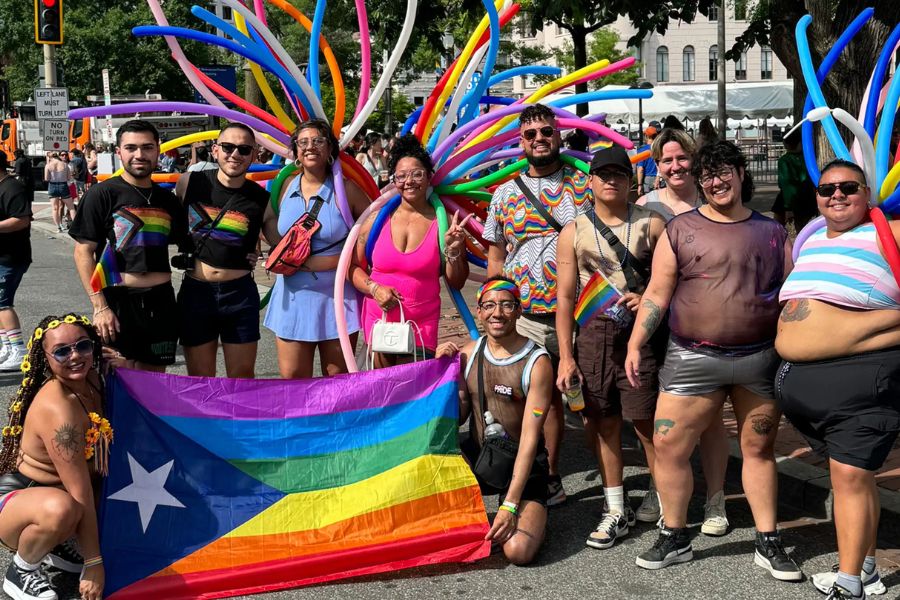
In a landmark decision celebrated by human rights organizations, a court in Saint Lucia has reportedly nullified legislation that criminalized consensual same-sex relations. According to advocacy groups following the case, the ruling marks a pivotal moment for LGBTQ+ rights in the Caribbean island nation and signals a broader trend toward dismantling colonial-era laws still in place across the region.
The lawsuit presented to the High Court contested the sections of the Criminal Code that punished activities labelled as «gross indecency» and «buggery» — archaic words once used to refer to consensual sexual relations between men. These laws, leftovers from British colonial governance, included possible imprisonment and were condemned for fostering stigma, discrimination, and anxiety among LGBTQ+ people in Saint Lucia.
Although prosecutions under these laws have been rare in recent years, their continued presence in the legal code represented a significant barrier to equality, activists argue. The recent ruling effectively removes this legal justification for discrimination, providing a measure of relief and recognition for LGBTQ+ Saint Lucians who have long lived under the shadow of criminalization.
The appeal was submitted with the backing of local and regional advocacy groups, highlighting that these laws infringed on fundamental human rights, such as the rights to privacy, dignity, and protection from discrimination, as stated in Saint Lucia’s Constitution. The court’s ruling is perceived as a judicial recognition that laws prohibiting same-sex relationships are not compatible with constitutional safeguards.
Though the government has yet to make an official public statement regarding the ruling, rights groups say the decision is binding and will prevent future enforcement of the repealed statutes. Legal experts note that while court rulings do not automatically guarantee cultural or social acceptance, they play a crucial role in setting legal precedent and affirming the rights of marginalized groups.
Throughout the Caribbean, there have been comparable legal struggles in recent times. Judicial systems in Belize, Trinidad and Tobago, and Antigua and Barbuda have overturned similar statutes, igniting initiatives for wider decriminalization campaigns. Nevertheless, several nations in the area continue to uphold laws that penalize same-sex relations, frequently based on legal structures from the 19th century colonial era.
Supporters in Saint Lucia are optimistic that the decision will provide legal safeguards while also encouraging a more inclusive and respectful atmosphere. Numerous individuals highlighted that the decriminalization of same-sex relationships is a move towards tackling wider challenges, such as violence, social marginalization, and obstacles to healthcare and job opportunities that LGBTQ+ people often face.
International human rights organizations expressed approval of the court’s ruling, highlighting it as a triumph for fairness and human worth. They also called on the government of Saint Lucia to continue advancing the protection of LGBTQ+ individuals by implementing public education campaigns and enacting legislative changes to more thoroughly tackle discrimination.
Although the judgment has been made, obstacles are still present. In multiple regions of Saint Lucia, societal views about LGBTQ+ individuals continue to be traditional, influenced by religious and cultural norms. Advocates emphasize that changes in law should be accompanied by public conversations and learning to bring about significant societal transformation and guarantee that the rights acknowledged in court are upheld in daily life.
Legal experts have noted that judgments like this illustrate the changing function of courts in defining constitutional rights today. By basing their rulings on human dignity and equality, judges are progressively acknowledging that laws discriminating against individuals due to sexual orientation are unacceptable in a democratic society.
The ruling from the court underscores the influence of legal advocacy in achieving justice for communities facing marginalization. The favorable outcome of the case in Saint Lucia was achieved thanks to the coordinated efforts of civil society organizations, attorneys, and activists who collaborated to record damages, rally public backing, and argue a persuasive constitutional case.
Observers note that the case may have a ripple effect, inspiring similar legal challenges in other Caribbean countries where anti-LGBTQ+ laws remain on the books. As legal norms evolve and international scrutiny increases, governments may be compelled to reevaluate laws that conflict with human rights standards and constitutional principles.
For Saint Lucia, the court’s decision represents a step forward in aligning its legal system with contemporary understandings of equality and personal freedom. It also sends a message to LGBTQ+ individuals in the country: that their identities are not crimes, and that they are entitled to the same legal protections as every other citizen.
Although the journey to complete equality is still unfinished, this legal win lays a cornerstone for further extensive reforms. Through ongoing advocacy and public participation, Saint Lucia now has the chance to set a precedent in advancing human rights and dignity for everyone, irrespective of sexual orientation.