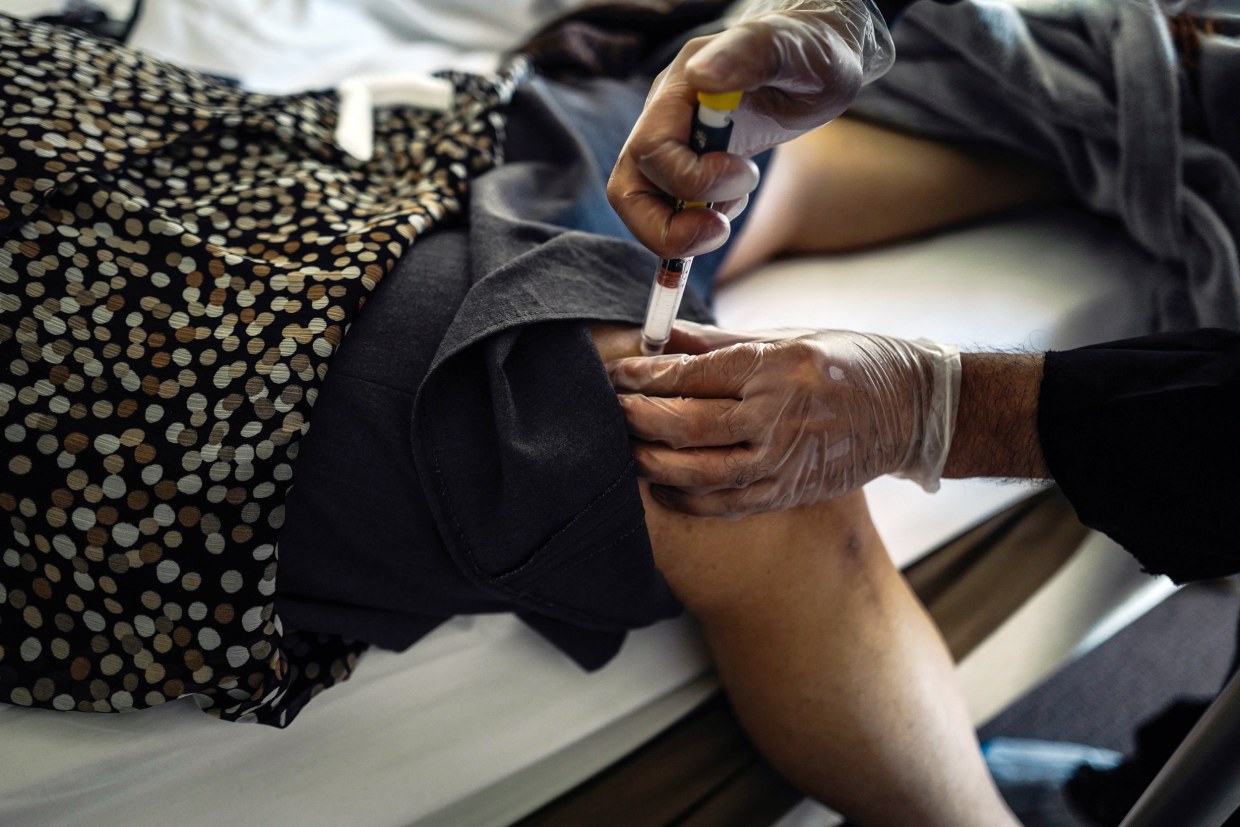
A recent withdrawal of injectable penicillin has caused concern among public health authorities, healthcare practitioners, and community groups devoted to managing sexually transmitted diseases. The withdrawal, impacting a particular batch of injectable penicillin primarily used to treat syphilis, might hamper the recent advances in fighting an illness that has alarmingly re-emerged in recent years.
Penicillin G benzathine, commonly known by the brand name Bicillin L-A, is the gold-standard treatment for syphilis, particularly in pregnant individuals, where it plays a critical role in preventing congenital syphilis—a condition passed from mother to baby during pregnancy. The safety and effectiveness of this injectable antibiotic make it the first-line therapy recommended by global health organizations, including the World Health Organization (WHO) and the Centers for Disease Control and Prevention (CDC).
The ongoing recall, prompted by possible concerns with the sterility of products or the integrity of packaging, has caused interruptions in supply chains at a critical moment. Over the past few years, various areas, including multiple states in the U.S., have seen an increase in syphilis incidents. Access to dependable penicillin has played a key role in addressing these surges. However, with limited supplies, some medical professionals are finding it challenging to uphold treatment guidelines, particularly in community health centers and rural locations that depend significantly on public health initiatives.
While alternative antibiotics exist, none are as universally effective as injected penicillin, particularly for certain stages of the disease or for pregnant patients. Oral regimens, for instance, require prolonged administration and are not always suitable for all patient groups. Moreover, switching to alternatives can create logistical and adherence challenges, particularly in vulnerable populations.
Healthcare services are currently under pressure as they try to allocate the available supplies. Public health agencies have released directives that emphasize the treatment of high-risk situations, particularly for expectant individuals and those with either primary or secondary syphilis. The purpose of these actions is to lessen the most severe outcomes of untreated infections—neurological issues, heart damage, and transmission from mother to child during pregnancy.
The timing of this disruption is particularly critical. After decades of decline, syphilis has reemerged as a public health concern in many countries. In the United States, reported cases have increased dramatically in the past decade, with rates of congenital syphilis—syphilis transmitted from mother to fetus—reaching levels not seen in over 20 years. The reasons for this resurgence are multifaceted: reduced access to sexual health services, social determinants such as poverty and housing insecurity, and decreased public awareness all contribute to the trend.
Now, with the recall constraining one of the most effective tools for treatment, experts warn that recent progress could stall or even reverse. Some health professionals are concerned that this setback could lead to higher rates of transmission, especially in underserved communities where access to timely care is already limited.
Due to the recall, health organizations are securing different supplies and optimizing distribution in the most impacted regions. Producers are also being urged to swiftly address quality control challenges and restart production. Meanwhile, medical professionals are advised to examine the revised treatment guidelines and prioritize patients according to the severity of their condition.
Medical societies have expressed frustration over the lack of a coordinated national response to the recall. Some are calling for increased investment in domestic drug manufacturing to prevent future shortages of essential medications. Others argue that a broader reevaluation of how critical treatments are produced and distributed is necessary to ensure healthcare systems are resilient in the face of such disruptions.
At the same time, public health messaging must continue to emphasize prevention, testing, and early treatment. Increased outreach and education are key to controlling the spread of syphilis, particularly among groups with higher rates of infection, such as men who have sex with men, individuals living with HIV, and people in areas with limited healthcare access.
Digital health tools and telemedicine may also play a role in this effort. By enabling remote consultations and facilitating prescription access, these platforms can help bridge some of the gaps caused by limited in-person care availability. However, such tools must be implemented with care to avoid widening disparities among populations with limited internet access or digital literacy.
The recall has also reignited discussion about the fragility of global supply chains for critical medical products. The COVID-19 pandemic exposed similar vulnerabilities, prompting calls for greater self-sufficiency and transparency in pharmaceutical manufacturing. With syphilis now added to the list of public health concerns affected by supply constraints, the urgency of these reforms becomes more evident.
As the healthcare community navigates this challenge, many hope that the crisis will spur lasting improvements in how essential medicines are produced, allocated, and delivered. It also underscores the importance of maintaining robust public health infrastructure capable of responding quickly to unexpected shortages or recalls.
For the moment, the main focus is evident: safeguard those who are most vulnerable, especially expecting persons, babies, and marginalized groups. Making sure they have continuous access to efficient care is crucial not just for their well-being but also for the overall aim of lowering syphilis spread across the community.
The recent withdrawal of injected penicillin acts as a vivid reminder of the susceptibility of disease control initiatives to disruptions in the supply chain. As healthcare professionals and authorities strive to handle the consequences, the scenario underscores the necessity for ongoing investment in public health, strengthening infrastructure, and equitable access to treatment. In the absence of these actions, the hard-earned advancements in managing syphilis and other infectious diseases may continue to be perilously weak.