

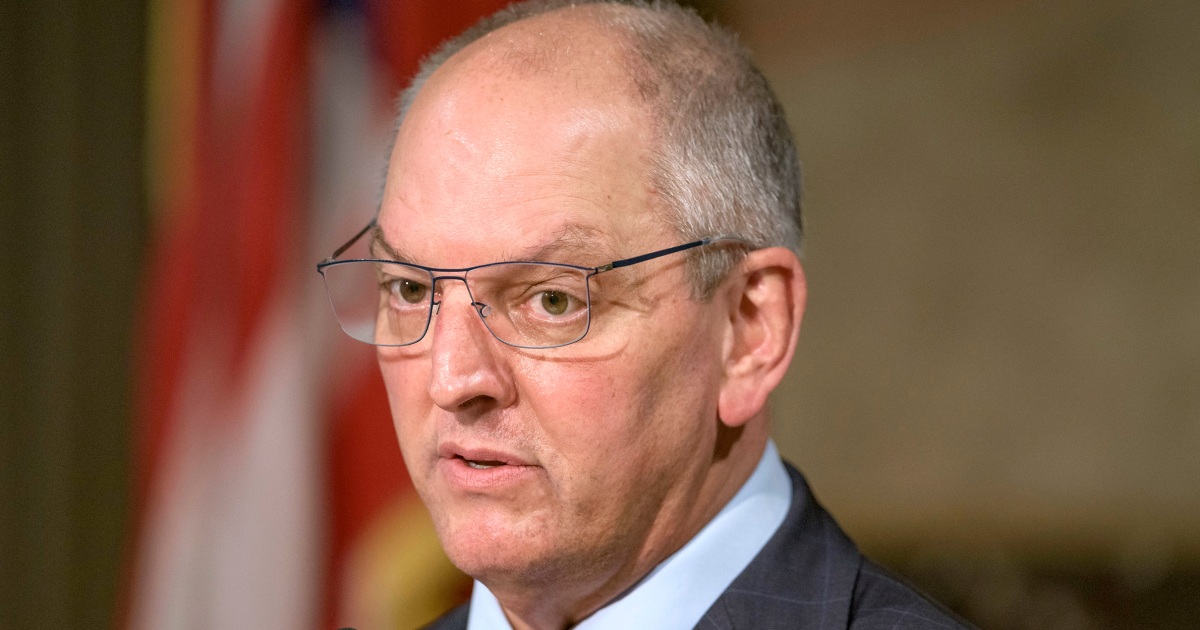
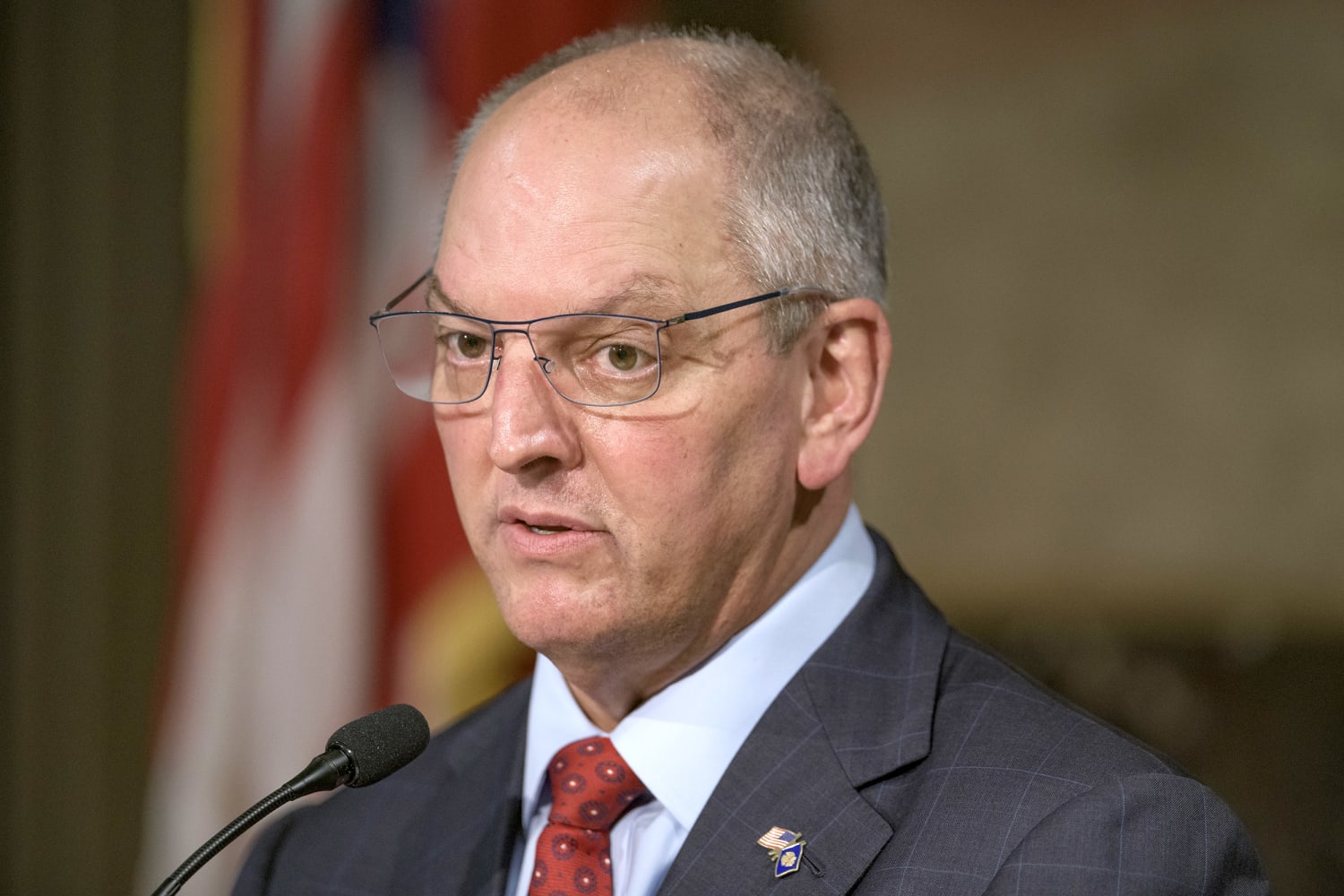
BATON ROUGE, La. — The Republican-dominated Louisiana Legislature on Tuesday overrode Democratic Gov. John Bel Edwards’ recent veto of a ban on gender-affirming care for transgender minors.
Louisiana, where the ban is scheduled to take effect on January 1, 2024, will join 20 other states that have enacted laws restricting or banning gender-affirming healthcare, including puberty blockers, hormone treatment, and gender reassignment surgery. Most of those states are now facing lawsuits, and in some places the bans have been temporarily blocked by federal judges.
Like legislatures across the country, for the past three months Louisiana legislators have heard and debated gender-affirming care, something that has been available in the United States for more than a decade and has the endorsement of major medical associations. Discussions about the ban were marred by misinformation, riddled with religious arguments, and saw hours of emotional testimony from the LGBTQ community.
At one point during the regular legislative session, the proposed ban was declared dead after a veteran The Republican lawmaker cast a tiebreaking vote to strike down the bill. However, amid pressure from Louisiana Attorney General Jeff Landry, who is a leading Republican candidate for governor, and the Louisiana Republican Party, the bill was resurrected and passed.
Governor Edwards used his power to veto the bill, but instead, the GOP-led Legislature met on Capitol Hill Tuesday for a brief, one-day veto session. It was only the third time a veto session had been held since 1974 and the second time lawmakers had overridden the governor; the only other time was last year when lawmakers overrode Edwards’ veto on a congressional redistricting bill.
Republicans say they are trying to protect children, while opponents argue the bill would do the opposite, increasing the risks of stress, depression and suicidal thoughts among an already vulnerable group.
“I believe that in this case, by following other southern states in passing this bill, lawmakers put politics before people without considering the practical impacts of the bill,” Edwards said in a scathing veto message. . “I strongly believe that the legislature has exceeded its authority and is interfering with critical health care decisions that only parents should make in consultation with their children and their children’s physicians and psychologists.”
To override the governor and force a bill in Louisiana, two-thirds approval of both the House and the Senate is needed. The Republican Party currently has a two-thirds majority in both chambers. The override had the necessary votes, with some Democrats siding with Republicans, forcing the bill into law, pending potential court battles that could block or delay the ban.
Louisiana joins a growing list of states that have enacted bans. But opponents say they are confident the courts will find the laws unconstitutional and strike them down.
a federal judge overturned the Arkansas ban as unconstitutional, and federal judges have temporarily blocked bans on Alabama and Indiana. A federal judge in Kentucky who had temporarily blocked that state’s ban later lifted his order and allowed the law to take effect. A federal appeals court has allowed ban tennesseethat had been blocked by a federal judge, to take effect. Oklahoma has agreed not to enforce its ban while opponents seek a temporary injunction to block it. In addition, a federal judge has florida locked down to enforce his ban on three children who have defied the law. Rulings against the bans so far have come from judges appointed by Democratic and Republican presidents.
Louisiana lawmakers also tried to strike down two other controversial LGBTQ bills that Edwards vetoed; to “don’t say gay” bill broadly prohibiting teachers from discussing gender identity and sexual orientation in public school classrooms; and a measure that requires public school teachers to use the pronouns and nouns that align with what students were assigned at birth. Both attempts were unsuccessful and will not become law as a result.
Louisiana’s cultural divide on LGBTQ-related legislation echoes what has been seen in GOP-led state legislatures across the country. Bills targeting transgender people have spearheaded conservative agendas, and LGBTQ advocates say a dangerous and brazen attack is happening in your community. This year alone, more than 525 anti-LGBTQ bills have been introduced in 41 states, according to data compiled by the Human Rights Campaign, the nation’s largest LGBTQ advocacy organization.


