


President William Ruto, an evangelical Christian, criticized a February high court decision that allowed an LGBT rights group to register as a non-governmental organization. “We cannot walk the path of women who marry their fellow men and men who marry their fellow men,” he said at the time.
The Kenyan bill reflects a significant degree of agreement and coordination on anti-gay policies among lawmakers across the region, according to the draft bill and Reuters interviews with Kenyan parliamentarians and activists.
Several new offenses appear in both the Ugandan law and the Kenyan proposal, including the offense of aggravated homosexuality, “promoting” homosexuality and allowing gay sex on your property, which affects the owners. The latter two carry prison terms of at least 10 and five years, respectively, the draft shows.
The author of the Kenyan bill, lawmaker Peter Kaluma, said the push to pass legislation similar to Uganda’s was motivated in part by solidarity with its smaller neighbor, which has faced Western criticism over its law and has seen the USA impose visa restrictions on some officials.
“Across the continent we want to have these laws,” Kaluma added. “If they were going to sanction Uganda, let them sanction all of Africa.”
He said the proposed law was influenced by discussions at a conference hosted by Ugandan lawmakers in March in the city of Entebbe, where he said parliamentarians from several African nations discussed strengthening anti-LGBTQ laws.
The conference, on the values and sovereignty of the African family, was attended by around 80 legislators from 14 countries, according to a statement issued later. Uganda was best represented, contributing more than half of the delegates, followed by South Sudan.
Delegates called for action on issues ranging from the sexual exploitation of children to pornography. They urged nations to ban “transgender medical interventions” and make foreign donors pledge that none of their funding will go toward “abortion, comprehensive sex education, and/or the LGBTQ agenda.”
A US State Department spokesman said Washington opposes any law that restricts the human rights of a vulnerable group and said governments must work to ensure that all people can enjoy fundamental freedoms.
“The United States advances efforts around the world to protect LGBTQI+ people from violence and abuse, criminalization, discrimination, and stigma, and to empower local LGBTQI+ people and movements,” said the spokesperson in response to questions about this story.
Fear reigns supreme at Nairobi Pride
The Kenyan bill would toughen a colonial-era statute that made gay sex already illegal, though the older, less detailed law was rarely enforced.
The proposed law would be the death knell for Kenya’s status as a relative haven for gay people in East Africa as the only country in the region that hosts refugees fleeing persecution for being LGBTQ.
The bill stipulates that no one should be granted asylum on grounds of persecution linked to sexual orientation.
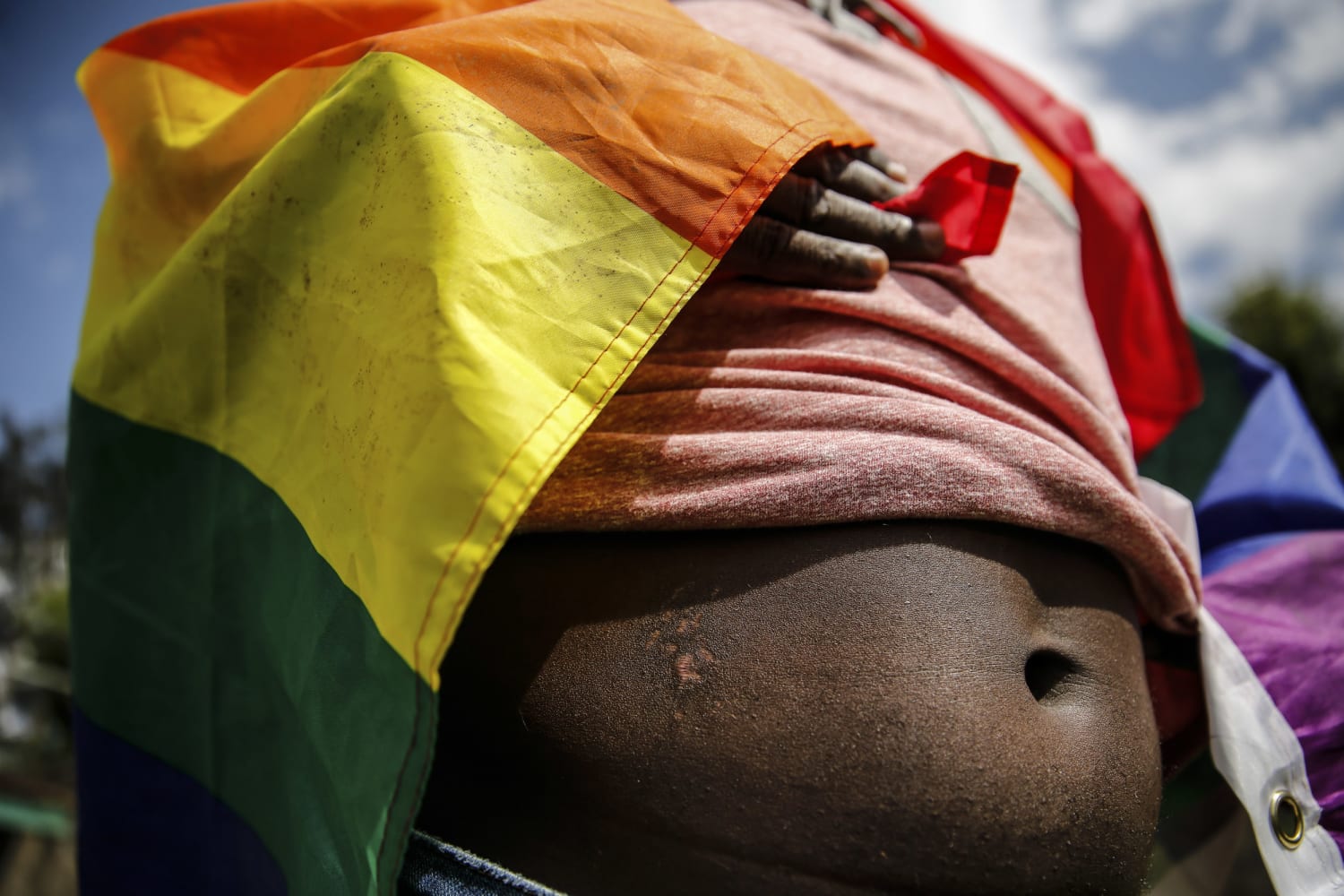
The anticipation of the new legislation, and the anti-gay rhetoric in politics and the media from public figures like Ali and Kaluma that has accompanied it, is already sending chills through the LGBTQ community, according to organizers of the Pride event in Nairobi. this month.
Stella Kachina, one of the organizers, said that unlike in previous years, the location was not disclosed in advance for fear that anti-gay activists would attack the event. Instead, the participants were picked up and taken to the location.
Attendee Marylize Biubwa said the current climate was terrifying for gays. “Kenya as a country no longer feels at home,” she said.
Both supporters and opponents of the Family Protection Bill say it has a good chance of becoming law, buoyed by Uganda’s enactment of the law and well-organized and funded anti-LGBTQ political activists.
Lorna Dias, executive director of the Kenya Gay and Lesbian Coalition, also cited Ruto’s election last year.
“The mere fact that we have a president with religious leanings who has openly stated his position…people have been emboldened by his religious proclamations,” Dias said.


