

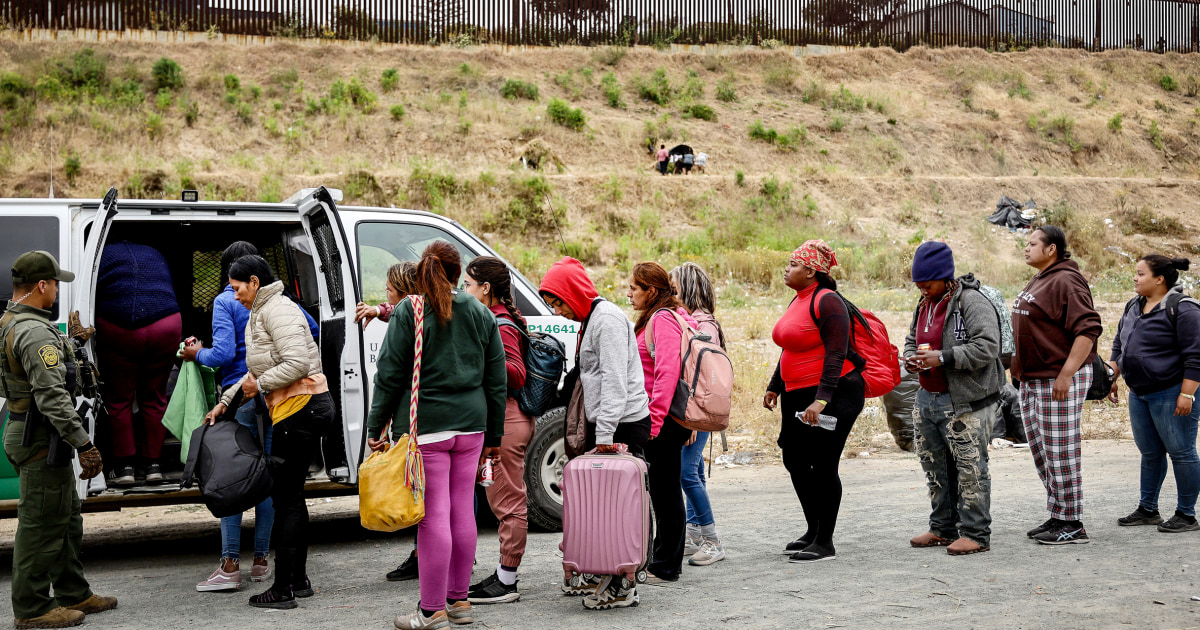
The number of migrants crossing the US Southwest border illegally is at its lowest point since the start of the Biden administration, with just over 3,000 migrants apprehended by Border Patrol each day. The number has plummeted from more than 10,000 daily just three weeks ago, despite widespread predictions of an increase after the end of the Title 42 Covid ban on May 11.
And there may also be fewer migrants waiting on the other side of the border to cross. Shortly before Title 42 was lifted, Border Patrol Chief Raúl Ortiz estimated that up to 65,000 migrants were living in shelters and tents in Mexico, ready to enter the U.S. The population of more than 130 shelters in northern Mexico had fallen from over 25,000 on May 19 to just over 20,000 on Monday.
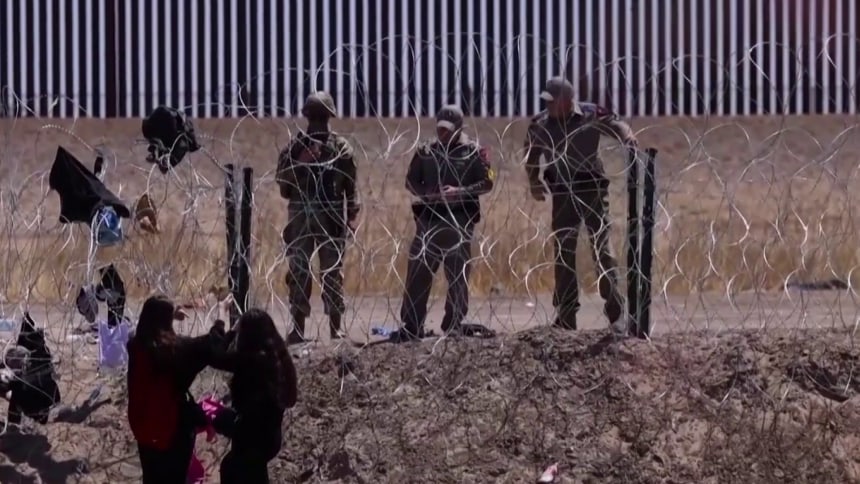
What happened?
More immigrants are using the asylum application: Shelter operators in Tijuana say migrants in their shelters are increasingly turning to the CBP One app, the mobile app for booking appointments at U.S. ports of entry to apply for asylum.
Although the app continues to crash and be difficult to use, recent improvements have allowed more than 1,000 migrants a day to use it and have a 23-hour window to book appointments and an additional 23 hours to accept them, according to a new study from the University of Texas. at the Strauss Center in Austin, who conducted a recent survey on asylum procedures at the US-Mexico border. Previously, migrants were quickly locked out of the system when it reached its daily capacity, leading to frustration and, in one case, a rush at the port of entry in El Paso, Texas. With more immigrants applying to present themselves legally for asylum, fewer are trying to cross illegally.
“Consequences”: Customs and Border Protection officials also attribute the slowdown in illegal border crossings to “fallout.” Under Title 42, migrants could repeatedly attempt to cross the US-Mexico border and suffer no consequences if turned back. After Title 42 ended, migrants who are caught entering the US illegally are charged with a felony if they are deported and caught trying to re-enter the US within the five years, a reimposition of an earlier regulation called Title 8. A CBP officer said word of the increased penalties and deportations — of the “consequences” — has reached migrants considering crossing.

However, other factors that may be keeping the numbers low are more temporary, say US and foreign officials who are watching global migration patterns.
Climate: A Colombian official said fewer migrants have been crossing from Colombia to Panama along the dangerous Darien Gap in recent weeks due to the rainy season, which has made the journey even more muddy, slippery and treacherous. The Colombian official said that as the weather improves, he expects the number of migrants to increase, particularly from Venezuela.
New asylum restrictions: A Department of Homeland Security official said the agency also attributes the decline to a policy known as asylum ineligibility implemented after the completion of Title 42. Under the new policy, immigrants who do not seek asylum first in the countries for which they pass en route to the US are considered ineligible to apply for asylum at the US border, unless they were denied by a country they passed through or shown to meet a special set of criteria, such as being potential victims of torture if deported.
But the American Civil Liberties Union has asked a federal judge in the Northern District of California to block the asylum ineligibility policy. The first hearing is scheduled for July 19. The DHS official said that if the judge blocks the policy and prevents the Biden administration from denying those immigrants asylum, the administration could soon see more immigrants trying to cross illegally to apply for asylum instead of using the CBP One app.
Meanwhile, WhatsApp group chats among migrants hoping to reach the US remain active with advice, announcements, and first-hand accounts of what to expect in a post-Title 42 environment.
“Could someone send me a working VPN (virtual private network) to apply from my country?” asked a person in a CBP One WhatsApp group, providing a screenshot of an error message from the app that said they needed to be in Mexico to make an appointment.
In another group chat, the smugglers also continue to offer their services through videos and images that attest to their “success” in getting migrants through and around the Darien Gap using boats.
“I am not lying to my people. Zero danger. Without crossing the jungle. The safest route. We have the best prices,” said one user, sharing a video from a guide named “Manuelito” that shows a group of migrants cheering and donning life jackets as they board the boats.


