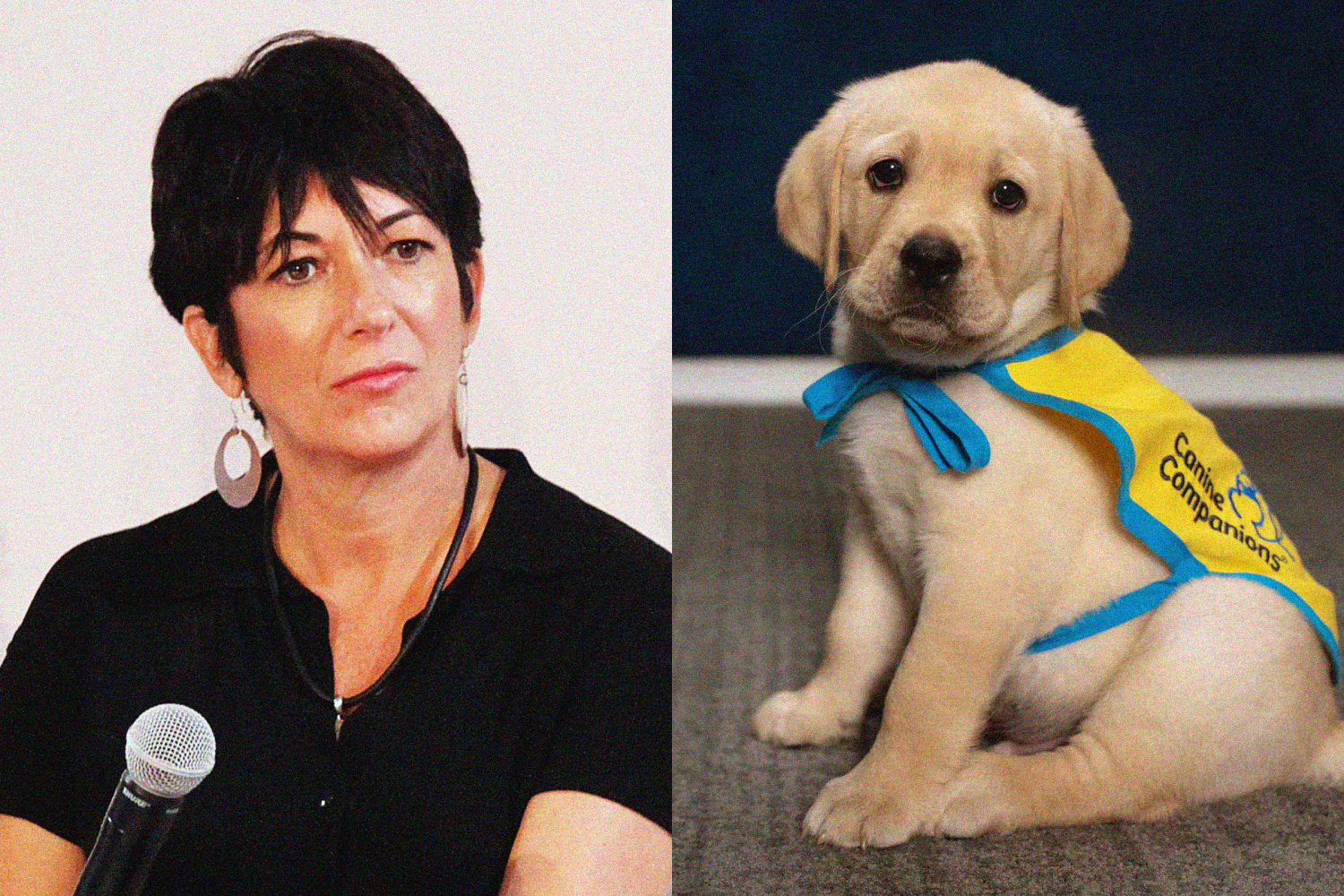
The Bureau of Prisons has turned down a request from Ghislaine Maxwell, who is serving time for sex offenses, to join a dog training program while imprisoned. Maxwell is presently fulfilling a 20-year sentence at the low-security Federal Correctional Institution Tallahassee in Florida and wanted to engage in a program that connects inmates with service dogs being trained.
Correctional officials determined the high-profile inmate failed to meet eligibility requirements for the specialized rehabilitation initiative. The denial comes amid ongoing scrutiny of Maxwell’s prison conditions following her 2021 conviction for sex trafficking and other charges related to Jeffrey Epstein’s abuse network.
Prison administrators cited multiple factors in their decision, including the nature of Maxwell’s offenses and security considerations. The service dog program typically selects participants convicted of non-violent crimes who demonstrate exemplary behavior and show rehabilitation potential. Correctional psychologists also evaluate candidates for emotional stability and ability to handle the responsibilities of animal care.
The denied appeal has sparked renewed discussions regarding correctional rehabilitation initiatives and their availability to well-known criminals. Proponents believe these programs are beneficial to both the incarcerated individuals and the community, while detractors express doubts about whether infamous prisoners should be eligible for benefits that could enhance their living conditions while in jail.
Maxwell’s legal team had framed the dog training opportunity as both therapeutic and vocational. They argued the structured program could help their client develop empathy and job skills for potential reintegration. Animal welfare organizations that typically support prison dog programs have remained neutral on this specific case, emphasizing their focus on the dogs’ training rather than inmate selection.
The Tallahassee facility houses approximately 700 minimum-security female inmates and offers various educational and vocational programs. While not considered a “country club” prison, its dormitory-style housing and recreational amenities differ significantly from higher-security institutions. The service dog program represents one of the facility’s more sought-after rehabilitation opportunities.
Legal specialists point out that federal correctional facilities have considerable latitude in making decisions about program involvement, especially for prisoners whose fame could draw unwanted focus to the facility’s operations. The Bureau of Prisons has a longstanding practice of restricting media exposure and public discourse concerning the daily lives and activities of certain prisoners.
The recent update takes place while Maxwell proceeds with the appeal of her conviction. Her attorneys have lately submitted appeals disputing both the decision and her detention environment, although experts in law predict minimal chances for a favorable outcome. The rejection of the service dog initiative could influence forthcoming grievances regarding her conditions while imprisoned.
The case brings to light wider issues concerning rehabilitation compared to punishment within the federal correctional system. Although modern penology focuses on equipping prisoners for future freedom, prominent cases frequently ignite discussions about suitable standards of incarceration. The Bureau of Prisons needs to manage these opposing viewpoints while ensuring the security of the institution and the trust of the public.
Actualmente, Maxwell sigue sin formar parte del programa para perros, cumpliendo su condena de acuerdo con las rutinas y beneficios estándar que ofrece la instalación en Florida. Los funcionarios de la prisión recalcan que todos los reclusos tienen acceso a servicios educativos básicos y de asesoramiento, independientemente de su participación en estos programas. La decisión subraya que, incluso en instituciones de baja seguridad, ciertas oportunidades dependen de criterios oficiales y de la discreción administrativa.
While Maxwell’s appeal process carries on, it’s anticipated that there will be more detailed examination of her experiences while incarcerated. The denial of her access to a service dog program could be one of several administrative actions under review as her case advances legally. The results might impact the way correctional institutions deal with similar petitions from prominent prisoners going forward.