

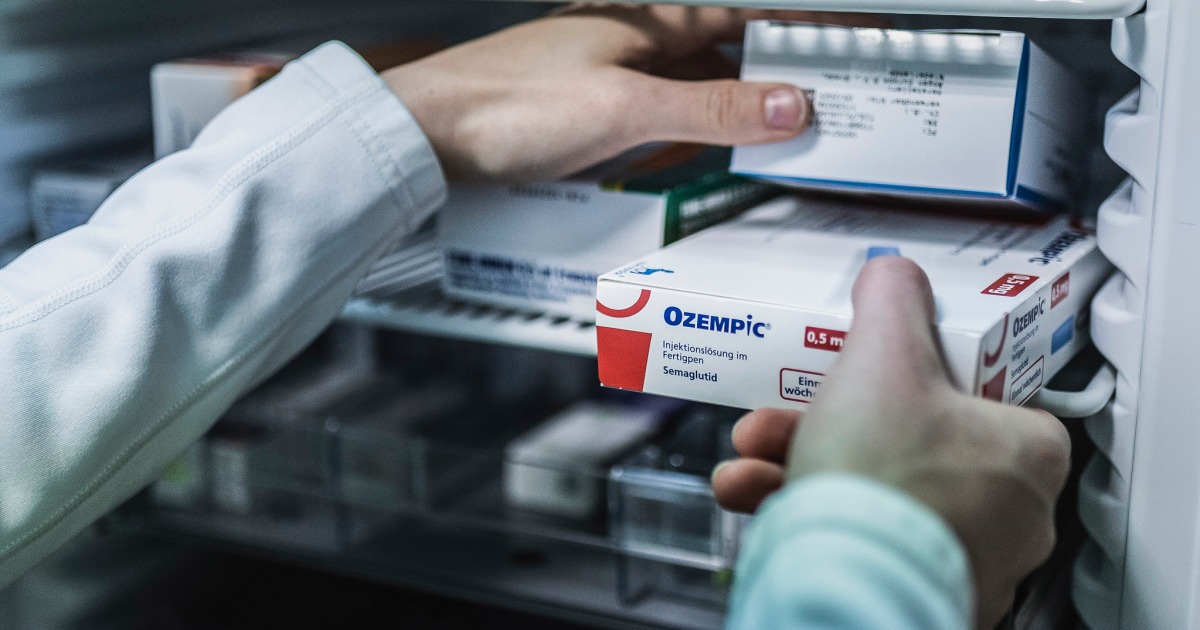
The European Medicines Agency is investigating Novo Nordisk’s diabetes drug Ozempic and weight-loss treatment Saxenda after Iceland’s health regulator flagged three cases of patients contemplating suicide or self-harm.
Shares of the Danish drugmaker fell 1% on Monday after the news.
A safety committee of the European Medicines Agency, or EMA, is investigating adverse events raised by the Icelandic Medicines Agency, including two cases of suicidal thoughts in those who used Ozempic, which contains the active ingredient semaglutide, and Saxenda, said the regulator.
Another patient taking Saxenda, Novo’s earlier and less effective weight-loss drug that contains the active ingredient liraglutide, reported thoughts of self-harm, the agency said.
Iceland’s medicines regulator did not immediately respond to requests for details.
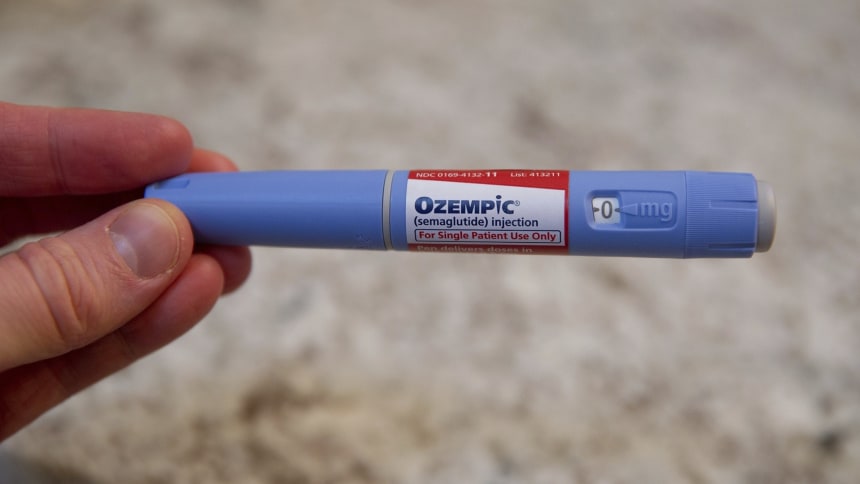
Novo Nordisk said that patient safety was the highest priority and treated all reports of adverse events very seriously. His own security monitoring so far has found no “causal association” between self-injurious thoughts and drugs, he said in a statement.
EMA research focuses on medicines containing semaglutide or liraglutide. Novo’s obesity treatment, Wegovy, for which demand has increased in the United States, contains semaglutide.
The review was announced weeks after the regulator issued a thyroid cancer safety signal, a means of monitoring potential adverse effects, on several of Novo’s semaglutide-containing products.
Suicidal thoughts are not listed as a side effect in the EU product information for either medicine.
However, in the United States, Wegovy’s prescribing instructions recommend that patients be monitored for suicidal thoughts or behavior.
According to the US Food and Drug Administration adverse event reporting system public panel, there have been at least 60 reports of suicidal ideation since 2018 from patients taking semaglutide or their healthcare providers.
The database has received at least 70 such reports since 2010 from liraglutide users or their healthcare providers.
The information in these reports has not been verified and the existence of a report is not proof of cause and effect, the FDA says.
The FDA said it monitors the safety of drugs throughout their life cycle. The Wegovy trials did not suggest an increased risk of suicidal behavior, but the drug’s label contains a warning about suicidal behavior and ideation because of the risks associated with other weight-control drugs, the regulator said.
Although Iceland’s regulator has flagged only three cases, the issue of suicidal thoughts linked to weight-loss drugs is sensitive and has stymied previous attempts by the pharmaceutical industry to develop lucrative weight-loss drugs.
In the Ozempic and Saxenda clinical trials, Novo excluded people with a history of psychiatric disorders or recent suicidal behavior.
Sanofi’s Acomplia, which never gained US approval, was withdrawn in Europe in 2008 after being linked to suicidal thoughts.
Acomplia was designed to modify parts of the nervous system that regulate appetite. Newer weight-loss drugs, like Wegovy, regulate appetite by mimicking a gut hormone and not directly interfering with brain chemistry.
Orexigen Therapeutics’ Contrave and Vivus Inc’s Qsymia diet pills, approved in the US in 2014 and 2012, respectively, carry warnings on their labels about an increased risk of suicidal thoughts.
Markus Manns, a senior portfolio manager at Union Investment and a Novo shareholder, said a low incidence of suicidal thoughts might be acceptable for a type 2 diabetes drug, but not for a weight-loss drug.
The EMA said on Monday it would consider whether the review should be extended to other medicines in the same class, known as GLP-1 receptor agonists.
The EMA’s ongoing thyroid cancer investigation includes all GLP-1s.
Other drugs in the class include Eli Lilly and Co’s Mounjaro. Lilly did not respond to a question from Reuters about whether the EMA had contacted them to provide data for the new investigation.
Penny Ward, a visiting professor of pharmaceutical medicine at Kings College London and an expert on drug safety monitoring in the EU, said the most likely outcome of the investigation would be a change to the drug’s label in the EU to include a warning of the possible side effect of suicidal thoughts.
If you or someone you know is in crisis, please call 988 to reach the Suicide and Crisis Lifeline. You can also call the network, formerly known as the National Suicide Prevention Lifeline, at 800-273-8255text HOME to 741741 or visit TalkingSuicide.com/resources for additional resources.


