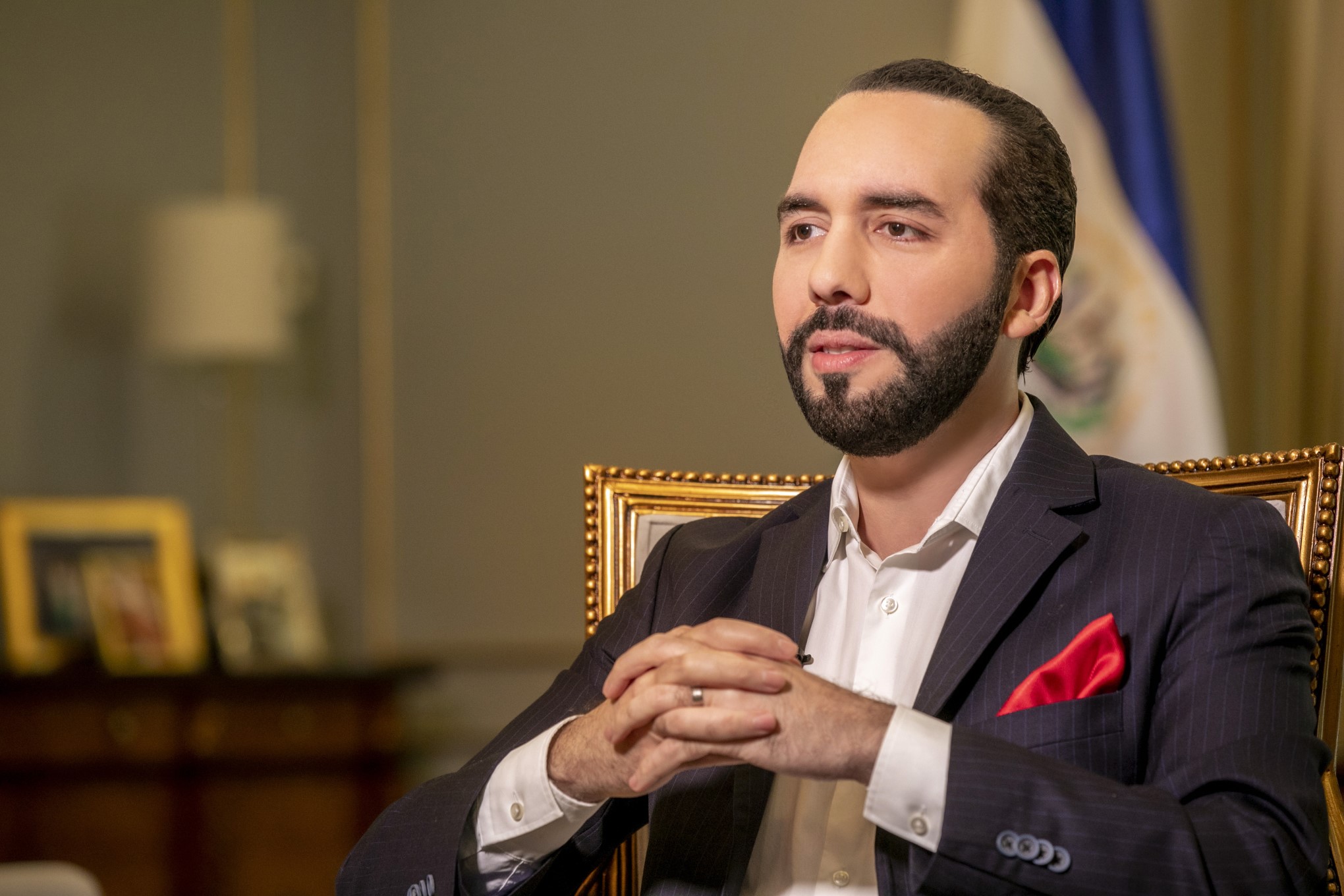
In recent years, El Salvador has drawn international attention not only for its sweeping security policies but also for an exodus of political figures and activists who claim they are no longer safe in their homeland. As the government tightens its grip under President Nayib Bukele, many of those who once played key roles in public life are seeking refuge abroad, citing concerns that the country is moving dangerously close to repeating dark chapters of its history.
This growing wave of political exile reflects deep unease about the direction of El Salvador’s governance. While the official narrative points to national progress and crime reduction, many former officials, judges, lawyers, journalists, and civil society leaders argue that constitutional norms and democratic institutions are being eroded in the process. From their new homes in neighboring countries or further afield, they speak of an environment back home that has become increasingly intolerant of dissent.
Several of these individuals had long careers in public service or social advocacy. Some had aligned themselves with political parties, while others worked independently to strengthen rule of law or push for accountability. Many now find themselves outside the country not by choice but by necessity, after receiving threats, facing legal action they believe to be politically motivated, or fearing imprisonment under vague charges.
For these displaced Salvadorans, the experience they recount seems eerily similar to the past. They mention the oppressive measures of previous eras, when those who criticized the government were monitored, intimidated, or muted. Currently, they observe, there are parallels to that history in the centralization of authority by the executive branch, the erosion of judicial independence, and the deployment of state agencies to target apparent adversaries.
What distinguishes the current moment is the speed and scope of these developments. Bukele, who rose to prominence with a message of anti-corruption and renewal, has transformed El Salvador’s political landscape with bold—and controversial—measures. While his administration boasts high approval ratings domestically, in part due to a crackdown on gang violence, critics warn that the price of security gains is the erosion of basic democratic safeguards.
An issue of dispute concerns the prolonged state of emergency, initially established to tackle criminal groups. While this measure has resulted in numerous arrests and a noticeable decrease in street crime, it has been criticized by human rights defenders for potentially enabling misconduct. Alarming reports of arbitrary arrests, absence of due process, and poor treatment in custody have surfaced, causing concern both inside and outside El Salvador.
Those now living in exile say the government is not only targeting gang members but also anyone seen as a challenge to its authority. Legal professionals who ruled against government interests, journalists who uncovered inconvenient facts, and politicians who voiced criticism have all found themselves in precarious situations. In many cases, they were stripped of protections, removed from their posts, or faced legal inquiries soon after speaking out.
For some, fleeing the country was the only viable option. The fear was not only of prosecution, but of persecution—being treated not as citizens with rights, but as enemies of the state. In interviews and public statements, exiles describe how they had to make difficult decisions: leaving families, abandoning careers, and rebuilding lives in unfamiliar environments.
Although they are far from El Salvador, numerous individuals still feel a strong bond with its future. They persist in voicing their opinions, coordinating from other countries, and highlighting changes they view as risks to the nation’s democratic principles. Concurrently, they experience sorrow and annoyance from being labeled as traitors by the administration they previously supported.
Some have formed alliances with international organizations or found platforms in foreign media to share their perspectives. Their stories offer a counterpoint to the official government narrative and reflect the complex, often painful choices faced by those who resist political pressure. For them, this moment in El Salvador’s history is not just a political crisis—it’s a personal reckoning.
Observers note that the growing list of exiles points to a deeper shift in the country’s political culture. While Bukele’s supporters celebrate what they see as decisive leadership, others see a narrowing space for debate, accountability, and lawful opposition. The departure of experienced voices from the public sphere may also have long-term consequences for governance and democratic stability.
This flight of dissidents also raises broader regional and international concerns. The trend mirrors developments in other countries where power has become increasingly centralized and critics have been pushed out. Diplomatic and human rights communities are watching closely, balancing recognition of the government’s success in fighting crime with growing unease over its authoritarian tendencies.
El Salvador’s history is marked by periods of political violence, civil conflict, and repression. For those now in exile, the comparisons are not made lightly. Many recall the devastating impact of silencing opposition in the past and fear that the country is heading down a similar path—one in which dissent is criminalized and democracy becomes an empty formality.
Yet even in exile, there is hope. The voices now speaking from afar carry with them a determination to protect democratic principles. They believe that accountability, transparency, and rule of law are not optional, even in times of crisis. Their ongoing activism reflects a belief that the future of El Salvador must include—not exclude—those who challenge power.
If the nation is able to balance maintaining safety while preserving liberty, and whether it can uphold the structures that support democracy, is yet to be determined. However, for observers from afar, one aspect is evident: historical insights are being referenced not to create division, but rather to caution and to advocate for a revival of a political culture that prioritizes inclusivity, conversation, and respect for individual rights.
As more political figures and activists continue to leave, the question lingers: Can a country truly be free if its critics feel they must flee to be safe? For El Salvador, the answer may define not just the present, but the shape of its future.