

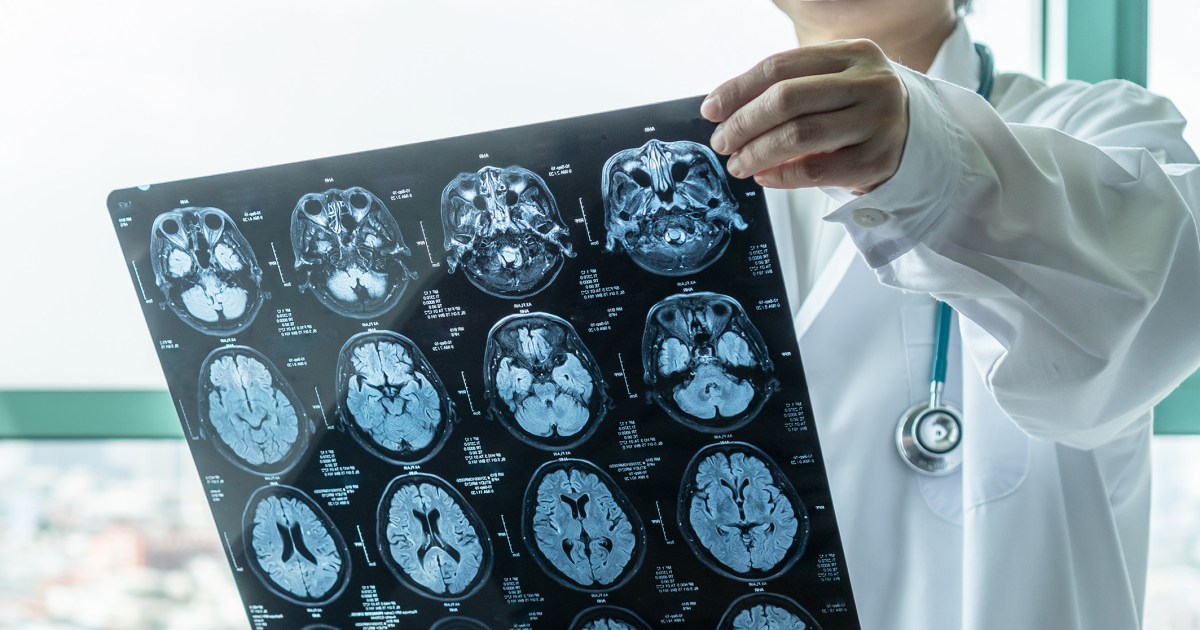
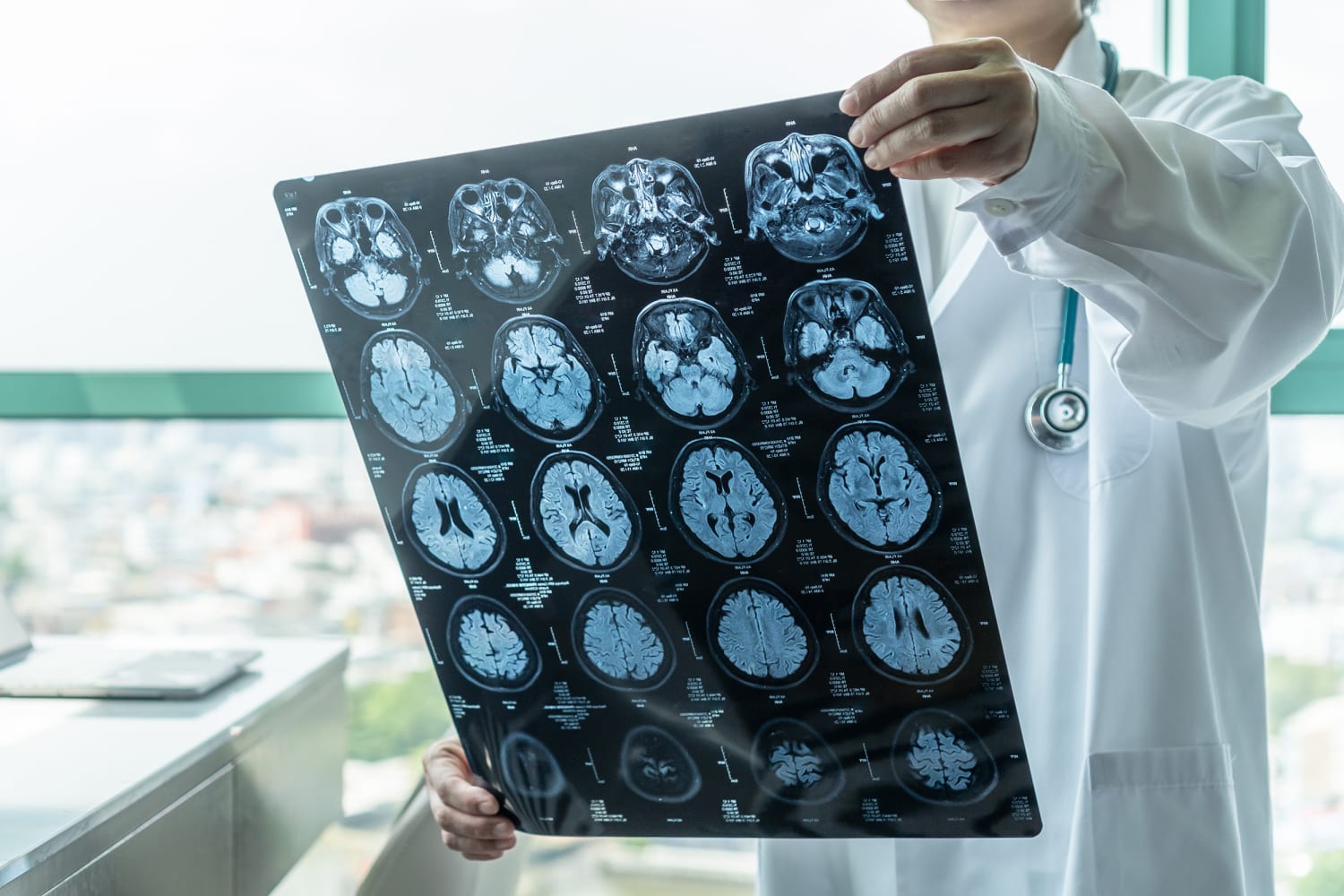
Depression after a traumatic brain injury, such as a concussion, may be a distinct condition, different from other types of depression, according to a study published Wednesday in the journal Science Translational Medicine.
The findings are a step forward in understanding how depression may be treated differently in people with traumatic brain injury or TBI, who often do not respond to psychotherapy and medication.
Researchers are even proposing a separate name for the condition: TBI affective syndrome.
“We’ve long believed that TBI after depression is somehow different, but we’ve never proven it,” said Dr. Shan Siddiqi, an assistant professor of psychiatry at Harvard Medical School who co-led the study. “This is a different disease that warrants different treatments.”
The new research benefited from improvements in imaging technology. Previous research looking at how TBI affects the brain relied on less sensitive brain-imaging technology, said Dr. Jesse Fann, a professor of psychiatry and behavioral sciences at the Washington University School of Medicine. As a result, some of the brain changes that occur after TBI, specifically those related to mood, were missed.
Advances in neuroimaging “have helped us unravel some of the mysteries behind brain-related conditions, including depression,” said Fann, who was not involved in the new study.
Siddiqi and his team compiled the results of five studies, all of which included a type of brain scan called fMRI, which measures and maps brain activity. The studies included scans of people with and without brain injury, as well as people with depression after TBI and people with depression without TBI. The studies also included scans of people with and without post-traumatic stress disorder.
The researchers found that although the same brain circuits were associated with depression in people with TBI and those without, they seemed to be affected in opposite ways. For example, the same circuitry may be overactive in someone with depression following TBI and underactive in someone with depression and without TBI.
The same was true even for those who had depressive episodes before their TBI, suggesting that altered circuitry may play a role in the development of depression after injury.
“This depression is being driven by something different in the brain,” said Dr. Matthew Peters, an associate professor of psychiatry and behavioral sciences at Johns Hopkins Medicine, who was also not involved in the new research.
People with a TBI are almost Eight times more likely to have depression than people who do not. They are also less likely to receive any form of treatment for depression, Siddiqi said. That may be because other issues, such as regaining speech or the ability to use a limb, take precedence when patients are evaluated for a recovery plan. But, he added, it may also be that traditional treatments for depression — medications and talk therapy — don’t work as well for people with TBI.
Siddiqi and his team noted that a type of therapy called transcranial magnetic stimulation, which stimulates nerves in the brain, could be a promising treatment for TBI-related depression when traditional therapies don’t work.
Peter nodded. “You can turn the neurons you’re stimulating on and off,” he said, noting that for this reason, transcranial magnetic stimulation could offer a more targeted treatment for overactive or underactive brain circuits.
Going forward, researchers will need to determine which TBI patients are most likely to develop depression and which treatments will work best. Until then, one thing is clear, Fann said: “We can’t think about depression after TBI in the same way that we think about depression in other populations.”
CORRECTION (July 5, 11:47 p.m. ET): An earlier version of this article misrepresented the number of studies in the new report that included fMRI brain scans. All five studies included the scans, not four.


