


Covid threw the infectious disease playbook out the window last winter.
Instead of the typical flu season, the US endured a record combination of invasive strep infections, influenza, RSV, enterovirus and other respiratory illnesses that competed with Covid to sicken most Americans at some point.
It may not be over yet.
Recently, the Centers for Disease Control and Prevention reported an increase in human metapneumovirus in the spring. HMPV is a respiratory virus related to RSV (respiratory syncytial virus) and is usually spread by coughing, sneezing, or touching surfaces containing infected respiratory droplets.
“We’ve seen a ton of HMPV,” said Dr. Buddy Creech, an expert in pediatric infectious diseases at Vanderbilt University Medical Center in Nashville, Tennessee. Most cases are mild, Creech said, with wheezing and “a lot of runny nose.”
Despite the rebound, the Centers for Disease Control and Prevention said it seems unlikely that HMPV will increase this summer.
“HMPV activity at this time is unremarkable,” an agency spokesperson said in an email, adding that the risk of HMPV spread is low.
If the Covid has turned the typical diseases of the season upside down, what does summer hold for us?
“You can never really predict the future, but I expect we’re going to have a dull summer,” said Dr. Anthony K. Leung, an infectious disease specialist at the Cleveland Clinic.
It’s been several years of non-seasonal spikes in childhood illnesses like croup, strep A and RSV, a winter virus that emerged during the summers of 2021 and 2022.
While the US appears to have stabilized for now, summer travel is just getting started. Slight spikes in other viruses have put infectious disease experts on alert as we approach the summer of 2023.
COVID-19
It is impossible to know how many cases of Covid are circulating. The CDC is not tracking cases, although sewage testing is still ongoing. Some parts of the country, such as NYnow they are seeing high levels of Covid in those samples.
It’s too early to tell if those cases will result in a new wave of serious illness. As temperatures rise, people will increase their chances of becoming infected just by gathering in air-conditioned areas, behind closed windows and doors.
“Just like in the winter, anytime you’re indoors together and someone has it, it’s pretty easy to spread,” said Jodie Guest, a professor of epidemiology at the Emory Rollins School of Public Health in Atlanta.
On a hopeful note, Covid hospitalizations have been steadily declining since the beginning of the year, according to the Centers for Disease Control and Prevention.
enteroviruses
Enterovirus is a general term for many different viruses, such as hand-foot-and-mouth disease and even the typical summer cold. These viruses are usually spread by coughing and sneezing.
Enteroviruses are often mild and can cause a variety of symptoms, including rashes, fever, loss of appetite, and sore throat.
“That’s the virus we anticipate seeing in the summer,” said Dr. Amina Ahmed, chief of pediatric infectious diseases and immunology at Atrium Health Levine Children’s Hospital in Charlotte, North Carolina.
In rare cases, enteroviruses can be serious. Enterovirus D68, for example, has been linked to a polio-like condition in children called acute flaccid myelitis, or AFM. Patients, usually children, develop unusual weakness in the arms or legs.
Before the pandemic, cases appeared in late summer in a any other year pattern. If that pattern had continued during Covid, doctors would have expected an increase in 2021. That didn’t happen.
Now, in 2023, it’s unclear if the virus will resume its previous patterns. “We are always vigilant,” Ahmed said.
Lyme, norovirus and other holiday bugs
Insects in different areas of the world can harbor a variety of diseases.
Three years into the pandemic, an increasing number of Americans are in the mood to travel. Doctors say the urgency could also lead to an increase in travel-related illnesses.
“Always remember that there are some unusual and unpredictable things,” Leung said. “Exercise caution.”
Norovirus, sometimes associated with cruise ships, can cause days of vomiting and diarrhea.
Many of these diseases are spread in a similar way by coming into contact with infectious droplets. The old advice remains: wash your hands constantly. If you are feeling sick, minimize the time you spend with others to protect them.
But not all summer illnesses are passed from person to person.
“From spring through late summer and early fall, the infections we’re concerned about are often related to exposure to different insects,” said Dr. Michael Angarone, an infectious disease specialist at Northwestern Medicine in Chicago.
Mosquitoes in tropical climates can transmit diseases such as West Nile, dengue fever, and malaria. On May 30, Florida health officials in Sarasota and Manatee counties reported a rare case of malaria in a person who was bitten by an Anopheles mosquito.
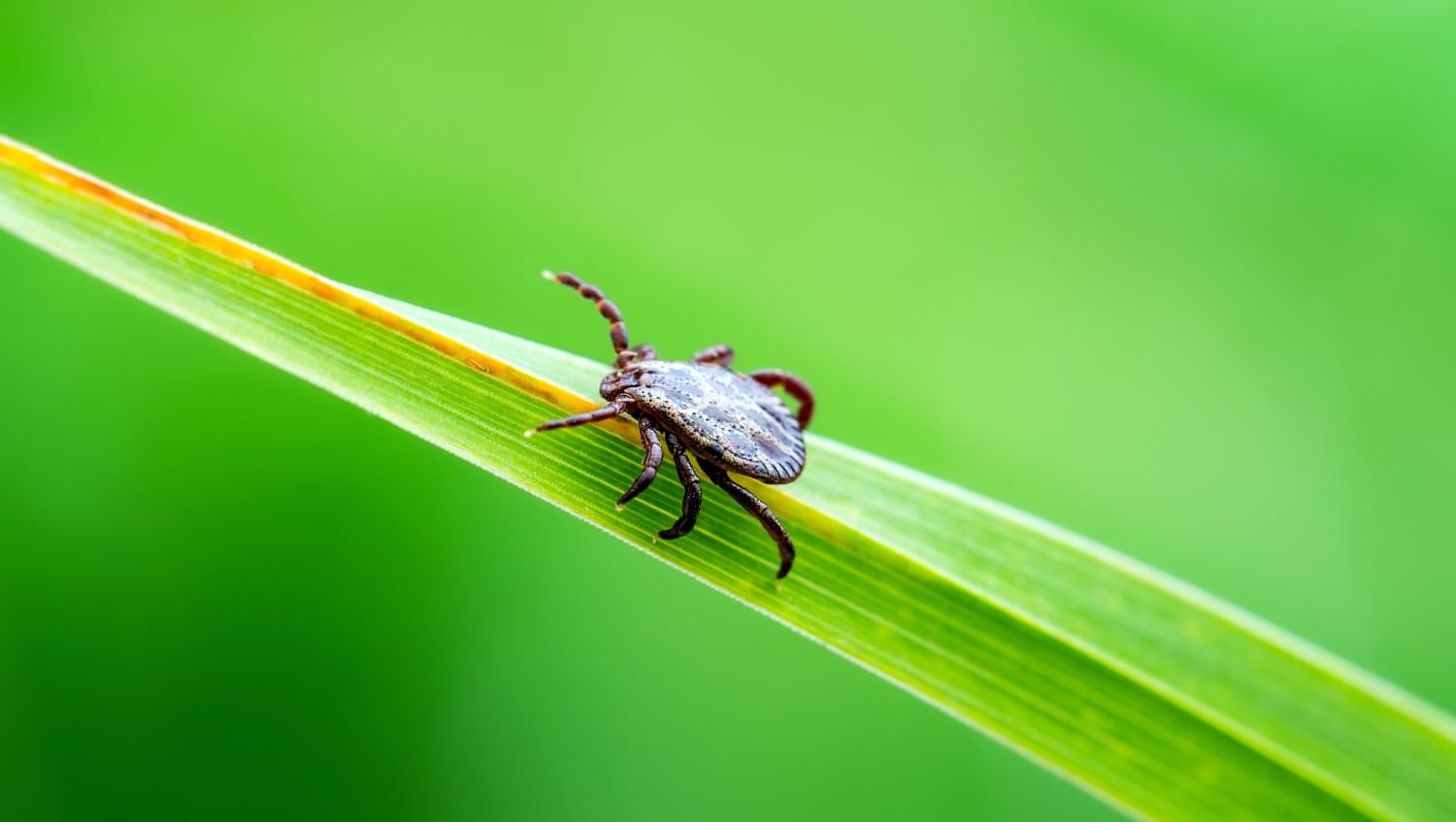
Lyme disease cases spike in the summer, and there are at least 30,000 new cases of the tick-borne disease in the US each year. In March, the CDC warned of rising cases of a different tick disease, babesiosis, which is becoming more prevalent in the Northeast. Symptoms of babesiosis include:
- Fever
- Shaking chills
- Headaches and body aches
- Nausea
- Muscle and joint pain
If you plan to be out in nature, Angarone said, “be sure to protect yourself from ticks and mosquitoes by wearing repellents, long pants and long-sleeved shirts.”
“The faster you find the tick and remove it, the less likely you are to get an infection,” he said.
Mpox
A slight increase in mpox cases this spring in Chicago has some infectious disease experts worried about Pride festivals and other large groups that gather during the summer months.
Mpox is “expected to pick up a bit over the summer,” said Dr. Michael Saag, associate dean for global health at the University of Alabama at Birmingham.
Mpox is usually transmitted through close physical contact.
“MPOX is not seasonal. It’s really about the way people come together,” Guest said. “This is something we want to make very clear about watching and getting people vaccinated.”
This is vitally important for gay and bisexual men who represent the vast majority of cases. Mpox vaccines are available, as well as treatments.


