The extensive and dramatic journey of China Evergrande has arrived at its foreseeable end, as the company is set for removal from the Hong Kong stock exchange. This official exit from a prominent public market marks the last chapter in the collapse of what used to be the second-largest property developer in the country. The decision is not simply a bureaucratic process but a significant symbolic occurrence, marking the close of an era characterized by bold growth and unsupportable debt. This ending to the Evergrande narrative highlights the deep-seated risks within China’s real estate sector and the government’s evolving economic focus.
The roots of Evergrande’s crisis can be traced back to a business model built on rapid, debt-fueled expansion. The company operated by borrowing heavily to acquire land, then pre-selling apartments before construction was even complete. The revenue from these pre-sales, often in the form of deposits, was then used to fund new projects and service existing debts. This cyclical approach, while incredibly lucrative during China’s real estate boom, was fundamentally dependent on an uninterrupted flow of credit and ever-rising property prices. It was a strategy that was both brilliant in its ambition and catastrophically fragile in its execution.
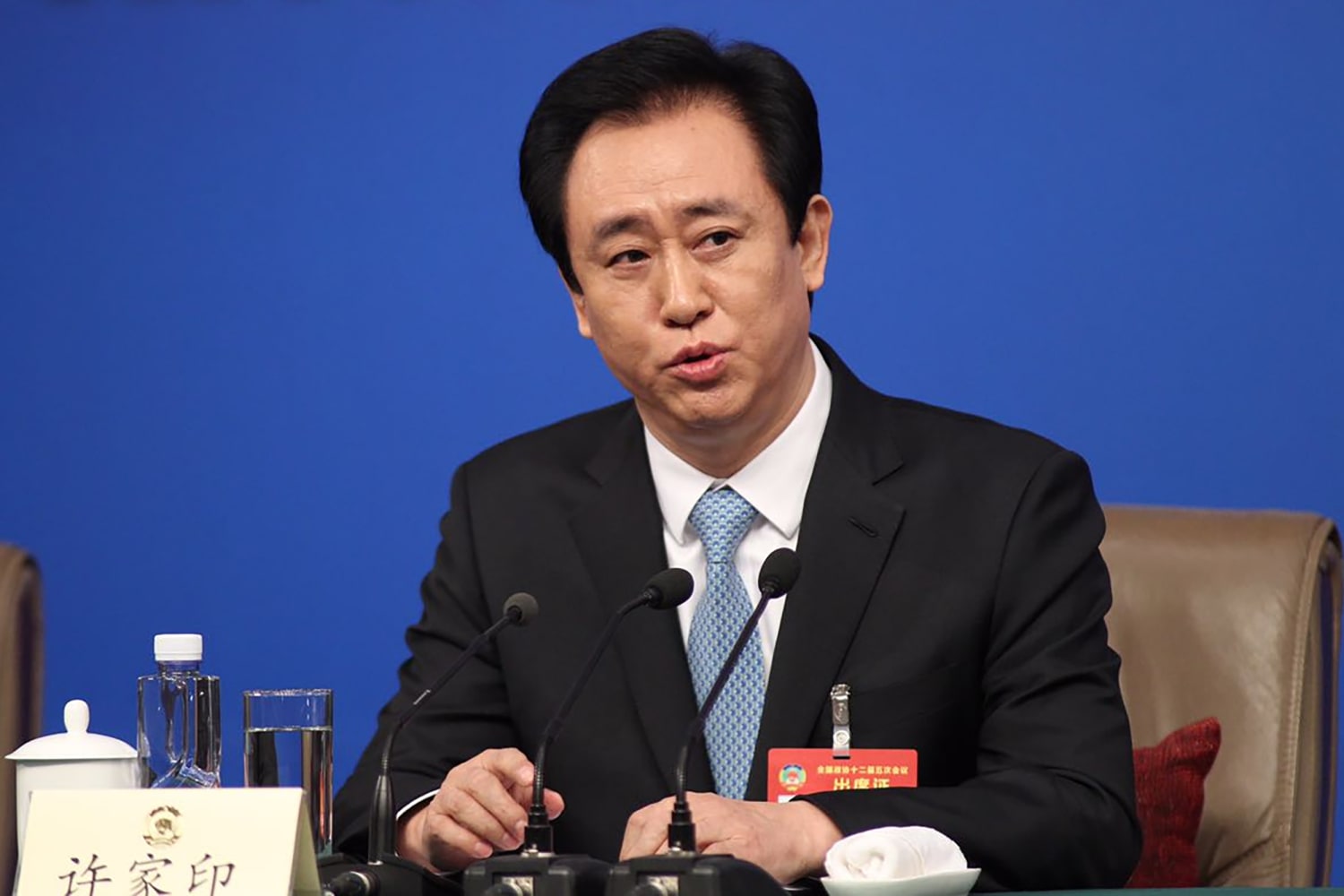
For numerous years, this approach proved effective, establishing Evergrande as a well-known entity in China and turning its creator, Hui Ka Yan, into one of the nation’s richest individuals. The corporation’s influence was vast, encompassing a multitude of projects in over 280 cities. Its brand became linked with the nation’s economic rise and the ambitions of its expanding middle class. Yet, this achievement concealed a perilous degree of excessive borrowing, with the company’s obligations ballooning to an astronomical sum, a number so vast it was beyond the grasp of many. The foundation of its realm, constructed on borrowed money, was fated to collapse when the capital influx was restricted.
The trigger for the disintegration of the company was an intentional policy change by the Chinese authorities. In 2020, Beijing implemented the «Three Red Lines» initiative, a series of rigorous standards aimed at reducing leverage in the property market and restraining excessive debt accumulation. Evergrande did not satisfy all three benchmarks, which effectively severed its ability to obtain new loans from state-owned financial institutions. This policy was a definitive signal that the authorities were no longer inclined to support the speculative, high-risk methods that had driven the real estate surge. It was a pivotal point that laid bare the inherent vulnerability of Evergrande’s financial setup, rendering it incapable of managing its vast liabilities.
The delisting itself is a final verdict from the financial markets. For months, the company’s shares had been suspended from trading, a clear sign that its value had evaporated. The formal delisting removes the company from public accountability and provides a sense of closure, however bleak, for investors. It means that the company, as a publicly traded entity, is officially dead. This move also highlights the strict regulatory oversight of the Hong Kong Stock Exchange, which ultimately holds companies accountable for their financial health and public disclosure. The delisting is a testament to the exchange’s commitment to maintaining market integrity.
The removal from the exchange represents a severe and conclusive setback for both minor and major investors. Global bondholders, who had extended loans worth billions to the firm, now confront the almost certain reality that their assets are valueless. The anticipated course of action for the company is liquidation, a process expected to be lengthy and intricate, with lenders contending for the remnants of a once-powerful corporation. For individual, minor investors who acquired shares in Evergrande, the delisting renders their investments merely a historical footnote, serving as a stark reminder of a gamble that disastrously failed.
The human cost of this collapse is perhaps the most tragic and enduring aspect of the crisis. Millions of Chinese homebuyers had pre-paid for apartments that are now, in many cases, unfinished and abandoned. Their life savings, often the culmination of years of hard work, are trapped in these stalled projects. This has led to a wave of social unrest, with protests and boycotts by angry homebuyers demanding that the government intervene and ensure their homes are completed. The plight of these individuals represents a major political and social challenge for the Chinese authorities, who are now under immense pressure to restore public confidence in the real estate market.
The fallout from the Evergrande debacle extends well beyond its own financial reports. The downturn in the property market has had a significant cooling impact on the larger Chinese economy, which has traditionally depended on the real estate sector as a key driver of expansion. This turmoil has severely affected financial institutions, burdening them with numerous non-performing loans worth billions. Additionally, the economic deceleration has had repercussions for various related sectors, from construction and raw material suppliers to furniture and electronic goods. This web of connections has manifested a systemic issue, illustrating how the collapse of a single firm can cause reverberations across an entire economy.
The Chinese government’s response has been a delicate balancing act. They have been unwilling to provide a full-scale bailout, signaling a move away from a «too big to fail» mentality. Instead, their strategy has been a controlled demolition, focusing on managing the fallout and preventing a full-blown financial panic. They have provided targeted support to ensure that some projects are completed and have encouraged state-owned developers to acquire the assets of failing private companies. This approach aims to restore stability to the housing market while avoiding a moral hazard that would reward reckless borrowing.
The delisting of Evergrande is more than just a corporate failure; it is a profound historical moment. It marks the end of an era of unfettered, debt-fueled growth in China’s real estate sector. The crisis has forced a fundamental rethink of the country’s economic model, with the government now prioritizing stability and quality of life over raw, quantitative growth. The future of the Chinese property market will likely be defined by a new, more cautious approach, with a greater role for state-owned enterprises and a renewed focus on building a sustainable, long-term housing market that serves the needs of its people, not just the ambitions of its developers.