Social Responsibility

Philippines: CSR strengthening disaster preparedness and neighborhood resilience

Philippines CSR: Strengthening Disaster Preparedness & Resilience

The Philippines faces a high and growing frequency of natural hazards: tropical cyclones, storm surges, floods, landslides, earthquakes, volcanic eruptions, and sea level rise. On average, about 20 tropical cyclones enter the Philippine Area of Responsibility each year and roughly five make landfall. Recurrent major events—most notably Typhoon Haiyan (2013), which affected millions and produced economic losses in the billions of dollars—have underscored the need for robust disaster risk reduction (DRR) and community resilience. Corporations operating in the Philippines are increasingly integrating corporate social responsibility (CSR) with disaster preparedness and neighborhood resilience efforts, moving beyond one-off relief to invest in…
Read More
Cyprus: tourism CSR promoting water efficiency and living cultural heritage

Promoting Water Efficiency & Cultural Heritage in Cyprus Tourism

Cyprus is a Mediterranean island with a tourism-dependent economy and a rich reservoir of living cultural heritage. Coastal resorts, mountain villages, archaeological parks, seasonal festivals, traditional crafts, and culinary customs form the tourism offer. At the same time, Cyprus faces chronic water stress driven by low and variable rainfall, population peaks during the tourist season, and climate warming. For tourism businesses and destinations, corporate social responsibility (CSR) that simultaneously promotes water efficiency and safeguards living cultural heritage is not only ethically sound but also economically strategic.Water dynamics and tourism-related effectsWater scarcity profile: Cyprus has a semi-arid Mediterranean climate with large…
Read More
Chad: CSR cases improving access to energy and essential community services

Chad: Boosting Energy Access & Community Services Through CSR

Chad faces steep development challenges shaped by geography, low density, and decades of underinvestment. With a population of roughly 16–18 million and one of the lowest GDP per capita levels in the world, basic services and reliable energy access remain limited. National electricity access is low — generally estimated at around 10% — and rural electrification is in the low single digits. In that context, corporate social responsibility (CSR) programs alongside donor and NGO interventions have become important complements to public action, focusing on renewable energy, electrification of social facilities, clean cooking, water services and community development.Why CSR matters for…
Read More
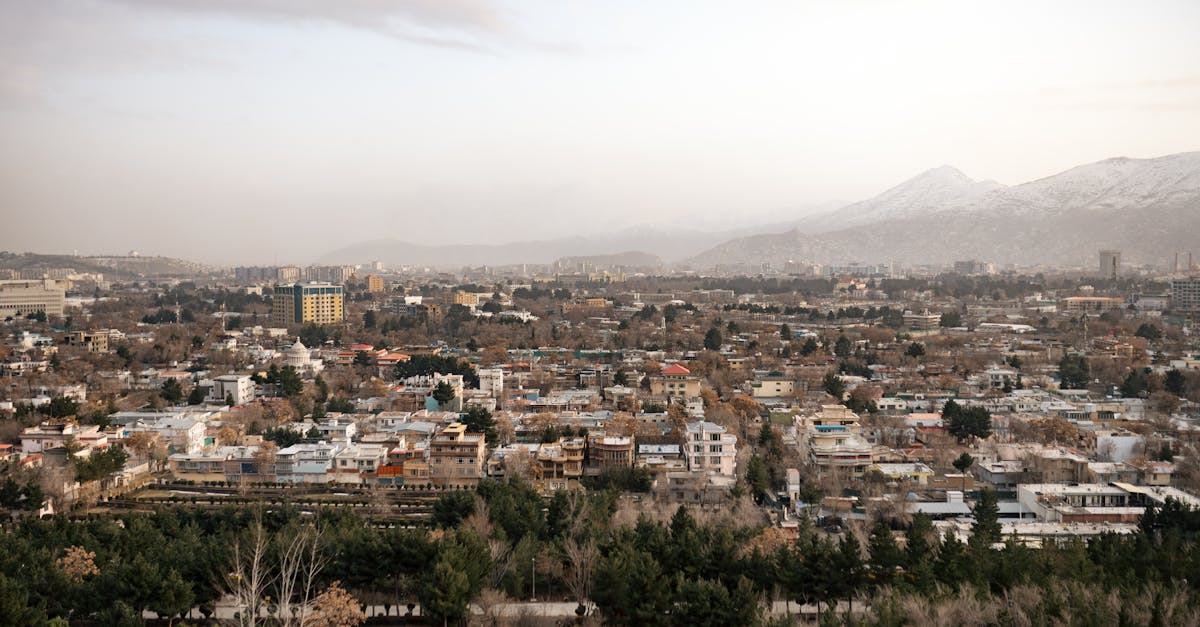
Una vista aérea panorámica de Kabul, Afganistán, que muestra el paisaje urbano con un telón de fondo montañoso.

Afghanistan: CSR cases strengthening technical training and decent jobs in local communities

Afghanistan continues to confront deep-rooted obstacles in developing skills and creating decent employment, stemming from prolonged conflict, disrupted educational pathways, a vulnerable private sector, and limited market access. Corporate social responsibility (CSR), in which companies deliberately allocate resources, expertise, and collaborative efforts to meet social needs, can help bridge these gaps by reinforcing technical and vocational education and training (TVET), apprenticeships, enterprise growth, and market connections. When executed effectively, CSR aligns business priorities with local labor market demands and supports sustainable livelihoods throughout provinces and cities.Background and requirements: competencies, employment, and regional economiesTechnical training in Afghanistan needs to address several…
Read More