


The World Health Organization said Friday it is investigating two human cases of bird flu in Cambodia, after an 11-year-old girl died this week and her father also tested positive for the H5N1 strain.
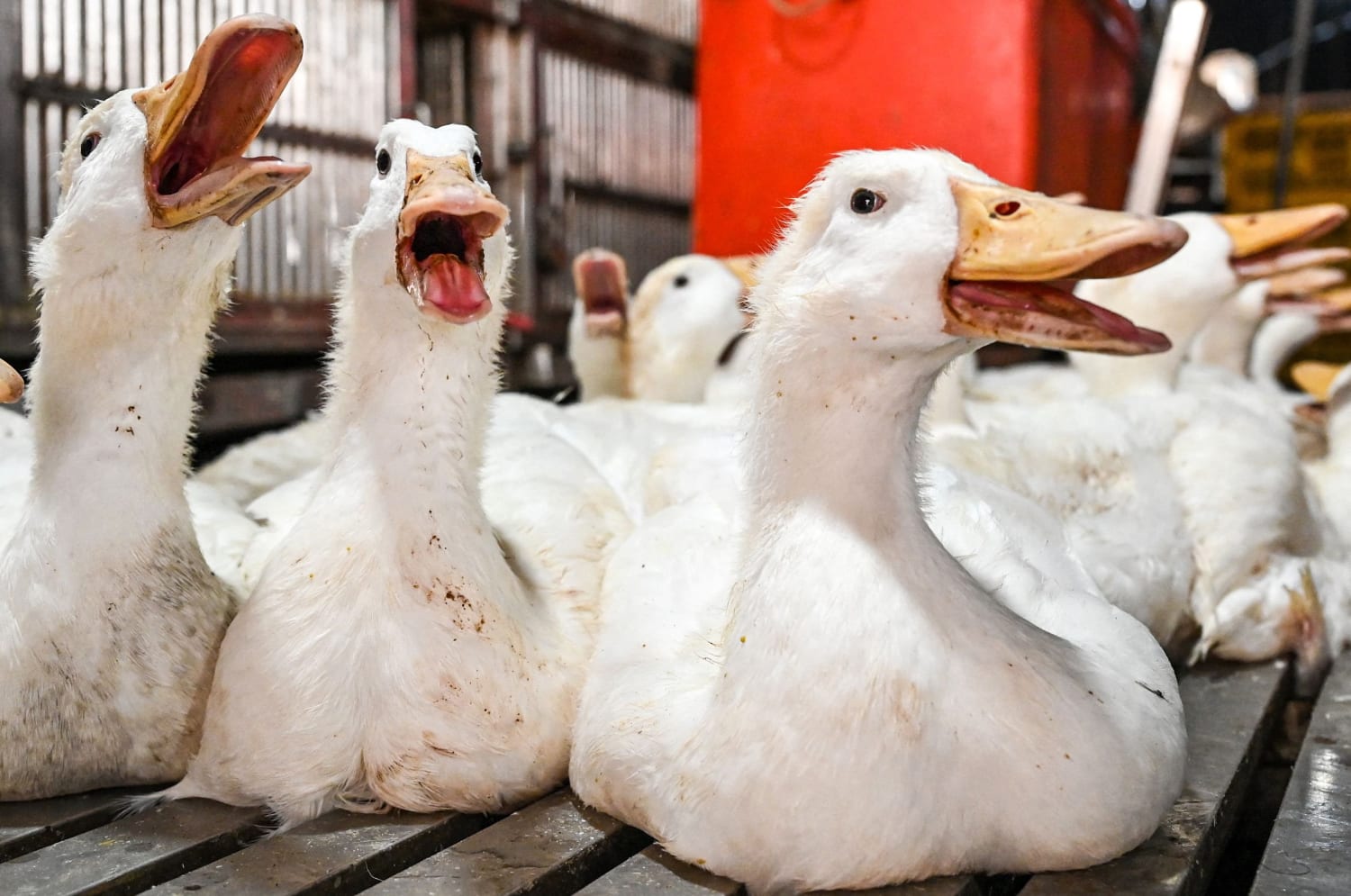
An outbreak of bird flu first observed in 2021 has been circulating around the world, including in the United States, where nearly 58.5 million birds from commercial and backyard flocks have been culled since last February. according to the US Department of Agriculture..
The risk of bird flu to humans is still thought to be low, but the global spread of the H5N1 virus to wild bird species and even mammals, such as bears, raccoons, mink, foxes, and sea lions, has increased. the concern that it could mutate into a version that passes easily between people.
The WHO has said that some avian influenza viruses “have the potential to mutate to increase transmissibility between humans.”
Cambodian health officials said Thursday that the girl’s case was the first known human H5N1 infection in Cambodia in nine years, since 2014.
The victim’s father also tested positive for the virus but did not show any symptoms, and 11 other close contacts were tested in Prey Veng province, east of Phnom Penh. according to Reuters. Those results have yet to be released, and it is not yet known whether the girl’s father became infected through person-to-person transmission or through contact with infected birds or animals.
Cambodia’s health minister said the girl was diagnosed with avian influenza on February 16 after developing a high fever and cough. She was later transferred to the National Children’s Hospital in Phnom Penh, but she died on Wednesday. Reuters reported.
The WHO has recorded several cases of H5N1 infections in humans since 2021, including in a 9 year old girl in rural Ecuadorto person in the UK who kept a “large number” of domestic birds, two poultry workers in Spain and a individual in the United States who participated in the culling of affected poultry on a farm.
In these cases, the patients had been in close contact with birds or poultry and, to date, “no sustained person-to-person transmission has been identified.” According to the WHO.
Dr. Sylvie Briand, WHO’s director of epidemic and pandemic preparedness and prevention, called the situation “worrying” given the rapid spread of the virus among birds and infections detected in mammals and humans.
“WHO takes the risk of this virus seriously and urges increased vigilance from all countries,” Briand said at a virtual press conference on Friday.


