

In response to questions, Terrance Unrein, AES senior director of development, said tax breaks are common for clean energy projects and the Tunica wind farm is expected to bring “tens of millions of dollars to taxing districts.” during the life of the project. .”
Charles Finkley Jr., president and CEO of the Tunica County Chamber of Commerce and Economic Development, said the incentives are worth it to help attract businesses.
“We definitely want to be competitive in order to successfully recruit these types of projects in our community,” he said.
Finkley said the land where the wind farm sits would have generated about $20,000 in property taxes over the next three decades, a fraction of the at least $60 million in taxes the county expects to receive.

Residents here know what it means to bring in big business; they are also intimately familiar with what happens when the promises of those companies start to fade.
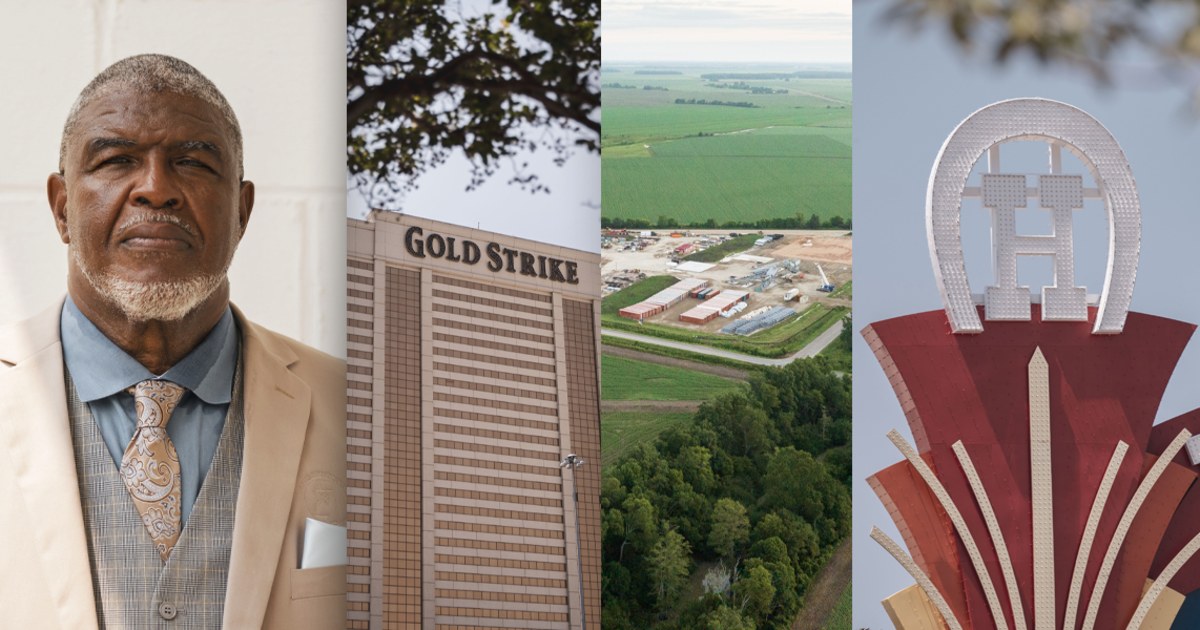
Tunica County was once known as one of the poorest counties in the country, until the arrival of casinos in the early 1990s helped transform it into the busiest gambling hub in the Deep South.
Gaming brought hundreds of millions of dollars in revenue for a county that has been beleaguered by poor housing conditions and underperforming public schools. But the casino industry has been affected over the years, due to increased competition from states like Arkansas. At least three casinos have closed since 2014.
During the pandemic, Dwight Mosley, pastor of a church in neighboring DeSoto County, helped run a food pantry at a stadium in Tunica County, where long lines of cars showed how many families were overwhelmed.
Those dramatic views are no more, Mosley said, but the need for support remains.
“You are seeing people making sacrifices,” he said.
Hawkins, the retired county highway manager, hears echoes of the county’s historic problems in its current problems with education, access to health care and run-down homes that look “the same way now as when the casinos came.” “.


