

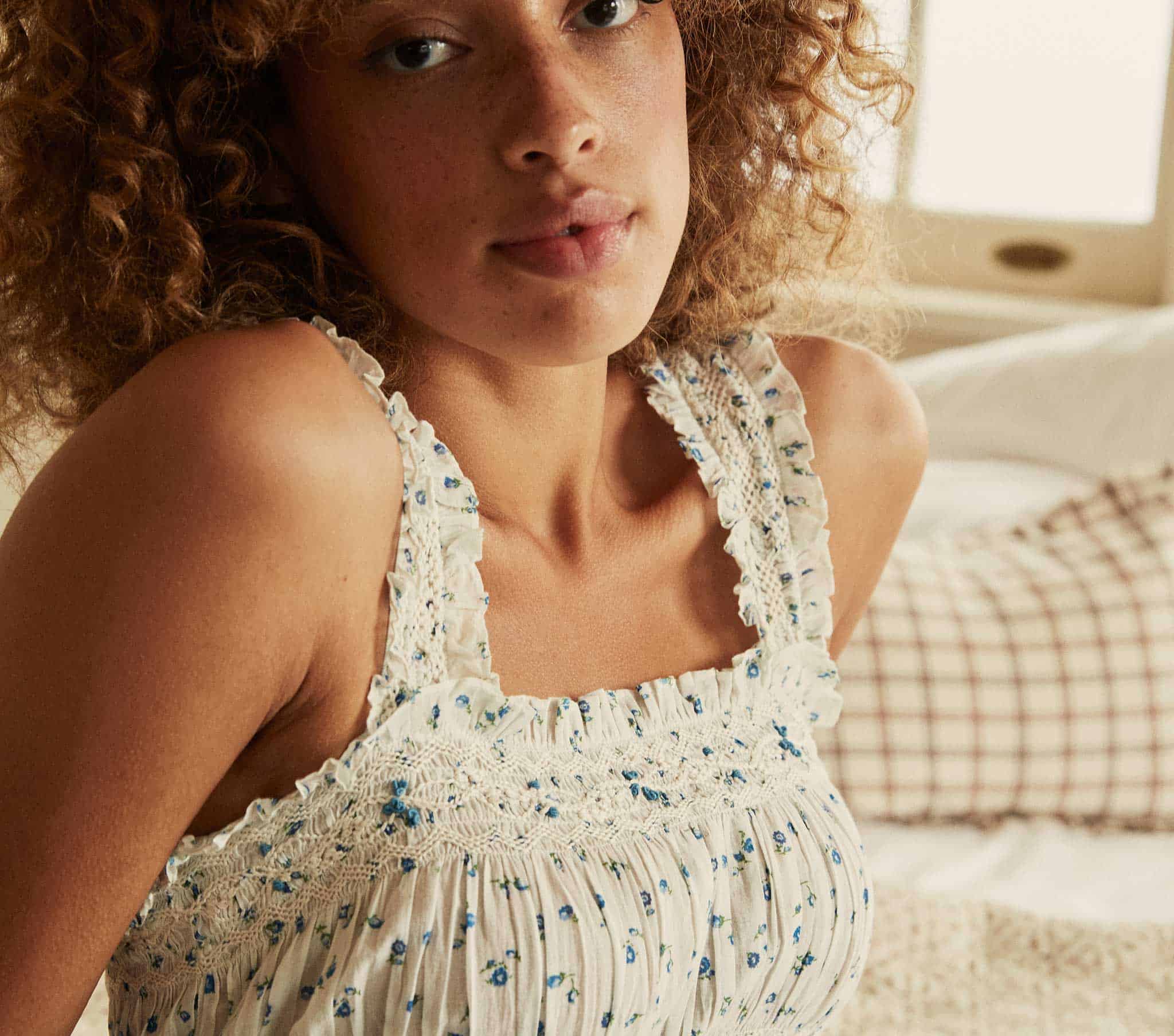
What used to represent a bedtime routine has now made a daring transition into everyday apparel. Nightgowns, which have traditionally been linked with relaxation, coziness, and the realm of sleep, are currently being seen in a variety of settings outside the sleep environment. From city streets to informal meetups and even upscale occasions, individuals are incorporating nightgown-inspired styles into their regular clothing choices—a change that signifies a shift both culturally and in fashion regarding how garments are viewed and utilized.
The transformation of nightgowns into attire suitable for any time of day is more than a fleeting trend. It forms a significant part of a wider trend that combines comfort with adaptability, merging the boundaries between indoor and outdoor clothing. Previously reserved for peaceful nights and relaxed mornings, these garments, originally considered fragile, are now being reinvented as personal fashion statements, seamlessly moving from relaxing at home to being worn for brunch or professional meetings.
This shift is driven by several interconnected trends. First and foremost is the rise of “comfort dressing”—a fashion ethos that gained significant momentum during the global pandemic, when work-from-home routines and extended periods indoors reshaped sartorial priorities. People began prioritizing garments that offered ease of movement and a sense of calm. Nightgowns, often made from breathable materials like cotton, linen, or silk, naturally fit this bill. As consumers grew accustomed to feeling comfortable in their clothes, the demand for fashion that merges softness with sophistication skyrocketed.
However, comfort is not the only reason behind the rising trend of wearing nightgowns during the day. Fashion designers and influencers have been instrumental in enhancing the visual allure of sleepwear-inspired styles. Both high-end and up-and-coming brands have launched nightgown designs with tailored structures, premium materials, and meticulous details, rendering them appropriate for many different environments. Features such as lace accents, embroidery, gathered bodices, and puffed sleeves are among the aspects being adapted to cater to contemporary preferences.
The influence of social media, particularly platforms like Instagram and TikTok, has further propelled the nightgown renaissance. Style-conscious users showcase how a well-chosen nightgown can be paired with boots, belts, denim jackets, or statement jewelry for a look that’s chic, effortless, and distinctively personal. The visual storytelling of these platforms helps redefine expectations around where and how nightgowns can be worn, turning what might once have been considered dressing down into a confident fashion statement.
Historical fashion references also play a role in the current trend. The romantic silhouettes of 19th-century dressing gowns and Edwardian lace nightdresses are being revisited with a contemporary twist. These styles evoke nostalgia while simultaneously offering timeless elegance. The appeal of vintage nightgowns, often found in thrift shops or passed down through generations, adds another layer of individuality and sustainability to the trend. Wearing a repurposed heirloom piece not only reduces environmental impact but also connects wearers with the stories of the past.
The growing popularity of “nap dresses”—a modern, daytime-friendly iteration of the traditional nightgown—exemplifies how the concept has gone mainstream. Coined and popularized by brands like Hill House Home, the nap dress is designed to be both comfortable enough to sleep in and stylish enough to wear out. It typically features flowing lines, breathable fabric, and feminine details, offering a silhouette that flatters a variety of body types and fits seamlessly into relaxed or semi-dressy environments.
The blend of practicality and aesthetics is a defining feature of the larger movement in modern fashion, where style and usefulness go hand in hand. Present-day shoppers are attracted to items that seamlessly transition across various settings and emotions. A nightdress worn for morning errands might be elevated with high heels and a fitted jacket for a night out—demonstrating that a single item can serve multiple purposes with only minor alterations in styling.
Retailers have recognized the growing interest, prompting both popular and boutique fashion brands to broaden their collections to feature sleepwear-inspired clothing that can be worn during the day. The selection of fabrics varies from light cottons perfect for warmer months to luxurious velvets and satins that easily adapt to cooler weather. The variety in pricing also caters to a wide audience, from those mindful of their budget to those who prefer luxury options.
Certainly, not everyone is immediately accepting of wearing night attire in public spaces. For some individuals, mixing sleepwear with streetwear questions traditional standards regarding attire in various situations. However, fashion has consistently been about innovation and challenging established boundaries. What seems unusual today often turns into the norm of the future, particularly when driven by innovation, functionality, and cultural changes.
Psychologically, the adoption of nightgown-style clothing during the day might also reflect a broader desire for comfort in uncertain times. Garments that provide softness and freedom can have a calming effect, acting as a subtle form of self-care. In this way, fashion becomes more than just visual—it becomes sensory, emotional, and deeply personal.
Long silk or satin dresses are gaining popularity in both formal and business environments. Paired with suitable accessories and stylish elements, they are transformed into eveningwear or even office attire with the addition of tailored jackets or waist-cinching belts. This trend is not about dismissing traditional standards, but rather redefining them—proving that comfort and elegance can coexist harmoniously.
The changing function of the nightgown in the current fashion scene highlights the continuous transformation of clothing through cultural influences, situational shifts, and personal creativity. Once only associated with sleep, it has now evolved into a platform for showcasing expression, flexibility, and ingenuity. As more individuals embrace this trend, the nightgown transitions from its solely intimate persona to represent contemporary comfort and everlasting allure.
The inquiry isn’t about why individuals are donning sleepwear beyond the bedroom—it’s about why it took such a long time for them to become a daily essential. As the limits of fashion keep evolving, the shift of the nightgown from the bedroom to the street signifies a wider transformation in our perception of comfort, beauty, and personal expression in our clothing choices.




:max_bytes(150000):strip_icc()/fashion-designer-coco-chanel--1883-1971----c--early-50-s-89865776-5c85557f46e0fb0001a0be81.jpg "Coco Chanel, Famed Fashion Designer and Executive")