

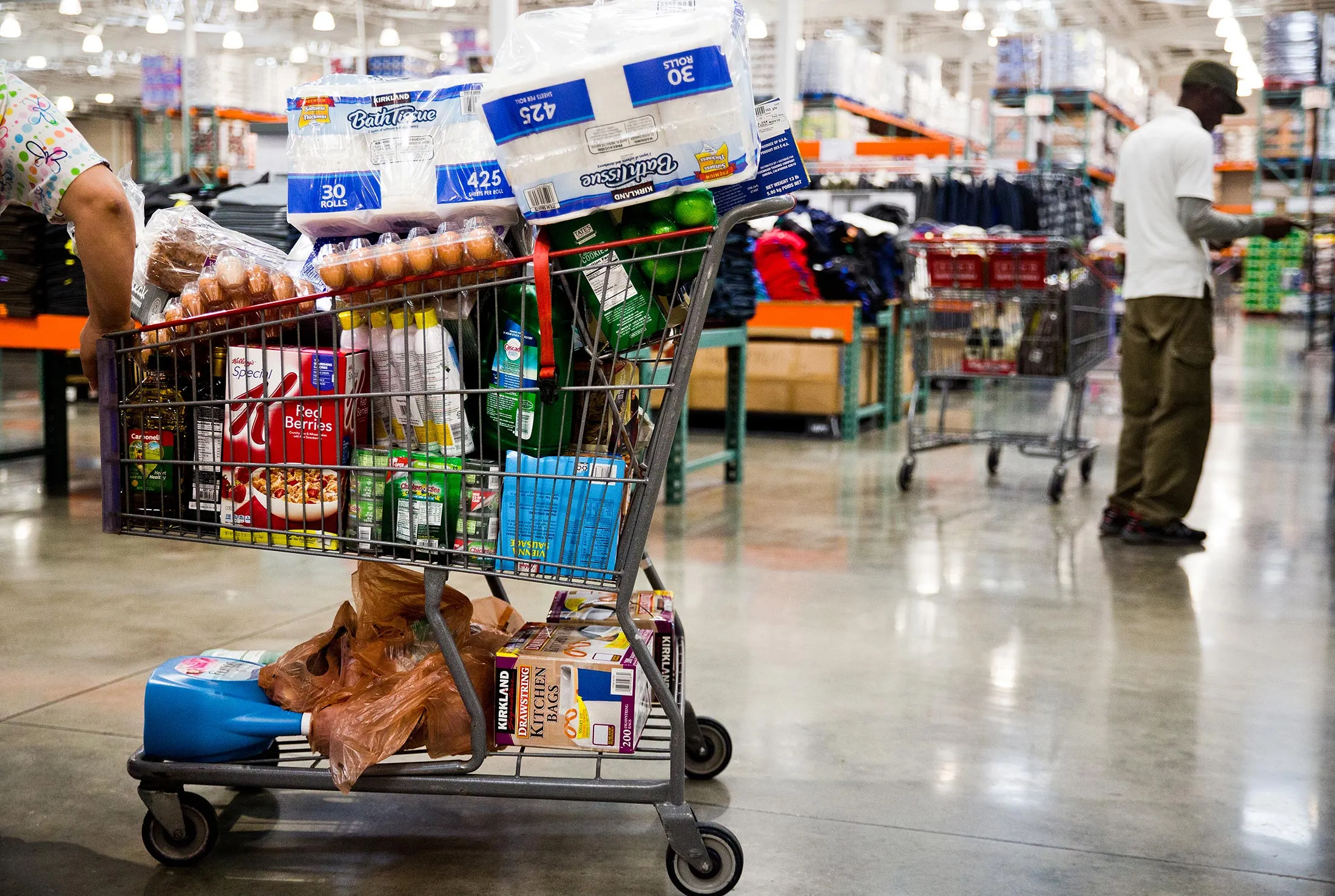
Recently, individuals in the United States are encountering a variety of financial difficulties that have significantly influenced their purchasing behaviors and general economic perspective. These difficulties originate from various factors including rising inflation, fluctuating incomes, and shifts in consumer trust, all contributing to a complex economic scenario.
One of the major hurdles confronting numerous households currently is the increase in the cost of living. As the costs of vital goods and services climb, individuals allocate a greater portion of their budget to basic necessities. This has led to a notable change in consumer expenditure, with many prioritizing essential goods over discretionary buys. The impact on various sectors of the economy is considerable, as businesses must adapt to these evolving consumer behaviors.
Inflation has become a key topic in conversations about the state of the economy. Its impacts are evident in various sectors, including food, housing, transportation, and healthcare. With increasing inflation rates, the value of money decreases, compelling consumers to face tough decisions. This financial pressure has resulted in growing concern among individuals as they confront the facts of their economic circumstances.
Coupled with these obstacles, salary increases have lagged behind inflation for a substantial number of employees. Although certain industries have experienced wage hikes, numerous workers perceive their income as stagnant or inadequate to meet escalating expenses. This imbalance fosters feelings of discontent and unpredictability, as people put in more effort without notable enhancement in their economic circumstances.
The confidence of consumers is crucial to the economic narrative. When individuals feel confident about their financial status, they tend to increase their spending, leading to economic expansion. Conversely, in uncertain times, spending typically declines. Latest research indicates that numerous Americans are feeling less optimistic about their financial future, which could lead to reduced consumer expenditure and a more gradual economic recovery.
As consumers navigate this challenging environment, many are seeking ways to stretch their dollars further. This has resulted in a rise in popularity for discount retailers and second-hand shopping, as individuals look for more affordable options. The shift in consumer behavior highlights the resilience of American households as they adapt to changing economic circumstances.
To sum up, the issues faced by American consumers are intricate and deeply intertwined. Rising inflation, stagnant wages, and declining consumer confidence significantly influence today’s economic status. As households adapt to these problems, their purchasing patterns could continue to evolve, thereby affecting the broader economy. Grasping these elements is essential for both businesses and policymakers as they strive to navigate the complexities of the current economic landscape.



.jpg "How tourism and new projects boost Cap Cana real estate in 2026")