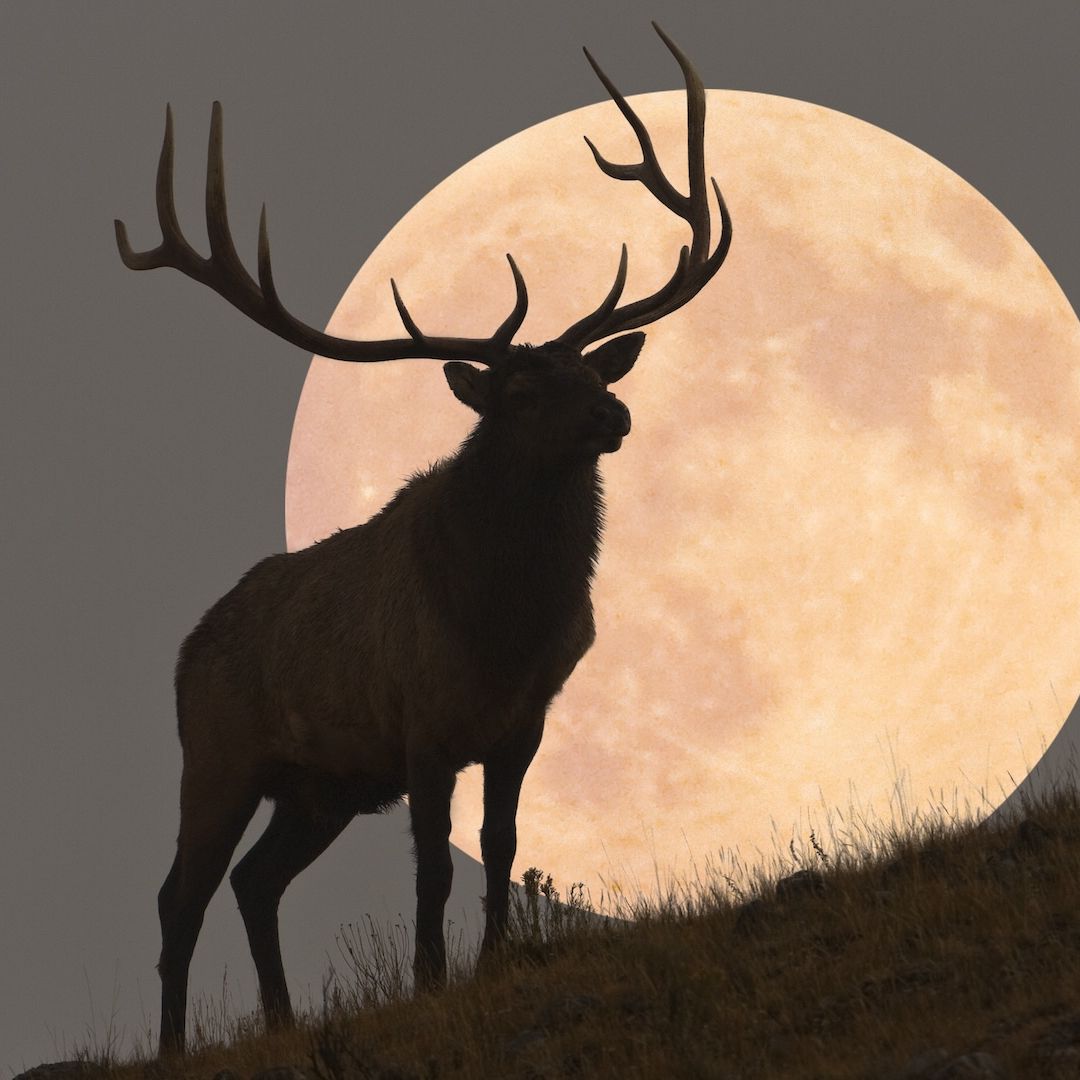
Skywatchers and nature enthusiasts are in for a celestial treat this month with the arrival of July’s full moon, traditionally known as the Buck Moon. This annual event offers a captivating opportunity to observe one of the most radiant full moons of the summer, providing a moment to connect with nature and marvel at the nighttime sky.
The Buck Moon, named by Indigenous communities and early colonists in North America, is called so because it coincides with the season when male deer, referred to as bucks, start their antler regeneration. This name underscores the profound link between natural cycles and ancestral knowledge handed down over time. Today, the Buck Moon remains captivating to stargazers globally, merging cultural heritage with astronomical marvel.
Este año, la luna llena de Buck decorará el firmamento a mediados de julio. Aunque la fecha exacta puede variar un poco según la zona horaria y el lugar, la luna alcanzará su plenitud y brillantez en la noche del 21 de julio. Para una experiencia óptima de avistamiento, se sugiere observar el horizonte sureste poco después de la puesta del sol cuando la luna se eleva majestuosamente en el cielo.
The full moon will reach its peak at approximately 6:17 a.m. Eastern Time on July 21, but it will appear nearly full on the nights before and after this peak. As with all full moons, the best visibility will occur when the moon is high in the sky and unobstructed by city lights or adverse weather conditions. Rural areas and open landscapes offer the ideal settings for observing the moon in all its glory.
One of the reasons the Buck Moon draws such interest is its timing during the heart of summer in the Northern Hemisphere. The warm nights and longer daylight hours create a comfortable environment for outdoor gatherings, moonlit walks, and amateur astronomy. Many people use this time to host picnics, campouts, or simply step outside to enjoy the celestial display.
For individuals interested in the phases of the moon, July’s full moon offers a great chance to learn. The lunar cycle, taking approximately 29.5 days, moves through specific stages: new moon, waxing crescent, first quarter, waxing gibbous, full moon, waning gibbous, last quarter, and waning crescent. The full moon is when the entire surface of the moon is lighted up by the sun, showing its greatest brightness to Earth.
Astronomers and casual observers frequently take advantage of this period to capture photographs of the moon or examine its surface characteristics. By looking with the unaided eye, observers can enjoy the light and shadow patterns known as lunar maria and highlands, which provide the moon with its unique look. Individuals using telescopes or binoculars are able to investigate craters, ridges, and other geological structures with more precision.
In addition to its visual appeal, the Buck Moon has symbolic and spiritual significance in various cultures. For some, it marks a time of renewal, abundance, and reflection. In agricultural traditions, the full moon served as a natural calendar, guiding planting and harvesting activities. Even today, many people incorporate lunar phases into their personal rituals or mindfulness practices, using the moon as a focal point for meditation or goal-setting.
The July Buck Moon also coincides with other celestial events that enhance the night sky experience. This month often features the early appearance of the Delta Aquariids meteor shower, which typically peaks later in July but can produce sporadic shooting stars throughout the month. Additionally, bright planets such as Saturn and Jupiter may be visible, adding extra dimension to stargazing sessions.
To maximize your experience of the Buck Moon, consider planning an evening outdoors away from artificial lights. National parks, nature reserves, or even suburban backyards can provide suitable vantage points. Bring along a blanket, binoculars, or a telescope, and check local weather forecasts to ensure clear skies.
Photography enthusiasts can capture stunning images of the full moon using modern smartphone cameras, DSLR cameras, or even simple point-and-shoot devices. Experimenting with exposure settings and composition can yield memorable shots, especially when the moon is low on the horizon and framed by trees, buildings, or natural landscapes.
For families and educators, the Buck Moon offers a fun and educational opportunity to teach children about astronomy, natural history, and the interconnectedness of life on Earth. Simple activities such as identifying moon phases, storytelling around the significance of the Buck Moon, or creating moon-themed art can engage young minds and spark curiosity.
As modifications in natural landscapes occur due to climate change and urban growth, dedicating moments to witness occurrences such as the Buck Moon can enhance our gratitude for Earth and the universe. Observing the stars promotes attention, tranquility, and amazement—traits that are becoming more essential in our rapidly moving society.
For individuals who favor digital tools, numerous smartphone applications and online platforms are available to monitor the moon’s phases, its rise and set timings, as well as optimal viewing conditions. These resources simplify the process of organizing a moonwatching adventure tailored to personal timetables and tastes.
In certain areas, local astronomical societies or nature groups organize full moon gatherings, which may feature guided hikes, telescope observations, and informative presentations. Taking part in these community activities can enrich the experience and create chances to connect with others who have a shared enthusiasm for stargazing.
In summary, the July Buck Moon presents an enchanting occasion to reconnect with nature, explore astronomical phenomena, and partake in age-old traditions of moonwatching. Whether observed alone in quiet reflection or shared with friends and family, this celestial event reminds us of the beauty and mystery that the universe offers every month, right above our heads.
Reserve la fecha para la noche del 21 de julio y prepárese para admirar el esplendor de la Buck Moon, un símbolo eterno de la magnificencia del verano y los ritmos perpetuos de la naturaleza.