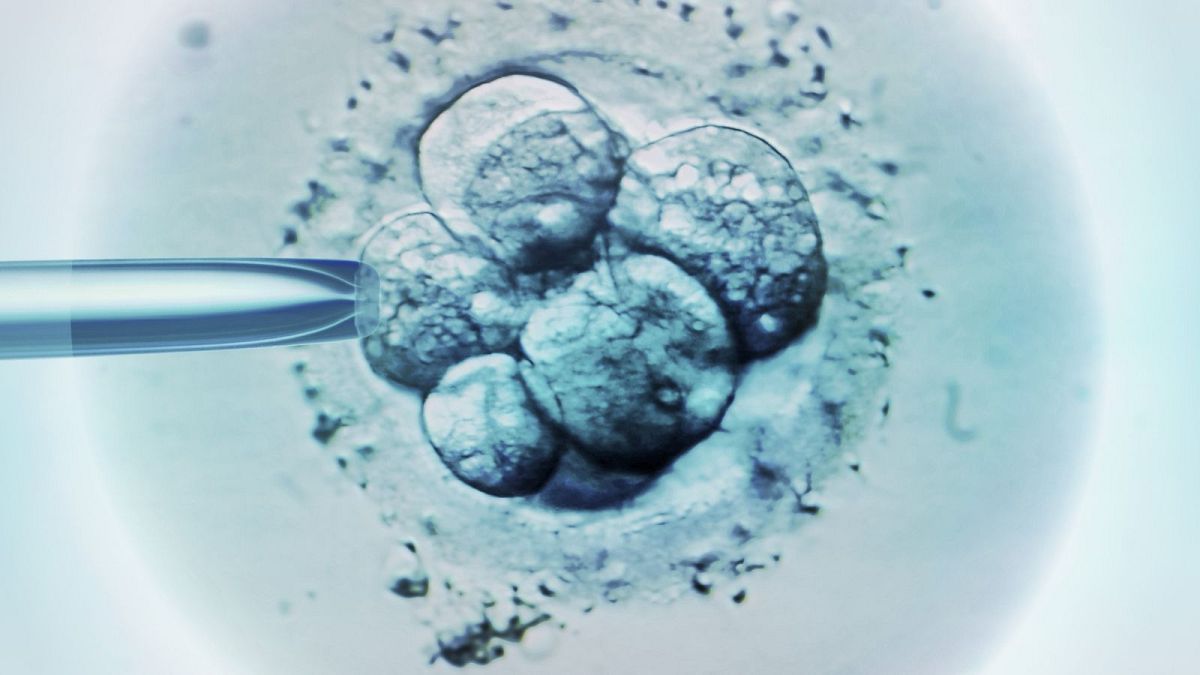
Researchers exploring the possibilities of synthetic human reproduction are inching closer to a future where creating life might not require traditional reproductive cells—sperm or egg. While science has not yet crossed that threshold, recent developments in stem cell biology are prompting renewed discussions around the ethical, biological, and societal implications of creating human embryos using lab-generated cells.
At the center of these discussions are embryoid models, or “synthetic embryos,” which are clusters of stem cells manipulated to mimic the earliest stages of human development. These entities do not use sperm or eggs, nor do they implant in a womb. Instead, they are cultivated in laboratory settings, offering scientists valuable insight into embryogenesis—the process by which an embryo forms and develops.
The primary goal behind these studies is not to create life without reproduction, but rather to deepen understanding of early development, miscarriage, and congenital disorders. Yet, as synthetic embryo models become increasingly complex, closely resembling natural embryos, the line between scientific advancement and ethical overreach becomes less clear.
Embryoids, or embryo-like structures created from pluripotent stem cells, have been developed in mice and now in humans, though human versions remain at a significantly earlier stage. In mice, scientists have been able to coax stem cells into forming structures that include rudimentary organs, a neural tube, and even a beating heart. Though these models never develop into full organisms, their increasing biological similarity to natural embryos has generated global interest—and concern.
Human embryoids do not yet replicate all the hallmarks of a viable embryo. They lack the structures required for implantation in a uterus and cannot survive beyond a certain developmental window. Still, their utility in research is unparalleled. They allow scientists to observe early cellular behaviors without the ethical complications of working with fertilized embryos, which are often limited by legal and regulatory constraints.
Los científicos enfatizan que el propósito de esta investigación es explorar, no reproducir. Examinar embriones naturales puede ser complicado por las restricciones legales y morales, además de la limitada disponibilidad de material. Los embriones sintéticos ofrecen una solución a este problema, proporcionando un método éticamente diferente para investigar por qué fallan los embarazos, cómo surgen las anomalías genéticas y cómo funciona la señalización temprana en las células.
Additionally, these models are applied to assess the safety of new medications during pregnancy or examine the underlying causes of infertility. The capability to monitor development in a regulated setting provides opportunities for early interventions and preventive healthcare.
Despite the scientific optimism, ethical considerations loom large. Some researchers worry that, as embryoid models become more advanced, society will struggle to define the moral status of these creations. At what point does a cell cluster become an entity deserving of rights or protections? If these models mimic development too closely, should there be restrictions on how long they can be grown or what experiments are allowed?
Currently, most regulatory frameworks are not equipped to address synthetic embryo models. In many countries, laws governing embryo research were written before this technology existed, focusing solely on fertilized embryos created through in vitro fertilization (IVF). As a result, embryoids often exist in a legal gray zone.
In the United States, for example, federal funding restrictions apply to research involving human embryos, but not to synthetic models that don’t result from fertilization. This distinction gives researchers leeway but also raises questions about oversight and consistency.
Some ethicists and scientific organizations are calling for new, internationally coordinated guidelines to ensure that embryoid research progresses responsibly. The International Society for Stem Cell Research (ISSCR) has proposed that synthetic embryo models be monitored with the same care and ethical scrutiny as traditional embryos, especially as they grow more sophisticated.
The concept of generating life solely within a laboratory—absent of sperm, egg, or uterus—remains solidly within the domain of science fiction. Although embryoids can replicate some developmental aspects, they do not possess the complete genetic, structural, and environmental components required for viability. Present models are unable to implant into a uterus or progress beyond the initial stages of development.
Still, the pace of advancement is fast. In 2023, researchers in Israel created mouse embryoids that survived for eight days—half the gestational period for a mouse—using only stem cells. They developed a neural tube, a beating heart, and blood circulation. Though these were far from full organisms, they suggested that complex development is possible in the lab under certain conditions.
These investigations spark curiosity: if mouse embryoids can progress to such an extent, could human embryoids reach the same stage in the future? And if they can, what implications would that have for our understanding of reproduction, parenthood, or potentially humanity itself?
As stem cell technologies advance, the scientific community faces a crucial challenge: ensuring innovation proceeds hand in hand with ethical reflection. Creating sophisticated models of human development may revolutionize medicine, but it also requires careful consideration of boundaries.
La participación pública será crucial. Es necesario un diálogo abierto entre científicos, especialistas en ética, legisladores y la sociedad en general para crear políticas que representen valores comunes y promuevan un avance responsable.
As things stand, the ability to create life without the use of sperm or eggs is out of the scientific grasp. However, each advancement in synthetic biology and the manipulation of stem cells intensifies the discussion about the definition of life and who has the authority to determine its course.
As laboratories push the frontiers of human development research, the world will need to reckon with profound questions that challenge existing norms and legal definitions. And while the promise of understanding life from its earliest moments is extraordinary, ensuring that promise is matched with responsibility will be the true measure of scientific maturity.