In the history of cinema, few moments have been as instantly recognizable and profoundly influential as the high-pitched, stabbing violins that accompany the infamous shower scene in Psycho. Composed by Bernard Herrmann, this score didn’t merely serve as background music — it became an integral part of the psychological terror that gripped audiences and left an indelible mark on the way filmmakers approached suspense.
Before Psycho, film scores often worked subtly, reinforcing mood or emotion without drawing attention to themselves. Herrmann’s approach was radically different. His use of shrill string instruments, stark rhythms, and minimal melodic variation broke conventions and redefined how music could shape the viewer’s emotional experience. The score didn’t just underscore the horror — it amplified it, made it inescapable, and cemented its place in cinematic memory.
One of the most groundbreaking aspects of Herrmann’s composition was its use of a string orchestra alone. While many composers at the time used full orchestras to convey grandeur or emotion, Herrmann opted for a more stripped-down ensemble. The result was raw, tense, and unnerving — a sonic landscape that perfectly mirrored the psychological unraveling unfolding on screen. This creative decision was not only budget-friendly but also artistically revolutionary. The limitations became the foundation for innovation.
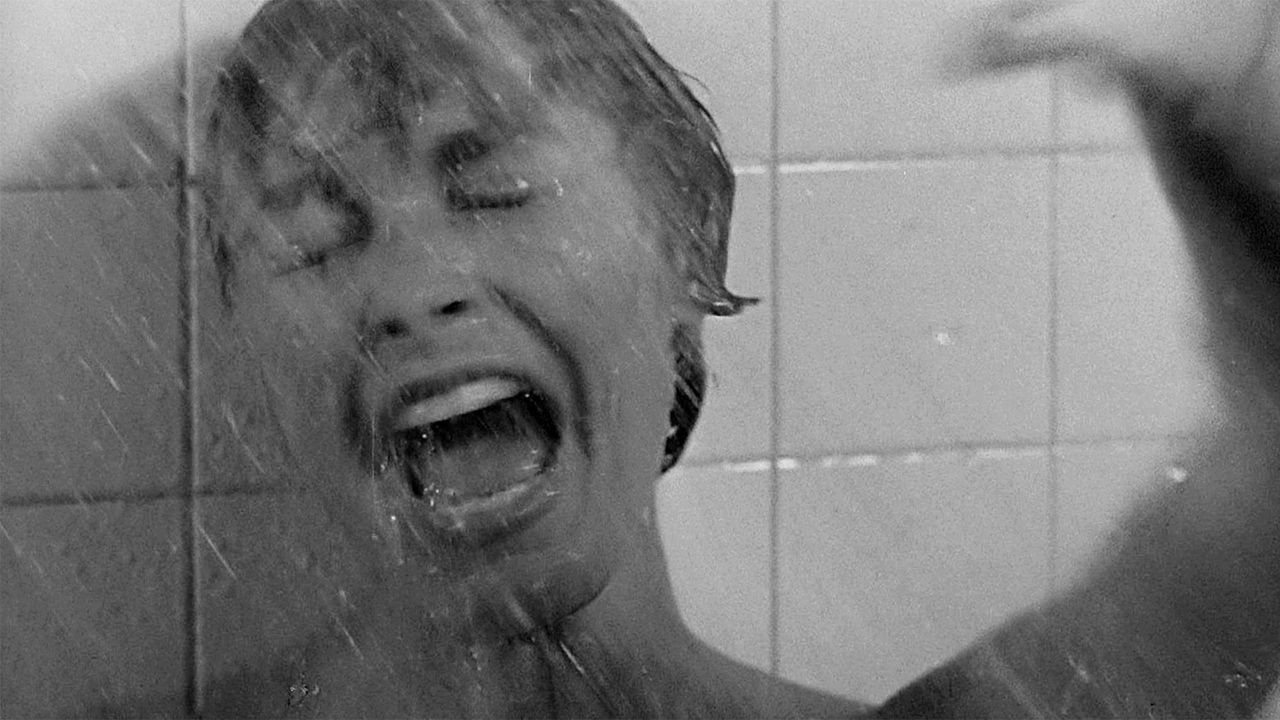
The notorious “shower scene,” in particular, owes much of its impact to the score by Herrmann. Without it, the images, which were startling for the era, might not have provided the same intense shock. Director Alfred Hitchcock initially intended to show the scene without any music. However, after listening to Herrmann’s piece, he revised his plans. The sharp strings underscored each stab of the knife with an intense urgency, embedding the sound into cultural memory. To this day, that screeching theme is closely associated with danger and surprise.
What makes Psycho’s music so enduring isn’t just its association with horror. It’s the way it set a template for building and sustaining tension. Filmmakers and composers across genres have drawn inspiration from Herrmann’s techniques. The idea that music can do more than support a scene — that it can become a character in its own right — has its roots in Herrmann’s work.
Modern thrillers and horror films owe a debt to Psycho. The jump scares in contemporary cinema, the rising crescendos before a reveal, the sudden silence followed by explosive sound — these tools of cinematic suspense often trace back to Herrmann’s innovations. Directors and composers continually reference Psycho as a masterclass in tension building, both as homage and as a foundation upon which to build something new.
Herrmann’s influence extended far beyond Psycho. His collaborations with Hitchcock on films like Vertigo and North by Northwest also showcased his knack for weaving music into the psychological fabric of a story. However, it was Psycho that pushed the boundaries the furthest. The score’s daring and minimalism opened the door for experimentation in film composition, particularly in genres that rely heavily on atmosphere.
Moreover, Herrmann’s work shifted the role of the film composer. It wasn’t just about crafting melodies; it was about creating mood, tension, and even narrative layers. Music became a tool for subtext. In scenes where dialogue fell silent, scores like Herrmann’s filled the gap, guiding audience emotions and often adding a level of complexity to the characters’ inner lives.
Throughout the years, a new wave of composers, from John Williams to Hans Zimmer, has recognized Herrmann’s impact. His mark is noticeable not only in horror but also in science fiction, thrillers, dramas, and even animated films. The psychological intensity his compositions introduced in Psycho has set the standard for narrative expression through music.
Outside the realm of cinema, the score of Psycho has infiltrated mainstream culture. It has been humorously imitated, mentioned, and altered numerous times. From TV advertisements to seasonal Halloween soundtracks, those sharp violins are instantly recognizable, frequently serving as a symbol for tension or looming danger. It’s uncommon for any music cue to achieve such widespread recognition, yet the Psycho score accomplished this with a minimalist orchestra.
The enduring significance of Herrmann’s score reflects its genius. It not only added to Psycho — it completely altered it. In numerous aspects, envisioning the movie with a similar enduring influence without the soundtrack is challenging. This highlights the crucial role sound plays in defining a story and steering viewer interpretation.
Today, whether in film school classrooms or professional editing suites, Psycho’s music is still studied, dissected, and referenced. It remains a powerful lesson in how to manipulate tension, emotion, and psychological intensity through auditory design. For anyone working in visual storytelling, it offers a blueprint on how to wield music not just as a decorative element but as a narrative force.
In redefining what a film score could achieve, Bernard Herrmann didn’t just support a story — he reshaped an entire genre. His work on Psycho broke new ground, and in doing so, forever altered the relationship between music and cinema. Even now, more than six decades later, his score remains a benchmark — a timeless reminder of how sound can make audiences feel something they’ll never forget.