

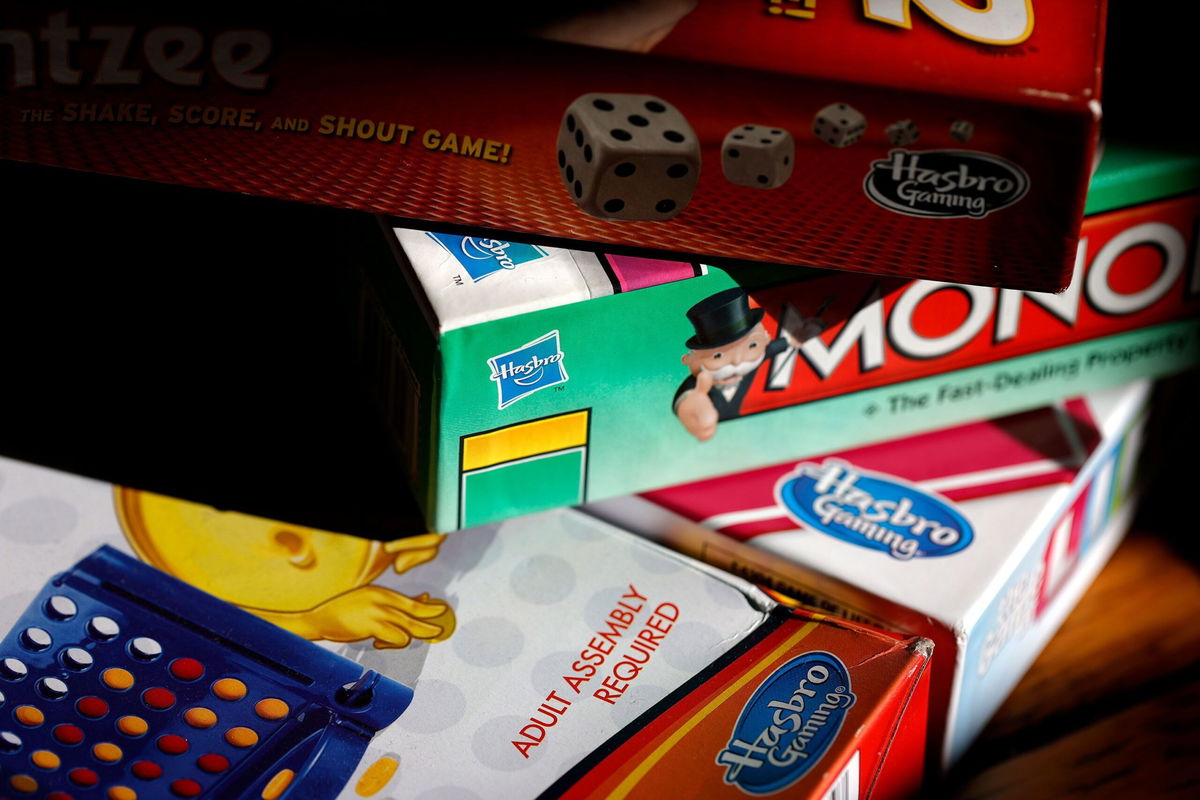
The global toy industry may soon face higher costs, with Hasbro, one of the world’s largest toy manufacturers, signaling that consumers could see toy prices rise later this year as a result of newly proposed tariffs. The company’s chief executive officer recently shared concerns that planned changes to trade policies could have a direct impact on production expenses, which may inevitably be passed on to buyers.
The possibility of rising prices comes at a time when the toy market, like many other consumer goods sectors, continues to navigate the complex realities of a shifting global economy. Hasbro, known for producing some of the most beloved toys and games in the world, including brands like Monopoly, Nerf, Play-Doh, and My Little Pony, has experienced both challenges and successes in recent years as consumer behaviors evolve and economic pressures mount.
The alert concerning possible price hikes is linked to the continuous talks regarding tariffs on products imported from China. The U.S. administration has been evaluating tariff strategies that might substantially influence the pricing of various items, including toys, a significant number of which are produced in China and then distributed globally. Hasbro’s executives have admitted that if these tariffs are implemented, the economic burden on manufacturing could become excessively heavy for businesses to handle completely, leading to necessary modifications in store prices.
Although the suggested tariffs have not been finalized yet, they have already caused worry among toy producers, sellers, and industry experts. For Hasbro, which depends significantly on its manufacturing partners in Asia for its global supply chain, the implementation of extra tariffs is expected to raise production costs by a substantial amount. These cost hikes could affect not only the company’s profits but also consumer interest, especially in markets that are price-sensitive.
The timing of these potential price hikes is also significant. With the fall season traditionally marking the beginning of the critical holiday shopping period, any increases in toy prices could have far-reaching effects on purchasing patterns. Families typically increase their spending on toys and games in preparation for holidays such as Christmas and Hanukkah, and higher prices may force consumers to reconsider their spending or seek alternative, less expensive options.
The toy industry is not unfamiliar with the impact of tariffs and trade policy shifts. Past disputes and tariff implementations have previously caused temporary increases in costs or forced companies to seek alternative manufacturing solutions. However, the current economic environment presents additional complications, including lingering inflation, rising labor costs, and ongoing supply chain disruptions that have yet to fully stabilize following the COVID-19 pandemic.
Hasbro’s leadership has indicated that the company is exploring multiple strategies to manage the potential financial impact of new tariffs. Among these are diversifying manufacturing locations, negotiating with suppliers, and assessing supply chain efficiencies. Nonetheless, despite these proactive efforts, the reality remains that tariffs of this scale could result in cost increases that would likely be shared, at least in part, with the end consumer.
In recent years, Hasbro has encountered financial strains related to the costs of raw materials, shipping hold-ups, and fluctuations in currency values. Introducing further trade restrictions might intensify these issues, complicating the company’s ability to sustain its existing price points without affecting its profit margins. This precarious juggling act is well-known among consumer goods firms, where they must carefully consider both shareholder demands and the sensitivity of consumers to prices.
The broader economic implications of potential toy price increases extend beyond Hasbro itself. Retail partners, both in brick-and-mortar stores and online marketplaces, could also be affected by changes in pricing structures. If toy prices rise significantly, retailers may see shifts in consumer behavior, with shoppers potentially reducing the quantity of items purchased or opting for lower-cost alternatives. Smaller toy brands, which may lack the financial flexibility of industry giants like Hasbro, could face even greater challenges in absorbing or offsetting the effects of tariffs.
Parents and caregivers, who often rely on toys not only for entertainment but also for educational and developmental purposes, could find themselves having to make difficult decisions in the face of higher prices. This could result in increased demand for second-hand toys, budget-friendly alternatives, or experiences in place of material gifts. Economic studies have shown that price sensitivity in the toy market is particularly pronounced, especially among families with limited discretionary income.
Hasbro’s concerns over tariffs also bring to light the increasingly interconnected nature of global trade and the vulnerability of certain industries to geopolitical developments. The toy industry, while seemingly simple in its end products, is deeply reliant on complex international supply chains that span continents. From sourcing materials to manufacturing to distribution, each step in the process can be influenced by policies set thousands of miles away.
The potential for higher toy prices is not solely the result of government tariffs. Broader inflationary trends, rising energy costs, and supply chain adjustments are all contributing factors that have been influencing the cost structures of consumer goods companies across industries. However, the specific threat of targeted tariffs on toys creates an added layer of complexity that could accelerate price changes within this particular sector.
Hasbro, which has consistently been one of the leading players in the global toy market, has adapted to change many times before. The company has weathered shifts in consumer preferences, technological advances, and the rise of digital entertainment that has challenged traditional toy sales. Despite these pressures, Hasbro has maintained its relevance by investing in innovation, licensing popular entertainment properties, and expanding into digital gaming and interactive experiences.
The company’s latest statements on tariffs express not only a prompt worry about rising costs but also a calculated attempt to openly discuss with consumers, investors, and partners the external difficulties it confronts. By indicating the likelihood of price hikes far ahead of time, Hasbro seems to be readying stakeholders for possible changes while gently nudging policymakers to think about the wider economic impacts of new trade restrictions.
The matter of toy tariffs is embedded in a broader conversation concerning the future of international trade partnerships, especially between the United States and China. Although tariffs are frequently presented as mechanisms to safeguard local industries, they might also yield unexpected effects for businesses dependent on worldwide supply chains. In the toy sector, where cost-effectiveness and affordable pricing are crucial for success, tariffs create substantial unpredictability.
Industry watchers have noted that while some companies have sought to relocate manufacturing to other countries in response to previous trade tensions, such transitions take time, resources, and careful planning. Moving production from China to other markets such as Vietnam, India, or Mexico may offer long-term solutions, but these shifts cannot be executed overnight without risking disruptions to product availability or quality.
The specter of new tariffs also raises important questions about the resilience of the toy industry and its ability to adapt to ongoing global economic volatility. Companies like Hasbro must not only manage immediate cost pressures but also position themselves for long-term competitiveness in a rapidly changing world. This includes embracing sustainability, digital transformation, and new consumer expectations, all while navigating the external pressures of trade and policy.
For shoppers, the upcoming months might introduce slight yet observable shifts at the register. If Hasbro and other toy producers proceed with altering prices due to tariffs, it is possible that by the holidays, the price of well-known brands will have risen. How buyers react to these adjustments—whether by spending less, opting for store-brand substitutes, or altering gift-giving habits—is yet uncertain.
From an economic perspective, the possibility of higher toy prices also reflects broader patterns of inflation and supply chain realignment that are affecting multiple industries simultaneously. What happens in the toy aisle may well mirror trends in other consumer sectors, as companies grapple with the cumulative effects of geopolitical uncertainty, rising costs, and changing market demands.
Hasbro’s careful statement regarding potential price hikes provides insight into the intricate choices facing international businesses in the current climate. Although the company continues to focus on providing high-quality products to kids and families across the globe, the future might require challenging compromises influenced by external factors.
As discussions around tariffs continue to evolve, and as policymakers weigh the benefits and drawbacks of new trade measures, the toy industry will be watching closely. For now, Hasbro’s warning serves as an early indicator of the potential challenges ahead, reminding both consumers and businesses that in a global economy, even seemingly distant policy decisions can have direct and tangible effects on everyday products.



.jpg "How tourism and new projects boost Cap Cana real estate in 2026")