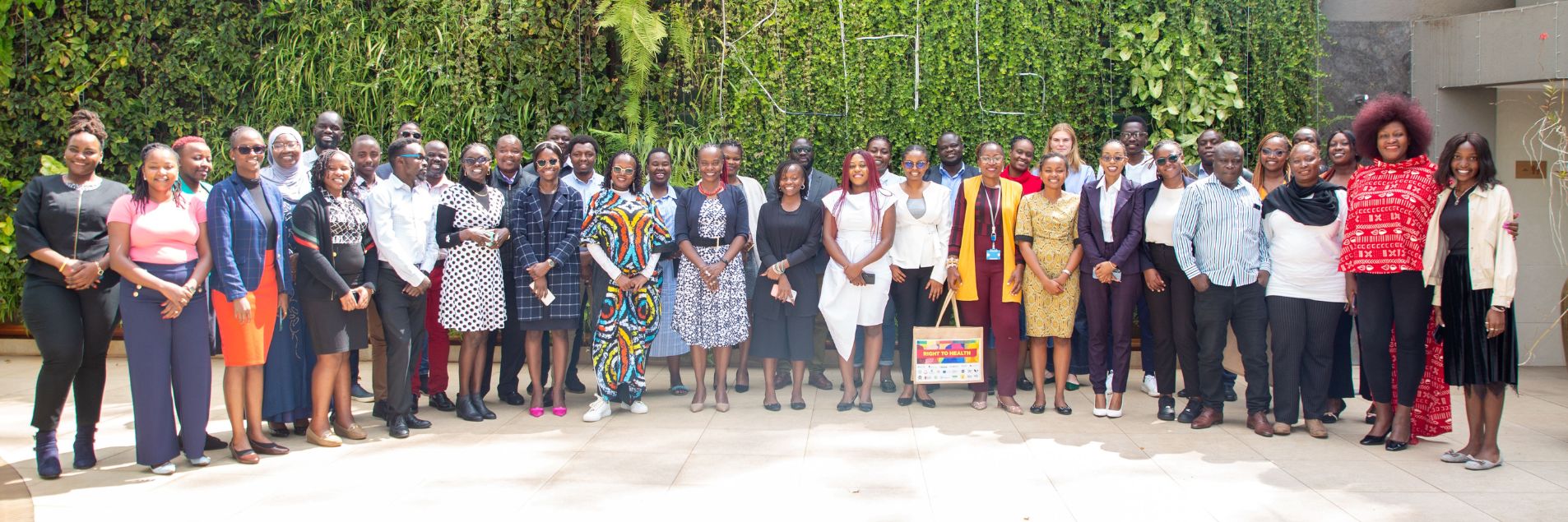
Comprehending the Participation of Young Individuals in NGO Endeavors
The participation of young people in Non-Governmental Organization (NGO) projects is an essential component in fostering community development and driving social change. This commitment not only empowers the youth but also injects fresh perspectives into organizational missions dedicated to societal well-being. This article delves into the various dimensions of youth involvement in NGOs, exploring the roles they play, the benefits they bring, and the impact of their engagement.
Roles Undertaken by Youth in NGO Projects
The roles that young individuals assume within NGO projects are diverse and numerous. Some of the most common roles include volunteering, advocacy, project management, and research:
1. Volunteering: Taking part in volunteer activities is often a starting point for numerous young people in non-profit organizations. It includes engaging in tasks like planning events, reaching out to the community, and providing logistical assistance. For instance, during efforts to clean the environment or when conducting fundraising activities, young volunteers frequently serve as the essential workforce, ensuring everything runs efficiently.
2. Advocacy: Youth are active in advocating for causes that resonate with their values. Through campaigns, they utilize social media platforms to raise awareness and amplify the message of NGOs. A case in point is the global climate strikes led largely by youth activists, which have garnered widespread attention and mobilized public discourse on climate policy.
3. Project Management: In some cases, NGOs entrust young people with the responsibility of managing projects. This role requires critical thinking and organizational skills to oversee activities that align with an organization’s strategic goals. By leading initiatives like education programs or health awareness campaigns, youths gain firsthand experience that augments their leadership capabilities.
4. Research: Many NGOs benefit from the analytical skills of young researchers. Their involvement can range from data collection to policy analysis, contributing to reports that bolster advocacy efforts. Young researchers in global health NGOs, for example, provide invaluable insights into local healthcare challenges, enabling targeted intervention strategies.
The Advantages of Involving Young People in Nonprofit Organizations
La participación de jóvenes en organizaciones no gubernamentales trae significativas ventajas tanto para las entidades, como para las personas y la comunidad en general:
1. Creativity and Innovation: Young individuals introduce fresh solutions and imaginative concepts, revitalizing NGO programs. Their skill with technology and digital communication provides NGOs with novel ways to connect with stakeholders and allows for the implementation of creative tools in project management.
2. Skills Development: Engaging with NGOs allows young individuals to develop essential skills such as leadership, communication, and teamwork. According to a study by the International Youth Foundation, young individuals who participate in NGO activities are more likely to develop competencies that enhance their future employability.
3. Social Impact and Empowerment: Active participation in NGO projects empowers youth to drive meaningful social change. By contributing to efforts that tackle issues like poverty, education, and health, they champion social equity and foster an inclusive community.
Impact of Youth Participation on NGO Success
The effect of involving young people in the accomplishments of NGOs is significant and complex. Their passion and commitment invigorate organizational initiatives, often leading to higher volunteer involvement and expanded project impact. The worldwide structure of youth movements illustrates their effect on shaping public policy, highlighting their crucial role in addressing social and environmental challenges. NGOs that harness youth engagement often have a stronger capacity to meet sustainable development goals and drive change both locally and globally.
Reflecting on these insights, it is evident that youth involvement in NGO projects is not just beneficial but crucial. The dynamic roles they undertake, combined with the unique perspectives they offer and the skills they gain, make them indispensable assets in the efforts to advance societal development. Integrating young individuals in meaningful ways continues to be a strategic priority for NGOs dedicated to long-term growth and impact.