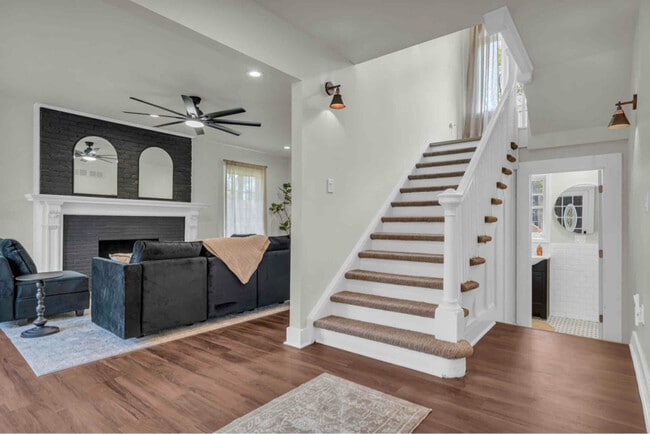
Should You Choose to Rent or Purchase a House?
Is the classic dilemma between purchasing and leasing a home more pertinent today than in the past? The real estate market is undergoing changes, driven by economic patterns, demographic shifts, and changes in how homeownership is perceived culturally. Making the decision requires careful consideration of personal circumstances, financial situations, and lifestyle preferences. It is crucial to comprehend both perspectives with accuracy and insights based on data before making this significant life decision.
Financial Truths: Evaluating Renting versus Buying
Upfront and Ongoing Costs
Leasing generally entails an upfront security deposit along with the rent for the initial month. Conversely, acquiring a property involves a down payment, typically between 3% and 20% of the property’s price, in addition to closing costs, appraisal fees, and various legal expenses. For instance, buying a property valued at $300,000 may demand an immediate cash expenditure of $15,000 to $60,000, not including ongoing mortgage installments, insurance, property taxes, association dues, and upkeep.
Liquidity and Cost of Opportunity
The money tied up in a house as a down payment is not readily accessible for other investments. Renting leaves more cash in hand, potentially free to earn returns in the stock market, retirement funds, or to support entrepreneurial ventures. For instance, if a renter invests the $30,000 down payment in an index fund with an average annual return of 7%, over ten years, that money could grow to over $59,000—compared with uncertain home appreciation during the same period.
Monthly Costs Throughout the Months
Renters typically face predictable monthly payments, subject to lease agreements, but may experience rent increases over time. Homeowners, on the other hand, may have stable fixed-rate mortgage payments but are also exposed to variable costs such as repairs, property taxes, and fluctuating insurance premiums. A major unexpected expense—like a new roof or a broken furnace—can significantly impact a homeowner’s budget.
Wealth Building: Equity and Market Trends
Home Equity and Forced Savings
One often mentioned benefit of owning a home is the buildup of equity. As homeowners make mortgage payments, they increase their equity—a way of saving that is essentially required. Over many years, this can form a substantial part of a person’s net wealth. As per the 2022 Survey of Consumer Finances by the U.S. Federal Reserve, the median net wealth of homeowners was almost 40 times greater than that of renters, mainly because of home equity.
Risks and Volatility
However, this advantage comes with risk. Real estate markets are subject to cyclical downturns. Home prices fell more than 20% during the 2008 financial crisis and took years to recover in many areas. Job losses or forced relocations during a market slump can lead to losses or being “underwater” on a mortgage. Renters, in contrast, maintain flexibility to move without facing potential capital loss.
Lifestyle Flexibility and Personal Priorities
Mobility and Personal Freedom
Renting affords mobility, ideal for those whose careers require frequent moves or who enjoy living in various cities. Lease agreements often run for just a year, with few strings attached. For example, professionals in technology or academia, who may change postings every two to three years, find renting aligns with their nimble lifestyle needs.
Owning a home is ideal for individuals desiring stability or the opportunity to customize their living areas. Owners have the freedom to renovate and tailor their surroundings without needing approval from a landlord. Households with kids might focus on obtaining ongoing access to educational facilities, community connections, and consistent social networks, which purchasing a property can support more conveniently.
Geographic and Market Influences
Regional Price Variations
The rent-versus-buy calculus varies significantly between locations. In coastal cities—San Francisco, New York, Seattle—high property prices mean that monthly mortgage payments can far exceed rent for a comparable dwelling. In the Midwest or smaller towns, where property values and taxes are lower, buying may often be less expensive than renting when viewed long-term.
Rent Ratio as a Guide
Financial analysts often utilize the price-to-rent ratio to assess relative worth. This metric is determined by dividing the area’s median home price by the median yearly rent. Ratios exceeding 21 indicate that renting is more cost-effective, whereas those under 15 indicate buying might be the better option. For instance, with a median home price of $400,000 and a median yearly rent of $18,000, the ratio would be 22.2, implying renting could be more advantageous.
Research Examples: Stages of Life and Housing Options
Single Urban Professionals
Emily, a software engineer in her early thirties, rents a one-bedroom apartment in Boston. Her company encourages frequent relocation, so she values the freedom to explore new markets and avoids the costs of selling a property. By investing savings in a retirement fund, she expects significant long-term growth.
New Parent Groups
Conversely, the Williams family purchased a home in a suburban area known for excellent public schools. Their monthly mortgage costs exceed the local rental prices, yet they value stability, having a backyard, and participating in the local community. Over ten years, they aim to increase their property value while appreciating the personal advantages of owning a home.
Retirees and Downsizers
After selling their spacious home, John and Maria decided to rent an apartment in the city center in their sixties. Freed from the responsibilities of upkeep and property taxes, they can now travel more frequently and use the funds from the sale of their home to supplement their retirement income.
Taxation and Government Policy Impacts
Tax incentives, such as mortgage interest deductions or first-time buyer credits, can improve the economics of buying, but such benefits fluctuate with policy changes. Likewise, rent controls in some cities aim to limit rent increases, altering the financial landscape in favor of renters. Carefully researching local laws and incentives is essential before making a commitment.
The Non-Tangibles: Safety, Contentment, and Pressure
Financial spreadsheets cannot capture emotional comfort, peace of mind, or the stress of unexpected repairs. Some derive immense satisfaction from tending a garden or knowing their monthly payment contributes to long-term ownership. Others cherish the minimal upkeep and light responsibility afforded by renting.
Thoughtful Summary
Deciding whether to rent or purchase a home doesn’t lend itself to a one-size-fits-all solution. Each option involves financial, practical, and emotional aspects that intersect differently for every family. By examining one’s financial situation, local market trends, and lifestyle objectives, people can develop a housing plan that matches their present needs and future ambitions. Carefully analyzing these options, along with detailed research, provides the best sense of control and satisfaction, whether living under your own roof or someone else’s.