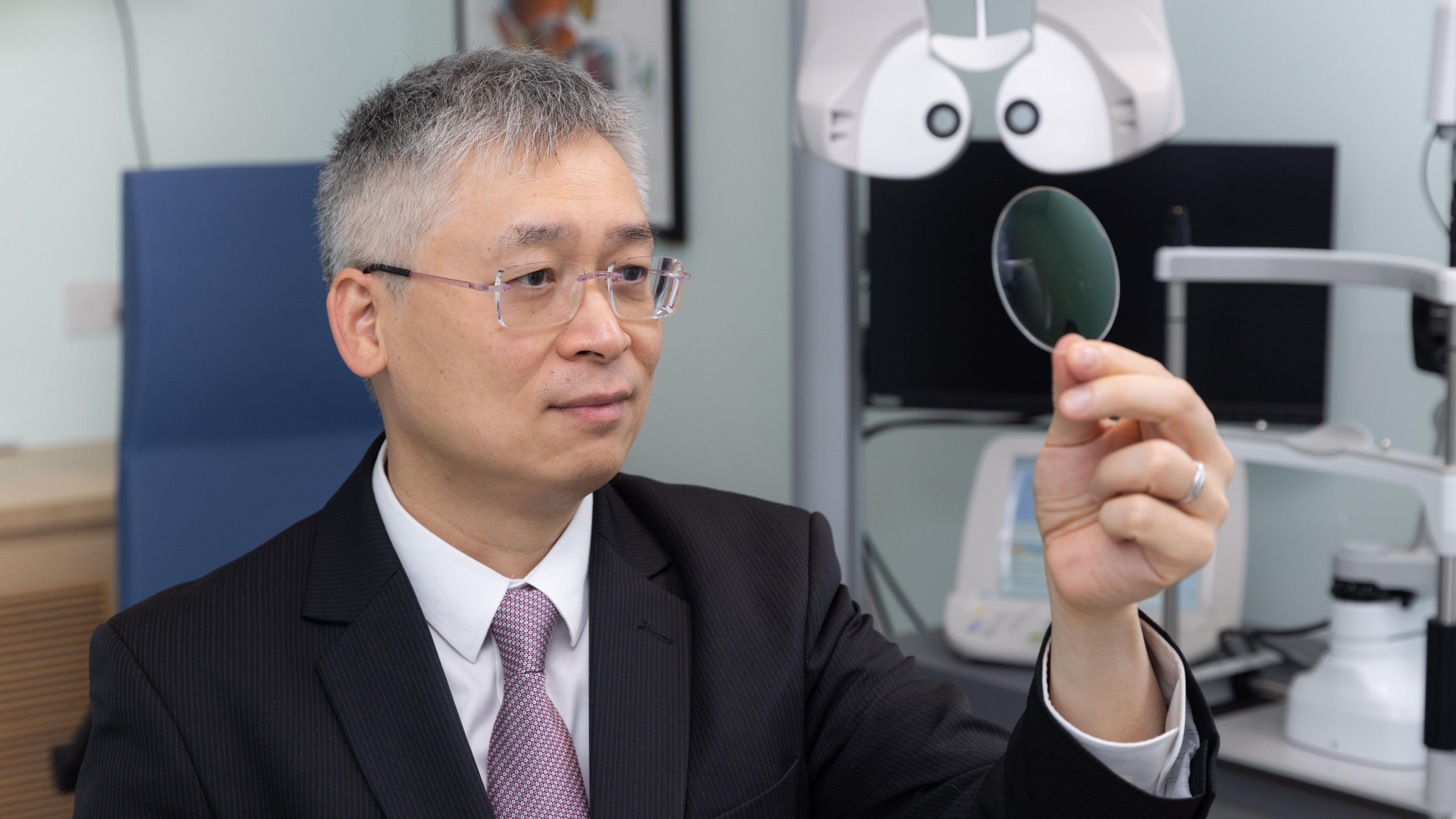
Advancements in optical technology are transforming the way people see the world, with new developments promising a future where glasses can automatically adjust focus, providing sharp vision at varying distances without the need for multiple pairs or bifocal lenses. These next-generation eyeglasses, often referred to as “autofocus” or “adaptive focus” glasses, are capturing attention for their potential to revolutionize how individuals manage vision challenges such as presbyopia and other age-related sight conditions.
Presbyopia is a widespread vision problem that usually starts impacting people past the age of 40, leading to a reduced capacity of the eyes to focus on nearby items because of the stiffening of the eye’s natural lens. In the past, those experiencing presbyopia have turned to reading glasses, bifocals, or progressive lenses to address this loss of adaptability. Nonetheless, these options frequently involve trade-offs. Bifocals and progressives necessitate that wearers alter their head position to view clearly through various sections of the lens, and alternating between several pairs of glasses can be awkward and impractical.
The new wave of autofocus glasses aims to eliminate these challenges by using sophisticated technology that adjusts the focus of the lenses in real time. Instead of static lens shapes, these innovative spectacles use sensors, liquid lenses, and smart algorithms to continuously adapt to the wearer’s visual needs, whether reading a book, looking at a smartphone, or gazing across a room.
At the core of this technology is the concept of dynamic lenses. Unlike traditional fixed lenses, these adaptive lenses can change their optical power to bring objects at different distances into focus instantly. Some designs use liquid crystal materials or fluid-filled chambers that can shift shape when an electric current is applied. Others employ mechanical systems or electro-optical processes to achieve similar results. The glasses detect where the user is looking and how far away the object is, then adjust the lens accordingly.
One notable advantage of autofocus glasses is the seamless visual experience they provide. Wearers no longer need to tilt their heads or strain their eyes to find the “sweet spot” of their glasses. Whether switching from near to far or vice versa, the adjustment is smooth, automatic, and nearly imperceptible. This creates a more natural and comfortable visual experience that closely mimics how the human eye is designed to function.
For individuals with complex vision needs—such as those with multiple prescriptions or conditions like astigmatism—the potential of autofocus technology is particularly appealing. It offers the possibility of consolidating several vision aids into a single pair of glasses that can meet diverse needs throughout the day, reducing dependence on separate reading glasses, computer glasses, or distance vision lenses.
The development of these high-tech eyeglasses is being driven by a combination of consumer demand and advances in materials science, miniaturization, and wearable technology. Startups and established eyewear brands alike are exploring various approaches to bring adaptive focus eyewear to market. Some prototypes have already entered limited production, with early adopters testing the capabilities and providing valuable feedback.
A significant technical obstacle encountered by this advancement is the energy source. Generally, many autofocus eyewear models need a compact battery to run the sensors and mechanisms for adjusting the lenses. It is crucial that these parts are energy-saving, light, and discreet for the wearer’s comfort and prolonged usability. Furthermore, developers are striving to design the glasses in a way that they are visually appealing, allowing users to enjoy both style and practicality.
Cost is another factor that may influence the adoption of autofocus glasses. As with many emerging technologies, initial versions of these smart glasses are likely to carry a premium price tag, placing them out of reach for some consumers. However, as the technology matures and manufacturing scales up, costs are expected to decrease, making them more accessible to a broader population.
Health and safety considerations are also integral to the development process. Eye care professionals are closely evaluating the long-term effects of using autofocus glasses, ensuring that they do not cause visual discomfort, eye strain, or other unintended consequences. Regulatory approvals and clinical trials may be required before these glasses become widely available in the consumer market.
Beyond personal use, the potential applications of adaptive focus eyewear extend to various industries and professions. Surgeons, pilots, engineers, and individuals in precision manufacturing could all benefit from glasses that adapt to different focal lengths instantly, enhancing productivity and reducing errors. Similarly, people with visual impairments that complicate traditional lens use may find new independence through these advanced devices.
The integration of artificial intelligence (AI) and machine learning is another exciting frontier in the development of autofocus glasses. By learning from a user’s behavior, preferences, and habitual activities, AI algorithms could anticipate visual needs more accurately over time, offering an even more seamless experience. For example, glasses might automatically adjust to reading mode when the user picks up a book, then switch to distance mode when walking outdoors, all without manual intervention.
The potential for connectivity with smartphones and other digital devices also opens up new possibilities. Some designs envision integrating voice assistants, notification displays, or augmented reality features into adaptive eyewear, creating multifunctional devices that blend vision correction with smart technology. This convergence of optical and digital innovation reflects broader trends in wearable tech, where convenience and functionality are increasingly intertwined.
Consumer feedback will play a vital role in shaping the future of autofocus glasses. Early users are likely to influence design improvements, software refinements, and feature priorities. As with any new technology, usability, comfort, and reliability will determine how quickly these glasses move from niche product to mainstream solution.
Public understanding and awareness hold the same level of significance. Numerous people might not be acquainted with the concept of spectacles that adjust focus autonomously, and clear communication on the advantages, constraints, and secure operation of this technology will be crucial. Eye care professionals, including optometrists and ophthalmologists, must gain knowledge about these products to recommend them suitably and offer advice on their application.
Within the framework of a global population that is getting older, the industry for vision correction solutions is considerable and expanding. Presbyopia by itself impacts hundreds of millions of individuals around the world, and with the rise in life expectancy, the need for comfortable, adaptable, and efficient eyewear is expected to grow. Autofocus glasses could fulfill this demand in a manner that existing fixed lenses are unable to.
Looking forward, ongoing investment in innovation and development will be essential to enhance focus technology, lower expenses, and broaden its accessibility. Partnerships among tech companies, optical experts, and medical service providers will facilitate advancements and guarantee that the final products achieve the utmost standards of quality and security.
Although it is still the initial phase for glasses with autofocus, the trajectory is evident: the evolution of vision correction is leaning towards being more intelligent, adaptive, and tailored. As these innovations progress from design to manufacturing, they have the potential to significantly transform how individuals perceive and engage with their surroundings, providing increased liberty, adaptability, and eye comfort to countless people worldwide.